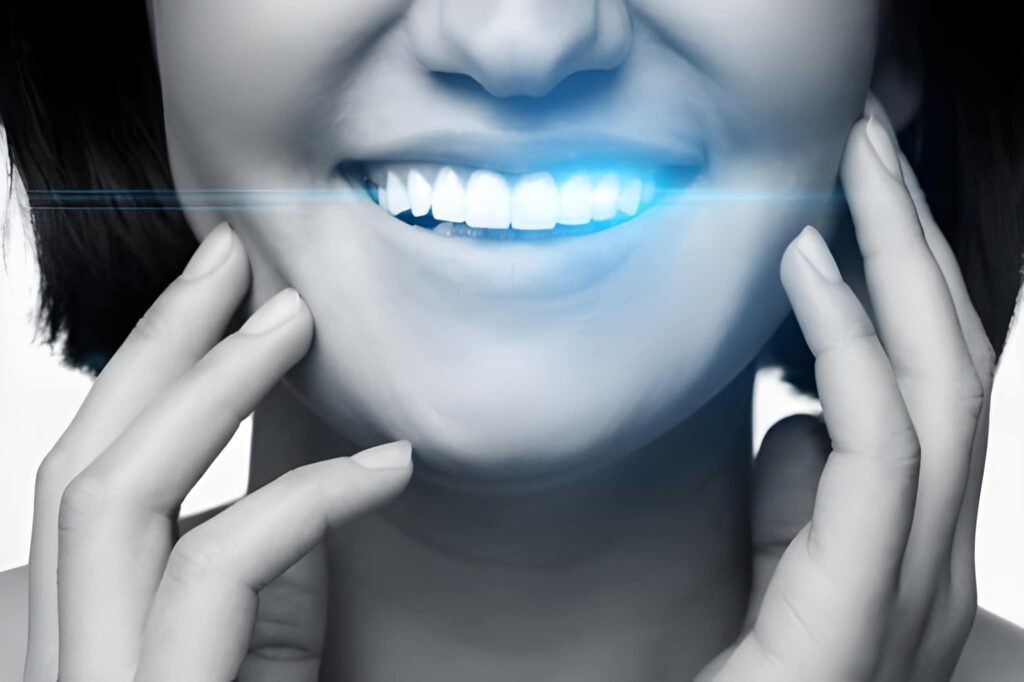
Luminous Smiles: A Clinical Guide to Teeth Whitening During Lactation
Analyzing chemical absorption, milk transfer risks, and oral health priorities for the nursing dyad
The Chemistry of Whitening Agents
Teeth whitening strips, such as Crest White Strips, primary utilize hydrogen peroxide or carbamide peroxide as their active bleaching agents. These compounds work by penetrating the porous structure of the enamel to reach the dentin. Once there, they undergo a chemical reaction known as oxidation. This process breaks the double bonds of chromogens—the pigmented molecules responsible for tooth discoloration.
As a maternal health specialist, I find it vital to understand the immediate fate of these chemicals. Hydrogen peroxide is an unstable molecule. Upon contact with the organic tissues of the mouth and the enzyme catalase found in human saliva, it rapidly dissociates. This dissociation yields only two byproducts: pure water and oxygen. This rapid breakdown occurs almost instantaneously, which significantly limits the duration that active chemicals remain present in the oral cavity.
Oral Mucosa and Systemic Absorption
The oral mucosa is highly vascularized, meaning it can absorb certain substances directly into the bloodstream. However, the molecular behavior of whitening agents prevents significant systemic entry. When you apply a strip to your teeth, the vast majority of the peroxide remains trapped within the gel matrix against the enamel.
Any peroxide that escapes the strip is immediately neutralized by saliva. For a chemical to reach the breast milk, it must first enter the maternal blood, survive hepatic processing, and then cross the blood-milk barrier. Clinical data suggests that the systemic absorption of hydrogen peroxide from dental products is so negligible that it remains undetectable in maternal plasma. Without presence in the plasma, transfer to the milk supply is physiologically impossible.
The Biological Milk Barrier
Breast milk production is a highly selective process. The lactocytes (milk-producing cells) regulate the transfer of molecules based on their size, pH, and lipid solubility. Hydrogen peroxide is a very small, simple molecule that the body produces endogenously as a byproduct of cellular metabolism.
Because the body already possesses robust mechanisms to neutralize hydrogen peroxide within the cells, any minute amount that could theoretically enter the blood would be neutralized long before reaching the breast. Furthermore, the Relative Infant Dose (RID)—a metric used to determine drug safety in breastfeeding—is estimated to be near zero for standard over-the-counter whitening products.
Concentration Analysis Example
Standard Crest White Strip Peroxide Concentration: 6% to 10%
Total Gel Weight per Strip: Approx. 0.2 grams
Active Peroxide per Application: Approx. 0.012 to 0.02 grams
The Result:
Even if a mother were to swallow the entire contents of a strip (which is not recommended), the total amount of peroxide is significantly lower than what is found in many common mouthwashes. The salivary enzymes would neutralize this amount in seconds.
Ingredient Analysis and Safety
Beyond the bleaching agent, whitening strips contain several inactive ingredients to maintain the gel's texture and shelf life. Understanding these components ensures a comprehensive safety review.
| Ingredient | Function | Safety Level (Lactation) |
|---|---|---|
| Glycerin | Humectant; keeps gel moist. | High; food-grade and non-toxic. |
| Carbomer | Thickening agent for the gel. | High; not absorbed systemically. |
| Sodium Hydroxide | pH balancer. | Safe in minute concentrations. |
| Sodium Saccharin | Artificial sweetener for flavor. | Safe; negligible amount used. |
Gum Health and Maternal Sensitivity
While the infant's safety is often the primary concern, the mother's comfort is equally important. Postpartum hormonal shifts can increase the sensitivity of the oral tissues. Many women experience pregnancy gingivitis, and the inflammatory state of the gums can persist into the early months of breastfeeding.
Applying peroxide strips to inflamed or receding gums can cause significant irritation, localized pain, and temporary sensitivity to cold. If your gums are bleeding or tender, I recommend delaying cosmetic whitening until your oral health has stabilized. A mother in pain may find breastfeeding more stressful, which can indirectly impact the nursing experience.
White spots on the gums (chemical blanching), tooth sensitivity, and a burning sensation during application.
Use "sensitive" versions of strips with lower peroxide levels, or reduce application time to half of the recommended duration.
Comparison of Whitening Methods
Not all whitening methods are equal. For the nursing mother, choosing a method with the lowest systemic exposure is the most prudent path.
| Method | Peroxide Strength | Expert Recommendation |
|---|---|---|
| Whitening Toothpaste | < 1% | Best for daily maintenance; very safe. |
| Crest White Strips | 6% - 10% | Excellent balance of safety and efficacy. |
| Custom Dental Trays | 10% - 20% | Requires caution; ensure no gel leaks to gums. |
| In-Office Bleaching | 25% - 40% | Highest risk for maternal sensitivity; wait if possible. |
Common Clinical Questions
No. There is absolutely no clinical evidence that "pumping and dumping" is necessary after using whitening strips. Since the chemical breaks down into water and oxygen within the mouth and does not reach the blood, your milk remains completely unaffected by the procedure.
There is no mechanism by which dental whitening could impact prolactin or oxytocin levels—the hormones responsible for milk production. The only indirect risk is maternal stress if the strips cause significant pain or sensitivity.
While the strips are safe for you to wear, you should avoid close contact with your infant's skin or mouth while the strip is active in your mouth. Peroxide can be an irritant to an infant's much more sensitive skin. Always wash your hands after handling the strips.
Specialist's Final Verdict & Best Practices
In conclusion, Crest White Strips are considered safe to use while breastfeeding. The active ingredients are biologically unstable and dissipate before they can pose any risk to the nursing infant. Teeth whitening remains one of the lowest-risk cosmetic procedures available to lactating individuals.
As a maternal health specialist, I encourage you to prioritize your self-care. If a brighter smile helps you feel more confident during the demanding postpartum phase, you can proceed with confidence. However, to ensure the best experience for both you and your baby, I recommend the following best practices.
- Choose strips with a lower peroxide percentage (6% - 10%).
- Verify your gum health is stable before starting a whitening cycle.
- Rinse your mouth thoroughly with plain water after removing the strips.
- Apply strips after a nursing session to minimize potential infant contact.
- Listen to your body—if sensitivity occurs, take a 48-hour break.