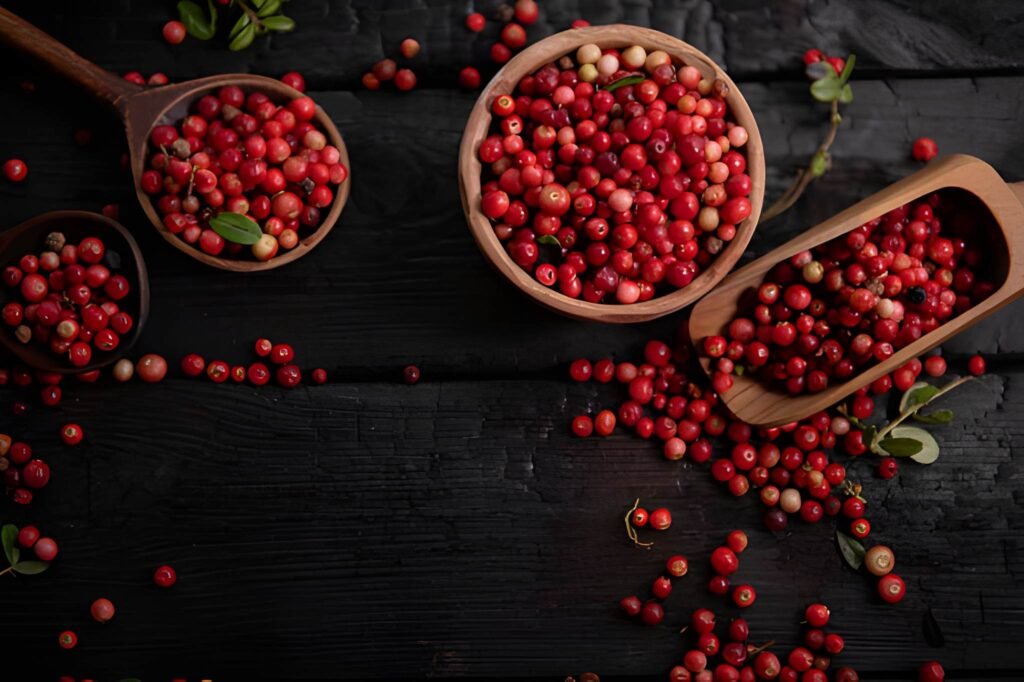
The Ruby Superfood: A Specialist Guide to Cranberries and Breastfeeding
Hydration, Immunity, and Urinary Health in the Postpartum Period
Hydration and Milk Synthesis: The Liquid Foundation
Postpartum physiology places a relentless demand on maternal fluid levels. Breast milk consists of approximately 88 percent water, meaning a nursing mother requires substantial fluid intake to sustain her own health and maintain milk volume. Cranberries, particularly when consumed as unsweetened juice or infused water, offer a functional way to meet these hydration goals. Proper hydration supports the let-down reflex, driven by the hormone oxytocin, ensuring milk flows with ease during feeding sessions.
Many mothers find plain water monotonous after several weeks of intense nursing. Incorporating cranberry-based liquids provides a tart, refreshing alternative that encourages consistent sipping throughout the day. Specialists observe that a well-hydrated mother often experiences higher energy levels and better mental clarity, both of which are essential during the sleep-deprived months of the fourth trimester.
Urinary Tract Protection: Proanthocyanidins Explained
Urinary tract infections (UTIs) occur with increased frequency during the postpartum period. Changes in the urinary tract during pregnancy, coupled with the physical stress of delivery, leave many women vulnerable to bacterial colonization. Cranberries contain a unique group of phytonutrients called A-type proanthocyanidins (PACs). These compounds possess a specific biological action: they prevent bacteria, primarily E. coli, from adhering to the bladder wall.
Instead of the bacteria latching onto the urinary tract lining and causing infection, the PACs ensure these pathogens flush out of the system. For a breastfeeding mother, preventing a UTI means avoiding the need for antibiotics that might disrupt her own gut microbiome or that of her nursing infant. This preventative approach supports long-term pelvic health without pharmaceutical intervention.
| Component | Action in the Body | Benefit for Nursing Mothers |
|---|---|---|
| Proanthocyanidins | Anti-adhesion properties | Reduces the risk of recurring UTIs postpartum. |
| Vitamin C | Immune stimulation | Supports tissue repair after delivery. |
| Manganese | Enzyme activation | Aids in bone health and metabolic function. |
| Quercetin | Anti-inflammatory | Reduces systemic inflammation in the fourth trimester. |
Micronutrient Profile: Vitamin C and Antioxidant Support
Lactation draws heavily on maternal nutrient stores. Cranberries offer a dense concentration of Vitamin C, which is vital for collagen production and the repair of skin and connective tissues damaged during birth. Vitamin C also enhances the absorption of iron from plant-based foods, helping to combat postpartum anemia—a common cause of fatigue in nursing mothers.
Antioxidants like myricetin and peonidin found in these berries neutralize free radicals in the maternal bloodstream. These compounds support the cardiovascular system and help protect cells from oxidative stress. When a mother maintains a diet rich in these ruby-colored fruits, her overall resilience improves, allowing her body to focus on the metabolic work of milk synthesis.
Vitamin C stimulates white blood cell production, shielding the mother from seasonal illnesses that could interrupt nursing routines.
The antioxidants support skin elasticity and healing, addressing postpartum skin changes and stretch marks from the inside out.
Consuming cranberry juice with iron-rich meals ensures maximum uptake of this critical mineral for blood health.
Digestive Wellness: Fiber and Prebiotic Effects
Digestive sluggishness often plagues women in the weeks following delivery. Progesterone levels and physical changes in the abdominal cavity can lead to constipation. Whole cranberries provide significant dietary fiber, which adds bulk to the stool and promotes regular bowel movements. This mechanical benefit is essential for maternal comfort and helps clear toxins from the digestive tract.
Furthermore, early research suggests that cranberry compounds may act as prebiotics. These substances feed the beneficial bacteria in the maternal gut. A healthy maternal microbiome is the first line of defense for the infant, as the mother’s gut health influences the bacterial diversity of her breast milk and the infant’s developing immune system.
Juice provides the proanthocyanidins for urinary health and a dose of Vitamin C, but it lacks the insoluble fiber found in the skin and pulp of the whole fruit. For digestive benefits, whole fresh or frozen cranberries are superior. If drinking juice, choose "100% pure cranberry" rather than "cocktails" to avoid stripping the nutrients and adding excessive sugar.
Comparison: Fresh Cranberries, Juice, and Dried Varieties
A mother can incorporate cranberries into her diet in several ways. Each form offers different nutritional priorities. Understanding these differences allows for strategic dietary planning based on individual needs, such as UTI prevention or calorie management.
Best for: Fiber and Vitamin C. These maintain the lowest sugar content and provide the most complex phytochemical profile. Use in oatmeal or smoothies.
Best for: Rapid hydration and concentrated UTI prevention. It is very tart, often requiring dilution with water or seltzer.
Best for: Quick energy. However, these are often heavily sweetened and contain fewer vitamins than the fresh counterparts.
Impact on the Nursing Infant: Acidity and Flavor Transfer
Breast milk is a dynamic medium that reflects the mother's diet. While cranberries are generally safe, their high acidity can influence the flavor profile of the milk. Most infants tolerate this change without issue, as subtle flavor variations in breast milk actually prepare the infant’s palate for solid foods later in life.
However, some infants with sensitive digestive systems or infant reflux may react to high levels of acidic foods in the mother’s diet. If a mother notices increased spitting up, fussiness, or a sudden diaper rash after consuming large amounts of cranberry juice, it may be a sign of sensitivity to the acidity. Specialists recommend introducing cranberries in moderate amounts and observing the baby’s reaction over a 24-hour period.
In very sensitive infants, acidic components in the mother's diet can slightly alter the pH of the infant's stool. This change can sometimes irritate the baby's skin, leading to a mild rash. This is not common, but if it occurs, reducing the mother's intake usually resolves the problem within a day or two.
The Sugar Trap: Navigating Commercial Cranberry Products
The most significant drawback to cranberries is their natural tartness, which leads manufacturers to add substantial amounts of sugar to commercial juices and dried snacks. High sugar intake can cause blood sugar spikes and subsequent energy crashes, which are particularly hard on a breastfeeding mother’s endocrine system.
Excessive sugar can also contribute to the development of thrush (a yeast infection) on the nipples or in the infant’s mouth. Yeast thrives on sugar. A specialist advises looking for labels that state "No Sugar Added" or "100% Pure Juice." Diluting pure juice with sparkling water provides the benefits of the PACs without the metabolic burden of added sweeteners.
Specialist Summary and Actionable Checklist
In summary, cranberries are an excellent, functional food for breastfeeding mothers. They support hydration, provide essential antioxidants, and offer a natural defense against urinary tract infections. When consumed in their pure, low-sugar forms, they contribute to a robust postpartum recovery and provide a healthy foundation for lactation.
As you navigate your nursing journey in , remember that dietary variety is the key to nutritional balance. By including cranberries alongside other fruits, vegetables, and proteins, you ensure your body has the raw materials needed to thrive. Trust your intuition and observe your son's cues to find the consumption level that works best for your unique nursing pair.
Nursing Mother's Cranberry Checklist
- ✔️ Prioritize 100% pure, unsweetened cranberry juice to avoid the sugar trap.
- ✔️ Use fresh or frozen berries in smoothies for a boost of fiber.
- ✔️ Dilute tart juice with water to reach your daily hydration targets.
- ✔️ Monitor your infant for signs of acidity sensitivity (fussiness or rash).
- ✔️ Combine cranberry intake with iron-rich foods for better absorption.
- ✔️ Avoid dried cranberries with added sulfur or high corn syrup content.