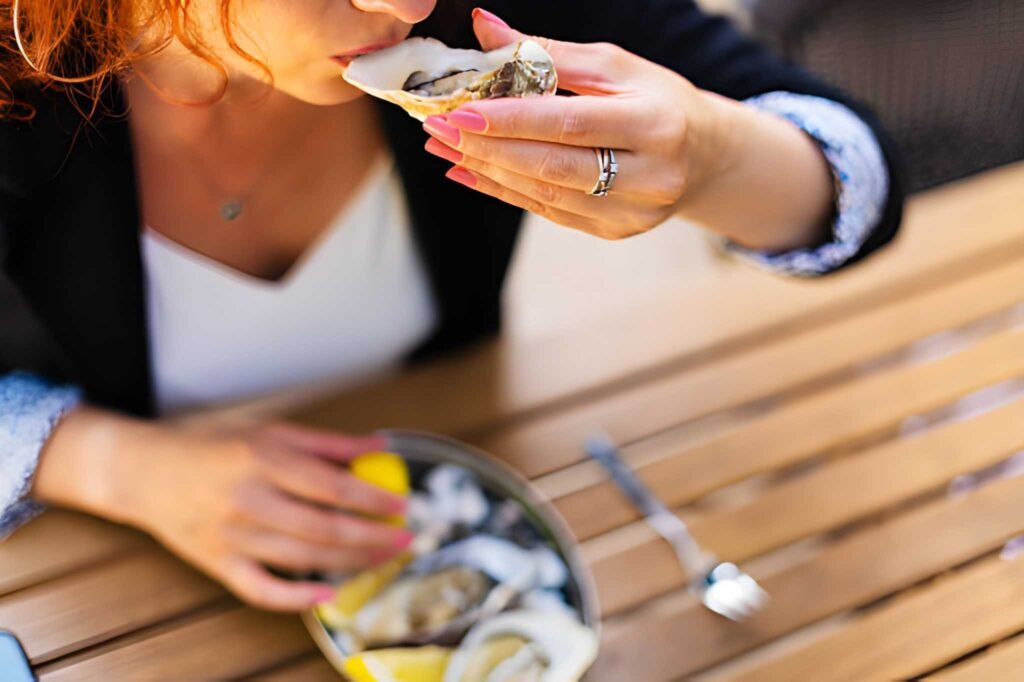
Oceanic Nutrition and Safety: The Guide to Oysters During Lactation
A clinical exploration of foodborne pathogens, milk transfer barriers, and micronutrient resynthesis
The Fundamental Shift: Pregnancy vs. Lactation Safety
The transition from pregnancy to breastfeeding brings about a profound shift in dietary restrictions. During pregnancy, raw seafood is strictly prohibited due to the risk of Listeriosis. Listeria monocytogenes possesses the unique ability to cross the placenta, presenting a direct and often catastrophic threat to the developing fetus.
In the context of breastfeeding, the biological dynamic changes entirely. As a specialist in child and maternal health, I find that many parents remain unnecessarily fearful of raw oysters due to carryover anxiety from their prenatal months. However, the risk profiles for a nursing infant are fundamentally different. While a fetus is directly linked to the maternal bloodstream via the umbilical cord, a nursing infant is protected by the sophisticated filtration system of the mammary glands.
The Blood-Milk Pathogen Barrier
One of the most frequent questions parents ask is whether bacteria or viruses from raw shellfish can enter the breast milk. To answer this, we must examine the physiology of the lactocytes—the cells that produce milk.
Milk production is not a direct "drain" of the mother's stomach contents. Instead, milk is synthesized from components pulled from the maternal blood. For a pathogen like Vibrio vulnificus or Norovirus to reach the infant, it would first have to survive the mother's gastric acid, enter her bloodstream (causing sepsis), and then be actively transported across the blood-milk barrier.
Physiologically, bacteria and viruses do not readily cross into the milk supply. In fact, if a mother contracts a foodborne illness, her body immediately begins producing antibodies to fight that specific pathogen. These antibodies travel through the milk, providing the infant with passive immunity and potentially protecting the baby from the same illness if they were exposed through environmental contact (such as unwashed hands).
Maternal Health Risks: Vibrio and Norovirus
While the infant is largely shielded from the contents of the oysters, the mother remains fully susceptible to the pathogens found in raw shellfish. Oysters are filter feeders, meaning they concentrate microorganisms from their aquatic environment.
A bacterium found in warm seawater. In healthy adults, it causes severe gastrointestinal distress. For those with underlying liver conditions, it can lead to life-threatening infections.
Commonly associated with shellfish harvested from contaminated waters. It causes explosive vomiting and diarrhea, which can lead to rapid dehydration in a nursing parent.
Nutritional Resynthesis: The Power of Shellfish
When oysters are prepared safely—ideally cooked to an internal temperature of 145 degrees Fahrenheit—they are among the most nutrient-dense "superfoods" available for postpartum recovery. They provide high-bioavailability minerals that are often depleted during pregnancy.
| Nutrient | Amount per 100g | Postpartum Benefit | Infant Benefit via Milk |
|---|---|---|---|
| Zinc | Approx. 78 mg | Supports tissue repair and immune function. | Crucial for infant growth and enzyme function. |
| Vitamin B12 | Approx. 18 mcg | Combats postpartum fatigue and supporting nerves. | Vital for infant neurological development. |
| Iron | Approx. 7 mg | Resynthesizes hemoglobin after delivery blood loss. | Maintains infant iron stores. |
| Vitamin D | Approx. 320 IU | Regulates mood and calcium absorption. | Supports skeletal development. |
Mercury and Environmental Contaminants
Mothers are often cautioned about mercury in seafood. Oysters fall into the Best Choices category according to the FDA and EPA. Because they are low on the food chain and have short lifespans, they do not accumulate heavy metals to the same degree as predatory fish like swordfish or king mackerel.
For the breastfeeding mother, consuming 8 to 12 ounces of low-mercury seafood per week is highly recommended. Oysters provide the Omega-3 fatty acids (DHA and EPA) necessary for infant brain development without the neurotoxic risks associated with higher-mercury species.
The Dehydration Link: How Illness Impacts Supply
The real clinical danger of eating raw oysters while breastfeeding is the risk of severe dehydration following food poisoning.
The Lactation Dehydration Equation
Breast milk is approximately 88% water. To maintain a robust supply, the mother's body requires a stable fluid volume.
Gastrointestinal Illness: Causes rapid loss of fluids and electrolytes.Physiological Response: The body prioritizes vital organ function (heart, brain) over non-essential production (milk).
Result: A sudden and significant dip in milk volume.
Pro Tip: If you choose to eat raw oysters and become ill, prioritize electrolyte replacement and continue to nurse or pump frequently to signal the body to maintain production once you recover.
Specialist Q&A: Clinical FAQ
This is an old adage based on the idea that cooler water temperatures prevent bacterial growth. While Vibrio is more prevalent in warmer summer months, modern harvesting and refrigeration standards have made oysters available year-round. However, the risk of Vibrio still remains higher in oysters from warm waters (like the Gulf of Mexico) during the summer.
No. This is a dangerous misconception. Neither lemon juice, vinegar, nor high-heat hot sauce provides enough acidity or heat to neutralize Vibrio or Norovirus. Only thorough cooking—steaming, frying, or baking—eliminates these pathogens.
Your baby cannot catch Norovirus through your breast milk. However, Norovirus is extremely contagious through surface contact and fecal-oral transmission. If you are sick, meticulous hand washing is essential to prevent passing the virus to your baby through physical handling.
Expert Closing Perspective
In summary, raw oysters are generally safe for the breastfeeding infant, as the pathogens they may contain do not transfer through human milk. However, they carry a calculated risk for the mother. If you choose to indulge in raw shellfish, ensure they come from a reputable source with a verified cold chain.
For those seeking the maximum nutritional benefit without the risk of gastrointestinal interruption, I recommend cooked oysters. They provide an unparalleled source of Zinc and Vitamin B12, supporting your energy levels and your child's rapid development. As you navigate the fourth trimester, remember that your health is the foundation of your baby's wellness. Choose foods that nourish you both while minimizing unnecessary medical disruptions.
- Choose "Best Choice" seafood to keep mercury levels low.
- Verify that raw oysters are harvested from certified, clean waters.
- Avoid raw oysters if you have a compromised immune system or liver disease.
- Prioritize cooked oysters (steamed or fried) for 100% safety.
- Stay aggressively hydrated if you experience any digestive changes.
- Wash hands thoroughly before handling your baby or breast pump equipment.