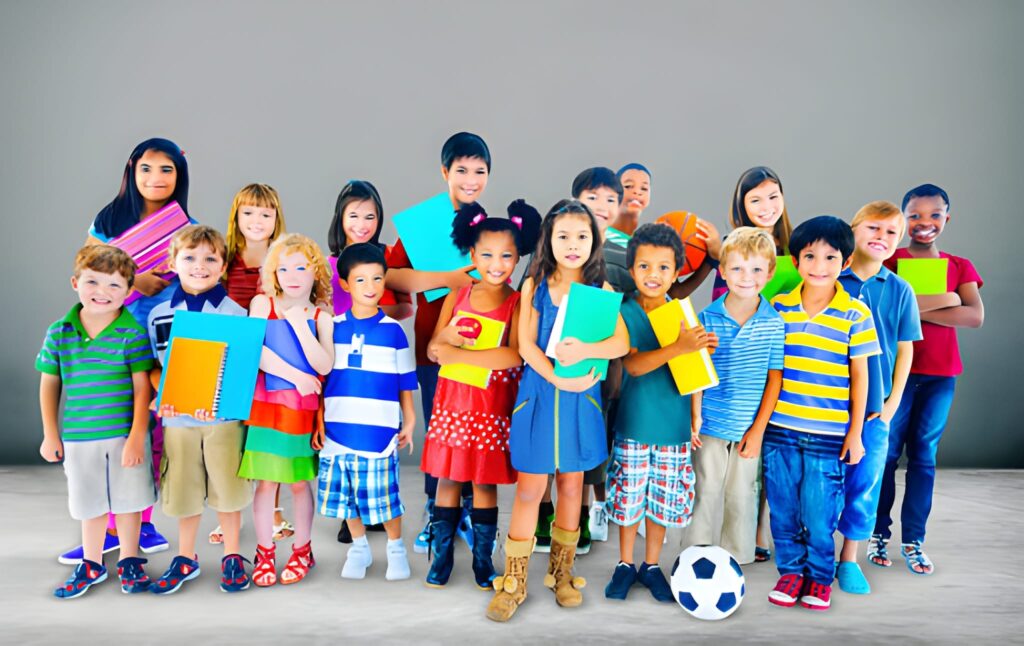
Multicultural education has become a central theme in modern schooling because classrooms in the United States and across the world reflect cultural, linguistic, and social diversity. At the heart of this educational approach lies a central guiding principle: a primary assumption of multicultural education is that diversity strengthens learning and enriches the educational experience. This assumption influences curriculum design, teaching strategies, student engagement, and school policies. It challenges traditional, one-dimensional approaches to education by recognizing that children bring varied perspectives, histories, and cultural values into the classroom. Understanding this assumption requires a detailed exploration of its origins, implications, challenges, and outcomes in practice.
The Foundation of Multicultural Education
Multicultural education emerged in the mid-20th century as civil rights movements highlighted inequalities in schooling. Early research suggested that minority students often faced discrimination in the curriculum, which reflected mostly Eurocentric perspectives. This led to the idea that education should represent multiple cultural voices. The assumption underpinning this movement is that no single cultural perspective can adequately prepare students for participation in a pluralistic society. Instead, diversity should be seen as an asset, not a problem to be solved.
The Primary Assumption Explained
The central assumption of multicultural education is that diversity enriches education by:
- Broadening perspectives – Students learn to analyze issues from multiple cultural viewpoints.
- Enhancing empathy – Exposure to different traditions and experiences fosters compassion.
- Promoting equity – Recognizing diverse voices reduces bias and levels the playing field.
- Building social cohesion – Acknowledging cultural differences strengthens shared democratic values.
This assumption asserts that cultural pluralism is not a barrier but a resource. Classrooms that embrace diversity create stronger academic and social outcomes than those that attempt to ignore or suppress differences.
Goals of Multicultural Education
Scholars like James A. Banks, often considered the father of multicultural education, identified several goals that stem directly from the primary assumption:
- Content integration: Representing diverse cultural contributions in all subjects.
- Knowledge construction: Helping students question biases in traditional narratives.
- Equity pedagogy: Adapting teaching strategies to varied learning styles.
- Prejudice reduction: Encouraging positive interactions among diverse groups.
- Empowering school culture: Developing policies that promote fairness and inclusion.
Multiple Perspectives on the Assumption
Different stakeholders interpret the primary assumption of multicultural education through unique lenses.
Teachers’ Perspective
For educators, diversity means varied teaching opportunities. They can design lessons that integrate cultural traditions, languages, and experiences. Teachers assume that when students see themselves in the curriculum, motivation and engagement increase.
Parents’ Perspective
Parents often seek reassurance that schools respect their children’s backgrounds. Many families value the idea that multicultural education validates home cultures, promoting pride in heritage while preparing children to engage with others.
Policymakers’ Perspective
Government officials and education boards assume that multicultural approaches can reduce achievement gaps, particularly for historically marginalized groups. By valuing diversity, schools may improve graduation rates and civic participation.
Students’ Perspective
Children often respond positively to multicultural learning because it reflects their lived reality. A diverse classroom acknowledges that no single story defines the human experience. Students feel empowered when their identities are celebrated rather than ignored.
Comparison of Traditional vs. Multicultural Assumptions
| Feature | Traditional Education Assumption | Multicultural Education Assumption |
|---|---|---|
| Curriculum | Universal knowledge based on dominant culture | Multiple perspectives integrated across subjects |
| Student Identity | Students must adapt to dominant norms | Students’ cultural backgrounds enrich the classroom |
| Teacher Role | Authority transmitting standardized content | Facilitator encouraging dialogue and inclusivity |
| Goal of Education | Social conformity and unity | Equity, pluralism, and mutual respect |
| Approach to Diversity | Viewed as a challenge or obstacle | Viewed as an asset for deeper learning |
Practical Applications of the Assumption
Curriculum Design
A social studies unit on American history might not only cover founding fathers but also contributions from Native Americans, African Americans, Asian Americans, and Latinos. This reflects the assumption that multiple voices make history more complete.
Classroom Activities
Teachers may use cooperative learning groups where students from different cultural backgrounds collaborate. This aligns with the assumption that learning improves when students draw from diverse experiences.
Assessment Practices
Instead of relying solely on standardized tests, educators might incorporate performance tasks that allow students to express knowledge in culturally relevant ways, such as oral storytelling, bilingual writing, or community-based projects.
Teacher Training
Professional development often emphasizes cultural competency. Educators learn strategies to recognize bias, adapt materials, and affirm students’ identities. This is rooted in the assumption that respecting diversity leads to better outcomes.
Challenges in Applying the Assumption
Although the assumption of diversity as enrichment is powerful, it faces obstacles:
- Resistance from traditionalists: Some critics argue that multicultural education undermines national unity by emphasizing differences.
- Curricular overload: Teachers sometimes feel pressure to “cover everything,” leading to superficial treatment of cultures.
- Bias in materials: Textbooks may still marginalize minority contributions, contradicting multicultural goals.
- Unequal resources: Schools in low-income areas may lack the funding to implement diverse programs effectively.
Evidence Supporting the Assumption
Research demonstrates that multicultural education fosters academic success and social harmony.
- Achievement outcomes: Studies by the National Education Association (NEA) show that culturally relevant teaching reduces dropout rates among minority students.
- Social outcomes: Data from the American Psychological Association indicate that students exposed to multicultural curricula show stronger critical thinking skills and tolerance.
- Long-term effects: Graduates of diverse schools often report greater readiness for global workplaces.
Data Table: Academic Benefits of Multicultural Education
| Outcome | Traditional Curriculum | Multicultural Curriculum |
|---|---|---|
| Student engagement | Moderate | High |
| Critical thinking | Limited to dominant narratives | Broader, inclusive reasoning |
| Dropout rates (minority students) | Higher | Lower |
| Cultural awareness | Minimal | Strong |
| Equity in performance | Persistent gaps | Narrowed gaps |
Broader Social Implications
The primary assumption of multicultural education extends beyond classrooms. It suggests that a pluralistic society thrives when its institutions respect cultural diversity. Schools serve as microcosms of society; by modeling inclusivity, they prepare students to participate in a democratic nation that values multiple identities.
Multicultural Education and Equity
Equity is central to the primary assumption. If diversity is enriching, then schools must ensure all students have equal opportunities to succeed. This requires addressing systemic barriers such as unequal funding, language support, and representation in advanced coursework. Without these steps, the assumption risks becoming aspirational rather than transformative.
Case Study Illustration
Consider two middle schools in the same district.
- School A follows a traditional curriculum emphasizing standardized testing and Eurocentric history. Minority students report feeling alienated, and achievement gaps remain wide.
- School B integrates multicultural approaches. History lessons include immigrant stories, language classes highlight heritage languages, and teachers use culturally relevant pedagogy. Students report greater satisfaction, and performance gaps shrink.
This comparison illustrates how the assumption that diversity enriches education plays out in practice.
Future of Multicultural Education
The United States is projected to become majority-minority by 2045. This demographic reality reinforces the assumption that diversity is not peripheral but central to education. Future classrooms will likely see greater emphasis on:
- Digital resources that incorporate global perspectives.
- Cross-cultural exchanges through technology.
- Teacher preparation programs emphasizing equity and cultural competency.
Conclusion
The primary assumption of multicultural education is that diversity strengthens learning and enriches both academic and social outcomes. This assumption challenges traditional notions of conformity and instead embraces pluralism as a foundation for equity and inclusion. While challenges exist in implementation, evidence strongly supports the idea that diverse perspectives enhance education. By affirming this assumption, schools can prepare students not only for academic success but also for meaningful participation in an interconnected, multicultural world.