Active learning in primary education is an instructional approach that engages students in the learning process through hands-on activities, collaboration, problem-solving, and critical thinking. Unlike traditional teacher-centered methods, active learning emphasizes student participation and experiential learning. In primary classrooms, where curiosity and energy are naturally high, active learning can foster deeper understanding, retention, and lifelong learning habits. This article explores the concept of active learning, its theoretical foundations, practical strategies, benefits, and real-world applications in primary education.
Understanding Active Learning in Primary Education
Active learning is rooted in constructivist theories, which posit that learners construct knowledge through experience, reflection, and social interaction. In primary education, this translates to teaching methods that encourage students to explore, question, experiment, and apply knowledge rather than passively receiving information. Key elements include:
- Student Engagement: Students actively participate rather than listening passively.
- Collaboration: Peer interaction enhances understanding and social skills.
- Critical Thinking: Activities encourage problem-solving and decision-making.
- Reflection: Students evaluate their learning process and outcomes.
Active Learning vs. Traditional Learning
| Aspect | Traditional Learning | Active Learning |
|---|---|---|
| Teacher Role | Lecturer, information provider | Facilitator, guide, mentor |
| Student Role | Passive recipient | Active participant, co-creator of knowledge |
| Learning Approach | Memorization and repetition | Inquiry, exploration, problem-solving |
| Assessment | Standardized tests, recall | Formative assessment, project-based evaluation |
| Engagement | Low, limited interaction | High, collaborative and hands-on |
Active Learning Strategies in Primary Education
- Collaborative Learning
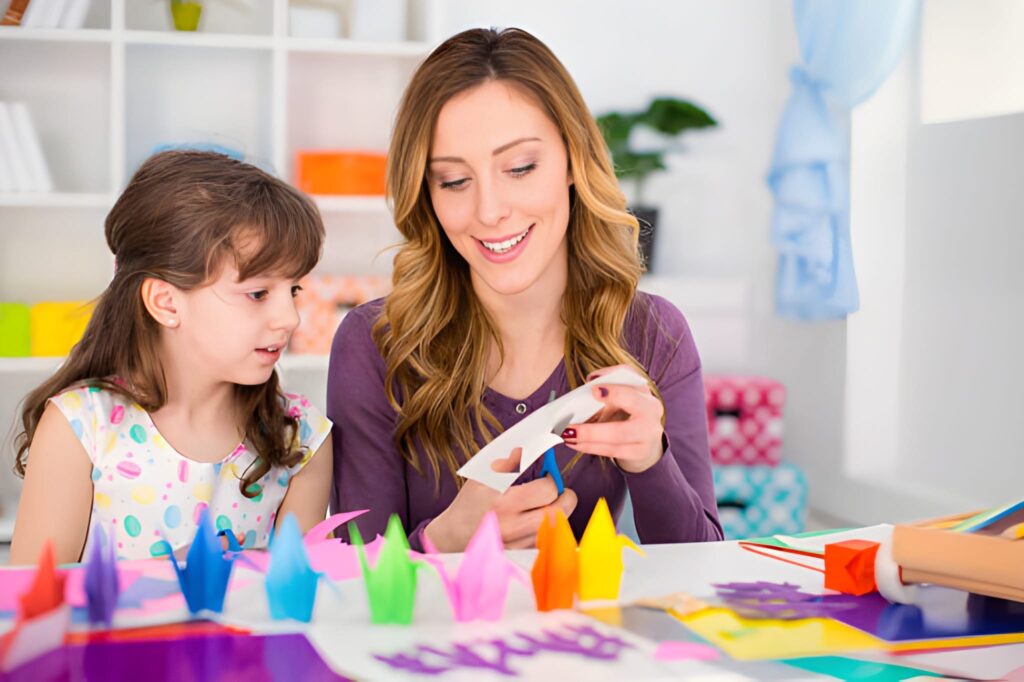
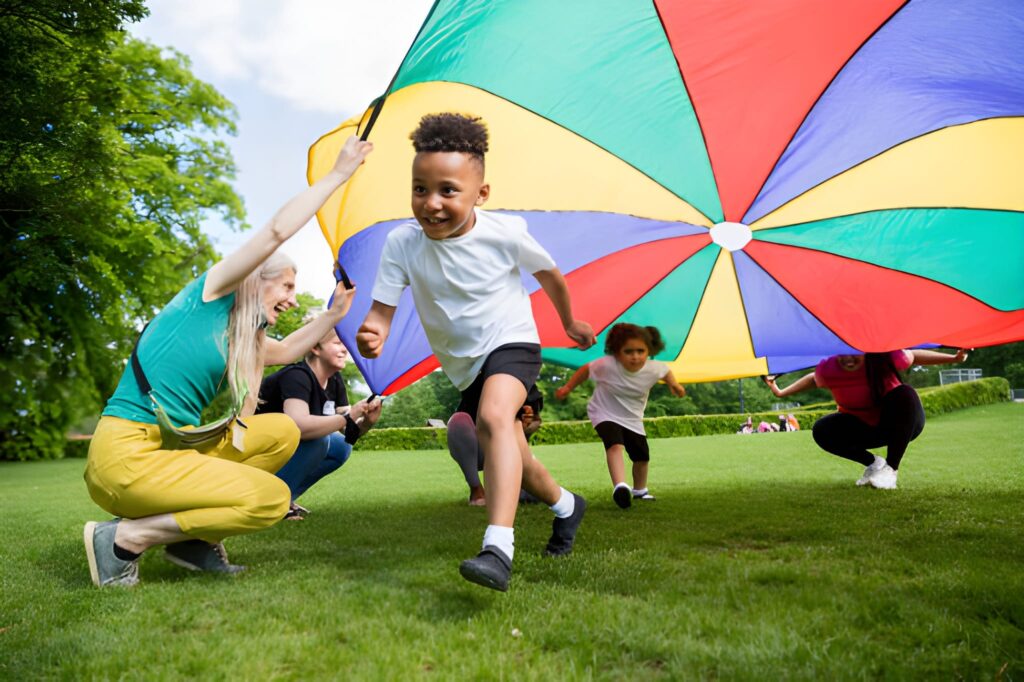
Students work in pairs or small groups to solve problems, complete tasks, or explore concepts. Examples include group math challenges, collaborative storytelling, and peer review of written work. Collaboration promotes communication skills, empathy, and teamwork. - Hands-On Activities and Experiments
Practical activities help students understand abstract concepts by experiencing them. Examples:
- Science experiments demonstrating chemical reactions or plant growth.
- Math manipulatives to explore geometry and fractions.
- Art projects to reinforce historical or cultural studies.
- Problem-Based Learning (PBL)
Students tackle real-world problems requiring investigation, critical thinking, and creative solutions. Example: Planning a sustainable school garden to learn about ecosystems, measurement, and budgeting. PBL enhances problem-solving skills, autonomy, and real-world relevance. - Interactive Technology Integration
Using educational apps, interactive whiteboards, or digital simulations to engage learners. Examples:
- Tablet-based quizzes to reinforce literacy or numeracy skills.
- Virtual field trips to explore history or geography.
- Coding games to develop logical thinking and problem-solving skills.
- Role-Playing and Simulations
Students assume roles to explore scenarios, perspectives, and decision-making processes. Examples:
- Acting out historical events or literature scenes.
- Simulating market transactions to understand basic economics.
- Mock debates to develop public speaking and reasoning skills.
- Think-Pair-Share
Students think individually about a question, discuss ideas with a partner, and share findings with the class. This strategy encourages reflective thinking, verbal articulation, and active participation. - Flipped Classroom Activities
Students explore new concepts at home via videos or readings and engage in interactive exercises in class. This maximizes classroom time for discussion, collaboration, and application.
Benefits of Active Learning in Primary Education
- Improved Retention: Engaging multiple senses and cognitive processes enhances memory.
- Enhanced Critical Thinking: Students analyze, evaluate, and synthesize information actively.
- Increased Motivation: Hands-on, meaningful tasks boost curiosity and intrinsic motivation.
- Development of Social Skills: Collaborative tasks foster communication, empathy, and teamwork.
- Personalized Learning: Teachers can differentiate activities to meet diverse learning needs.
- Better Classroom Behavior: Active participation reduces off-task behavior and increases engagement.
Data Table: Impact of Active Learning Strategies
| Strategy | Cognitive Outcomes | Social/Emotional Outcomes | Engagement Level |
|---|---|---|---|
| Collaborative Learning | Higher problem-solving scores | Improved teamwork and empathy | High |
| Hands-On Experiments | Better conceptual understanding | Increased confidence in abilities | High |
| Problem-Based Learning | Enhanced critical thinking | Greater autonomy and responsibility | Very High |
| Technology Integration | Improved digital literacy | Positive peer interactions | High |
| Role-Playing | Deeper understanding of perspectives | Improved communication skills | High |
Implementation Guidelines for Primary Teachers
- Align Activities with Learning Objectives: Ensure each activity reinforces curriculum goals.
- Incorporate Multiple Learning Styles: Include visual, auditory, kinesthetic, and tactile approaches.
- Foster a Safe Learning Environment: Encourage risk-taking and experimentation without fear of mistakes.
- Monitor and Assess: Use formative assessments, observations, and reflections to evaluate progress.
- Encourage Reflection: Allow students to reflect on learning experiences to consolidate understanding.
- Gradual Integration: Start with small activities and progressively increase complexity as students adapt.
Illustration: Active Learning Cycle in Primary Education
- Engage: Introduce a concept with a question or hands-on activity.
- Explore: Students investigate individually or collaboratively.
- Explain: Students share findings and clarify concepts with teacher guidance.
- Elaborate: Apply knowledge in new contexts or real-life scenarios.
- Evaluate: Reflect and assess understanding through discussion, projects, or formative quizzes.
Challenges of Implementing Active Learning
- Time constraints in covering the curriculum.
- Limited resources for hands-on or technological activities.
- Classroom management issues in large groups.
- Teacher readiness and familiarity with active learning strategies.
Conclusion
Active learning in primary education transforms classrooms into dynamic environments where students actively construct knowledge, develop critical skills, and engage meaningfully with content. Strategies such as collaborative learning, hands-on activities, problem-based learning, and technology integration can significantly enhance cognitive, social, and emotional outcomes. While challenges exist, careful planning, alignment with learning objectives, and gradual implementation can ensure that active learning becomes a sustainable, impactful approach. By fostering curiosity, autonomy, and collaboration, primary educators can create meaningful learning experiences that prepare students for lifelong learning and success.