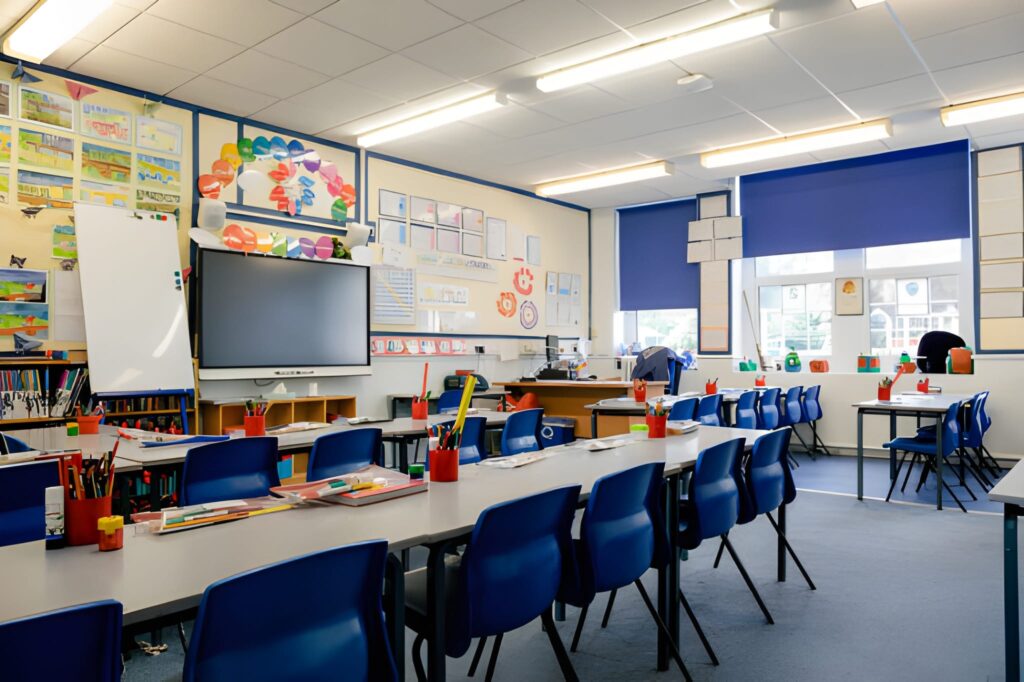
The 2-Year Diploma in Elementary Education (D.El.Ed) is a professional program designed to train aspiring teachers for primary and upper-primary school education. This diploma equips candidates with pedagogical skills, classroom management techniques, and subject knowledge necessary for teaching children aged 6 to 14 years. With the growing emphasis on quality education and government initiatives like the Right to Education (RTE) Act, the demand for trained elementary educators has increased significantly. This article provides a comprehensive guide to the 2-Year D.El.Ed program, its structure, eligibility, career prospects, and significance in shaping quality elementary education.
1. Overview of the 2-Year D.El.Ed Program
The 2-Year Diploma in Elementary Education focuses on both theoretical and practical aspects of teaching. Candidates gain knowledge about child development, instructional strategies, and assessment methods, along with hands-on teaching practice.
Key Objectives:
- Develop understanding of child psychology and learning processes
- Equip teachers with effective classroom management skills
- Train educators in designing and implementing lesson plans
- Foster competency in teaching various subjects including languages, mathematics, environmental studies, and arts
- Encourage the use of innovative teaching-learning resources
2. Eligibility Criteria
| Eligibility Parameter | Description |
|---|---|
| Academic Qualification | 10+2 or equivalent with minimum percentage as per institution requirements |
| Age Limit | Usually 18–35 years, varies by state/institution |
| Entrance Exam | Some states require passing a D.El.Ed entrance test |
| Language Proficiency | Proficiency in the regional language and English is often required |
3. Admission Process
- Application: Candidates apply online/offline to the respective institution or state council.
- Eligibility Verification: Academic certificates, age proof, and domicile are verified.
- Entrance Exam (if applicable): Covers general knowledge, language skills, and teaching aptitude.
- Merit List: Admission is granted based on merit or entrance scores.
- Counseling & Enrollment: Selected candidates complete admission formalities and begin the program.
4. Program Structure and Curriculum
The 2-Year D.El.Ed curriculum combines theoretical coursework with practical teaching experiences.
A. Theoretical Subjects:
- Child Development and Learning
- Educational Psychology
- Pedagogy of Language (English, Hindi/Regional Language)
- Pedagogy of Mathematics
- Pedagogy of Environmental Studies
- Education Technology and ICT in Teaching
- Assessment and Evaluation Techniques
- Inclusive Education and Special Needs
B. Practical Training:
- Micro-teaching sessions
- School internships and teaching practice
- Lesson plan preparation and execution
- Classroom observation and feedback
Table 1: Sample Semester-wise Curriculum
| Year | Semester | Key Subjects & Activities |
|---|---|---|
| 1 | I | Child Development, Pedagogy of Language, Educational Psychology |
| II | Pedagogy of Mathematics, Environmental Studies, Micro-Teaching | |
| 2 | III | Assessment & Evaluation, ICT in Education, Inclusive Education |
| IV | Teaching Practice, Lesson Planning, School Internship |
5. Skills Acquired
| Skill Area | Examples |
|---|---|
| Pedagogical Skills | Lesson planning, interactive teaching, classroom management |
| Communication Skills | Effective verbal and non-verbal communication with children |
| Assessment Skills | Conducting formative and summative assessments |
| Technological Skills | Using educational software, digital teaching aids, and multimedia |
| Social-Emotional Skills | Understanding children’s needs, empathy, and counseling |
6. Career Opportunities After 2-Year D.El.Ed
Completing the diploma opens multiple career paths in elementary education:
| Career Path | Description |
|---|---|
| Primary School Teacher | Teaching grades 1–5 in government or private schools |
| Upper Primary Teacher | Teaching grades 6–8 with specialized subject knowledge |
| Special Educator | Teaching children with learning disabilities or special needs |
| Educational Coordinator | Designing and managing curriculum and school programs |
| Private Tutoring | Providing personalized instruction for students outside school |
7. Advantages of Pursuing 2-Year D.El.Ed
- Short Duration: Completion in two years allows early entry into the teaching profession.
- Government Recognition: Recognized by National Council for Teacher Education (NCTE) in India.
- Practical Training: School internships provide hands-on experience.
- Versatile Opportunities: Opens doors in both government and private elementary schools.
- Foundation for Further Studies: Graduates can pursue B.Ed or specialized teaching courses.
8. Challenges and Considerations
- Competition: Government teaching positions are limited and competitive.
- Salary Variation: Private school salaries can be lower than government schools.
- Continuous Learning: Teachers must stay updated with pedagogical innovations and curriculum changes.
Comparison Chart: D.El.Ed vs B.Ed for Elementary Teaching
| Parameter | D.El.Ed | B.Ed |
|---|---|---|
| Duration | 2 Years | 2 Years (after graduation) |
| Eligibility | 10+2 or equivalent | Graduation in any discipline |
| Focus | Elementary teaching (grades 1–8) | Primary, secondary, or higher secondary teaching |
| Practical Training | Extensive school internships | Moderate, often combined with theory |
| Career Scope | Primary/upper primary teacher, special educator | Teacher at all school levels, subject specialist |
9. Societal Impact of D.El.Ed Teachers
D.El.Ed-trained teachers play a crucial role in:
- Increasing literacy and numeracy among young children
- Promoting inclusive and equitable education
- Supporting the goals of national education policies
- Shaping responsible, confident, and socially aware students
Conclusion
The 2-Year Diploma in Elementary Education provides an essential pathway for individuals seeking to enter the teaching profession at the primary level. By combining theoretical knowledge, practical experience, and pedagogical skills, the program equips teachers to deliver quality education and foster holistic child development. Graduates of the D.El.Ed program contribute to shaping the future of education by nurturing young learners, supporting social development, and promoting inclusive and effective teaching practices.