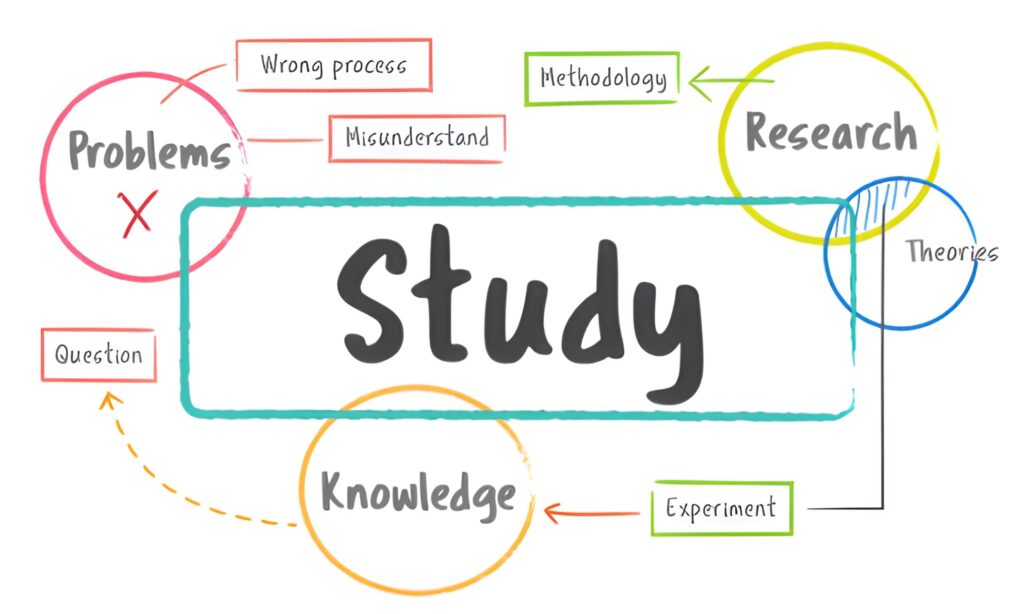
Midterm exams are a crucial assessment point in the academic term, often covering multiple chapters or units. Preparing effectively requires more than last-minute cramming; it involves structured review, active learning, and strategic practice. By understanding your syllabus, identifying key topics, and applying evidence-based study techniques, you can improve retention, reduce stress, and achieve higher scores. This article provides detailed midterm study tips to help students prepare efficiently and confidently.
1. Start Early and Plan Your Study Schedule
Procrastination reduces the time available for effective learning.
- Techniques:
- Create a study calendar counting down to your midterms.
- Allocate specific time blocks for each subject or topic.
- Prioritize difficult or high-weighted topics first.
| Day | Activity | Focus |
|---|---|---|
| Day 1-2 | Review syllabus and class notes | Identify key topics and weak areas |
| Day 3-5 | Concept review | Study chapters systematically |
| Day 6-7 | Practice questions | Apply knowledge to problems |
| Day 8 | Mock test | Simulate exam conditions |
| Day 9 | Review mistakes | Reinforce weak areas |
| Day 10 | Light revision | Summarize key points and rest |
2. Organize and Summarize Notes
Clear and concise notes improve efficiency and comprehension.
- Techniques:
- Condense class notes into summaries, charts, or flashcards.
- Highlight formulas, definitions, and important concepts.
- Use color coding to differentiate topics and subtopics.
3. Focus on Understanding, Not Just Memorization
Midterms often test application and comprehension rather than rote recall.
- Techniques:
- Connect new concepts to what you already know.
- Use examples to understand abstract theories.
- Solve applied problems rather than only reading notes.
4. Practice with Past Papers and Sample Questions
Familiarity with exam format and question types improves confidence and performance.
- Techniques:
- Time yourself to simulate real exam conditions.
- Focus on commonly tested topics.
- Review incorrect answers to identify knowledge gaps.
5. Use Active Learning Techniques
Active engagement with material strengthens memory and understanding.
- Techniques:
- Teach the material to a friend or family member.
- Quiz yourself using flashcards or practice apps.
- Summarize concepts aloud without looking at notes.
6. Apply Spaced Repetition
Spacing study sessions over time enhances long-term retention.
- Techniques:
- Review topics multiple times over several days instead of cramming.
- Use spaced repetition apps or physical flashcards.
- Revisit challenging concepts regularly to reinforce memory.
7. Create Visual Aids
Visual representations simplify complex information and improve recall.
- Techniques:
- Draw diagrams, mind maps, or flowcharts for processes.
- Use tables to compare concepts, formulas, or historical events.
- Annotate charts with key details for quick reference.
8. Manage Your Time Efficiently During Study Sessions
Effective time management prevents burnout and ensures coverage of all topics.
- Techniques:
- Use the Pomodoro technique: 25–30 minutes study, 5-minute break.
- Set specific goals for each session.
- Avoid multitasking to maintain focus.
9. Take Care of Your Physical and Mental Health
Good health enhances concentration, memory, and overall performance.
- Tips:
- Maintain a consistent sleep schedule, especially before exams.
- Eat nutritious meals and stay hydrated.
- Incorporate light exercise or relaxation techniques to reduce stress.
10. Use Mnemonics and Memory Aids
Mnemonics help recall lists, formulas, and sequences.
- Examples:
- Use acronyms like “HOMES” for the Great Lakes (Huron, Ontario, Michigan, Erie, Superior).
- Create rhymes or short stories to remember sequences of steps or processes.
11. Study in a Conducive Environment
A distraction-free space enhances concentration and efficiency.
- Tips:
- Choose a quiet, well-lit location.
- Keep study materials organized and within reach.
- Use noise-canceling headphones or background instrumental music if helpful.
12. Prioritize High-Impact Topics
Focus on areas that carry more weight or are frequently tested.
- Techniques:
- Review past exams to identify recurring question types.
- Prioritize chapters or units emphasized by instructors.
- Allocate extra time for complex or difficult subjects.
13. Review and Reflect Regularly
| Review Interval | Activity | Purpose |
|---|---|---|
| Daily | Quick topic summaries | Reinforce retention |
| Weekly | Practice questions | Strengthen application skills |
| Pre-Exam | Full review | Consolidate key concepts and reduce anxiety |
14. Avoid Last-Minute Cramming
Cramming can increase stress and reduce comprehension.
- Techniques:
- Focus on light review and reinforcement the day before the exam.
- Sleep adequately to consolidate memory.
- Avoid new topics at the last moment; reinforce known material instead.
15. Stay Positive and Confident
Mindset affects performance and stress levels.
- Techniques:
- Visualize success and focus on preparation rather than fear.
- Use positive self-talk to reduce anxiety.
- Break tasks into small, manageable goals to maintain motivation.
Conclusion
Effective midterm preparation combines strategic planning, active learning, consistent practice, and self-care. By starting early, organizing notes, focusing on comprehension, practicing past papers, using spaced repetition, and maintaining a positive mindset, students can maximize retention, improve understanding, and excel in midterm exams. A structured and evidence-based approach ensures that study time is efficient, productive, and stress-free.