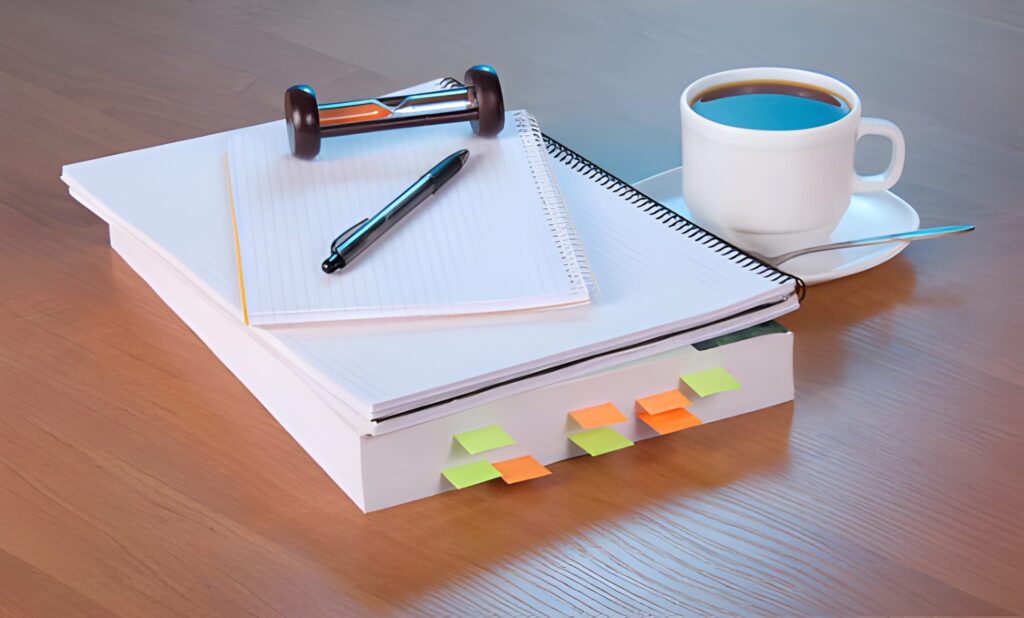
Procrastination is a common challenge among students of all ages. Putting off study tasks can lead to stress, poor performance, and last-minute cramming. Overcoming procrastination requires understanding its causes, managing time effectively, and using strategies that motivate action. This article provides practical study tips for procrastinators, offering techniques to increase focus, reduce delay, and make studying more manageable and rewarding.
Understand Why You Procrastinate
Identifying the root cause of procrastination is the first step. Common reasons include fear of failure, perfectionism, lack of motivation, or feeling overwhelmed by the volume of material. Once the cause is recognized, you can adopt strategies that directly address it, such as breaking tasks into smaller steps, setting achievable goals, or changing your mindset about mistakes and learning.
Break Tasks into Small, Manageable Steps
Large assignments or study sessions can feel overwhelming, leading to delay. Divide work into smaller tasks with clear, achievable goals. For example, instead of “Study for biology exam,” set specific tasks like “Review cell structure diagrams” or “Complete five practice questions on photosynthesis.” Completing small steps creates momentum and reduces stress.
Use a Study Schedule
A structured schedule helps procrastinators stay accountable. Allocate specific times for each task, and include short breaks to prevent burnout. The Pomodoro technique—studying for 25–50 minutes followed by a 5–10 minute break—is particularly effective for maintaining focus. Visual schedules or planners help track progress and provide a sense of accomplishment.
Set Clear Goals and Deadlines
Goal-setting creates purpose and urgency. Define what you want to achieve in each study session and set realistic deadlines. For example, “Learn 20 new vocabulary words by 4 PM” is more actionable than a vague objective like “Study vocabulary.” Reward yourself after meeting goals to reinforce positive behavior.
Eliminate Distractions
Procrastination is often fueled by distractions such as social media, notifications, or multitasking. Create a distraction-free study environment by turning off your phone or using apps that block distracting websites. Organize your study space to keep only essential materials within reach, and communicate your study hours to family or roommates.
Prioritize Tasks Using the Eisenhower Matrix
Prioritization helps focus on tasks that matter most. Use the Eisenhower Matrix to categorize tasks:
- Urgent and Important: Do immediately
- Important but Not Urgent: Schedule for later
- Urgent but Not Important: Delegate if possible
- Neither Urgent nor Important: Minimize or eliminate
This method prevents procrastinators from wasting time on low-priority activities.
Incorporate Active Learning Techniques
Active engagement reduces boredom and increases motivation. Techniques include:
- Self-quizzing or flashcards
- Teaching the material to someone else
- Creating concept maps or diagrams
- Solving practice problems instead of passive reading
Active learning makes study sessions more dynamic and reduces the temptation to procrastinate.
Use Accountability and Support Systems
Sharing goals with friends, family, or study groups provides external motivation. Set up regular check-ins or study sessions with peers to maintain accountability. Even virtual accountability partners can encourage consistent effort and reduce delay.
Reward Yourself and Track Progress
Positive reinforcement motivates continued action. Reward yourself after completing tasks with small treats, breaks, or enjoyable activities. Track progress visually with checklists, charts, or apps to see how much you’ve accomplished, which reinforces commitment and reduces procrastination tendencies.
Table: Strategies to Overcome Procrastination
| Strategy | Description | Example |
|---|---|---|
| Task Chunking | Break large tasks into smaller, manageable parts | Study one chapter section at a time |
| Time Management | Use schedules, timers, and the Pomodoro technique | 25-min study + 5-min break sessions |
| Distraction Control | Limit phone, social media, and clutter | Use website blockers or study in a quiet room |
| Prioritization | Focus on urgent and important tasks first | Apply Eisenhower Matrix |
| Active Learning | Engage with material instead of passive reading | Make flashcards, quizzes, or diagrams |
| Accountability | Share goals and progress with peers or mentors | Study with a partner or report progress daily |
| Rewards and Tracking | Reinforce progress with incentives | Treat yourself after finishing tasks |
Comparison: Passive vs. Active Strategies for Procrastinators
| Strategy Type | Advantages | Disadvantages |
|---|---|---|
| Passive (reading/notes) | Easy to start, low effort | Low retention, encourages delay |
| Active (quizzing/teaching) | High engagement, better memory retention | Requires more energy and planning |
| Structured Schedule | Reduces uncertainty, builds habit | Needs consistency, may feel rigid |
| Distraction Control | Enhances focus | Can be hard to maintain consistently |
| Rewards & Tracking | Motivates action, reinforces behavior | Risk of over-rewarding if not balanced |
Conclusion
Procrastination is a common challenge, but it can be overcome with deliberate strategies. By understanding your tendencies, breaking tasks into manageable steps, creating structured schedules, eliminating distractions, and actively engaging with material, you can reduce delay and improve study efficiency. Incorporating accountability, rewards, and tracking systems further strengthens motivation, allowing students to develop productive habits and achieve academic success.