Early childhood is a critical period for cognitive, social, emotional, and physical development. The experiences children have during these formative years profoundly shape their learning trajectory and overall well-being. In early childhood education, the curriculum is often organized around six key learning areas that provide a structured yet flexible framework for holistic development. These areas guide educators in designing experiences that nurture children’s skills, interests, and creativity while fostering a lifelong love of learning. Understanding these six learning areas is vital for parents, educators, and caregivers seeking to provide well-rounded support for children aged 0–8 years.
Learning Area 1: Communication and Language Development
Language and communication skills are the foundation for learning and social interaction. This area focuses on the development of verbal and non-verbal communication, listening skills, and the ability to express thoughts, ideas, and emotions effectively.
- Key Components:
- Oral language: vocabulary expansion, sentence formation, and storytelling.
- Listening skills: understanding instructions, responding appropriately, and active listening.
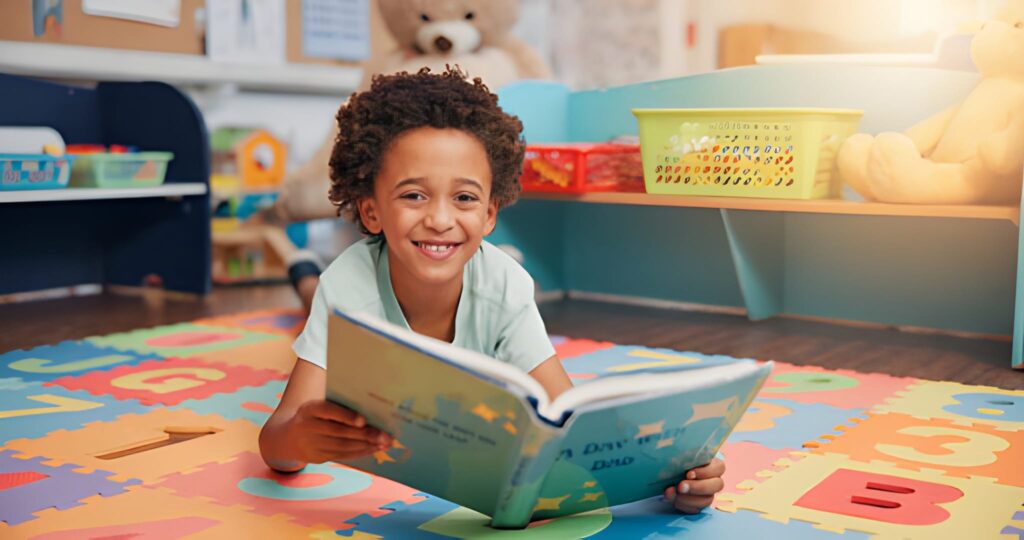
- Early literacy: exposure to books, print awareness, and phonological understanding.
- Example in Practice: Educators may implement “storytelling circles” where children narrate personal experiences or retell a story, encouraging both expressive and receptive language development.
- Data Insight: Research indicates that early language skills are strong predictors of later reading and academic success, highlighting the importance of intentional language-rich experiences in early childhood.
Learning Area 2: Social and Emotional Development
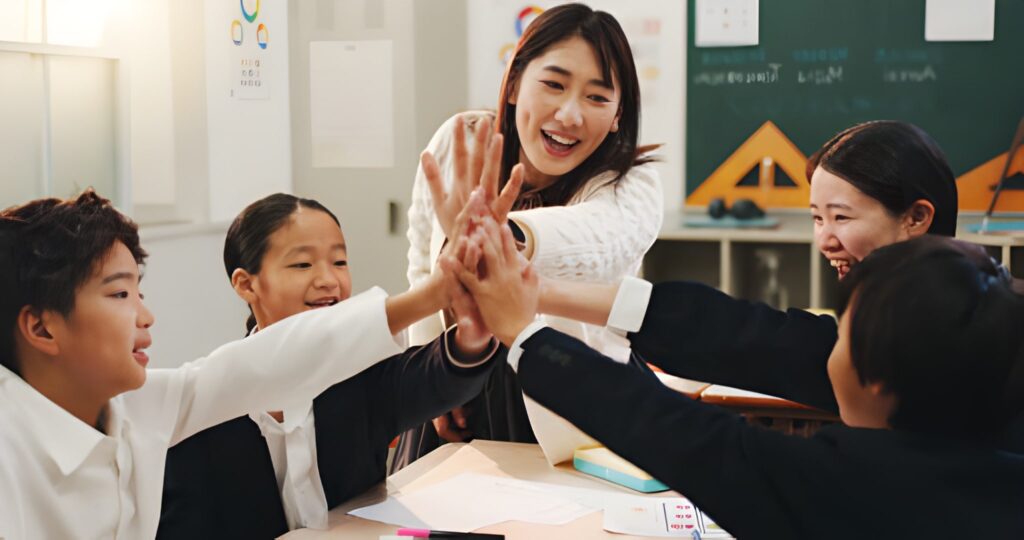
This area focuses on children’s ability to form relationships, understand emotions, and develop self-regulation skills. Social and emotional competencies are critical for learning, peer interaction, and overall mental health.
- Key Components:
- Self-awareness: recognizing one’s emotions and understanding personal strengths.
- Social skills: sharing, cooperation, and conflict resolution.
- Emotional regulation: managing frustration, anxiety, or excitement in various contexts.
- Example in Practice: Role-play activities allow children to practice empathy, take on different perspectives, and develop problem-solving strategies in social situations.
- Comparison Table:
| Skill Area | Early Indicators | Later Outcomes |
|---|---|---|
| Self-awareness | Identifies emotions verbally | Resilient coping strategies |
| Social interaction | Shares toys, communicates needs | Collaboration, teamwork |
| Emotional regulation | Responds to frustration appropriately | Conflict resolution, self-control |
Learning Area 3: Cognitive and Problem-Solving Skills
Cognitive development encompasses critical thinking, memory, attention, and problem-solving. Early experiences that stimulate curiosity and exploration build the neural networks essential for later academic and life success.
- Key Components:
- Logical thinking and reasoning.
- Memory development through recall and sequencing tasks.
- Creative problem-solving and experimentation.
- Example in Practice: Puzzle activities, simple science experiments, and building blocks encourage children to hypothesize, test, and evaluate solutions.
- Illustration: Using a water table, children explore concepts like volume, measurement, and cause-and-effect relationships, integrating science, mathematics, and cognitive skills.
Learning Area 4: Physical Development and Health
Physical development covers both fine and gross motor skills, as well as knowledge of health, nutrition, and safety. Active engagement in movement supports brain development, coordination, and overall well-being.
- Key Components:
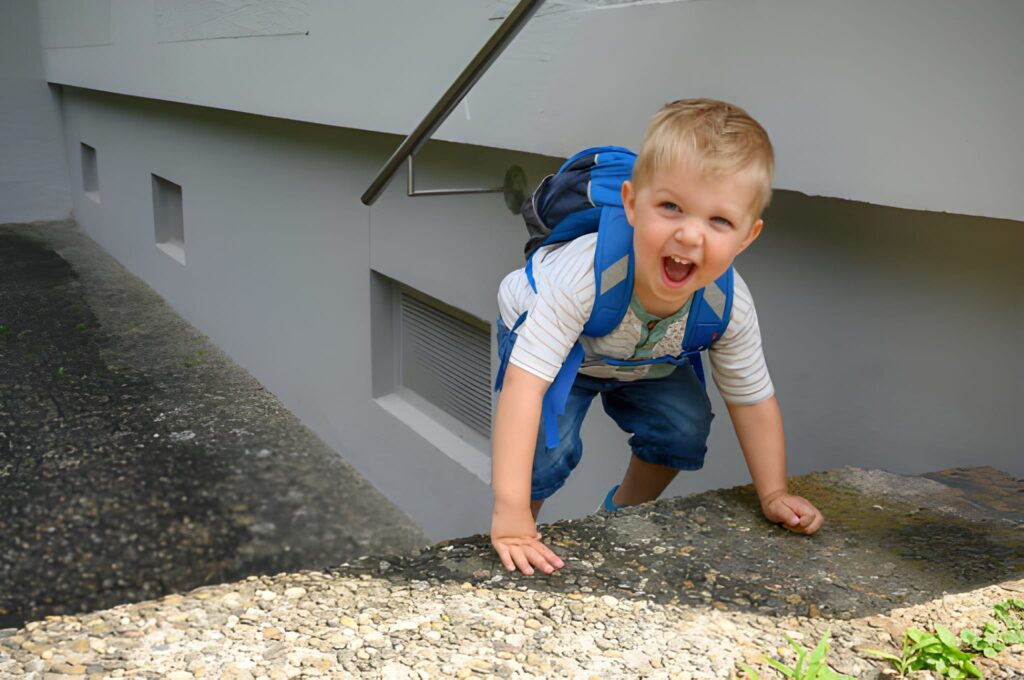
- Gross motor skills: running, jumping, climbing, balancing.
- Fine motor skills: drawing, cutting, manipulating small objects.
- Health awareness: hygiene, nutrition, exercise, and safety.
- Example in Practice: Outdoor obstacle courses or indoor fine motor stations help children develop coordination, strength, and dexterity.
- Data Table: Physical Development Milestones
| Age Range | Gross Motor Skills | Fine Motor Skills |
|---|---|---|
| 0–12 months | Rolling, crawling, standing | Grasping objects, hand-to-mouth |
| 1–2 years | Walking, climbing, throwing | Scribbling, stacking blocks |
| 3–4 years | Running, hopping, pedaling tricycle | Cutting, drawing simple shapes |
| 5–6 years | Skipping, catching, balancing on beam | Writing letters, using scissors |
Learning Area 5: Creative Arts and Expression
Creativity nurtures imagination, self-expression, and problem-solving. Exposure to arts encourages children to explore ideas, communicate feelings, and develop aesthetic appreciation.
- Key Components:
- Visual arts: drawing, painting, sculpture, and design.
- Music and movement: singing, dancing, rhythm activities.
- Dramatic play: role-playing, storytelling, and improvisation.
- Example in Practice: Children may create a collaborative mural that reflects their understanding of the natural world, integrating visual arts, storytelling, and teamwork.
- Comparison Chart:
| Art Form | Skills Developed | Example Activity |
|---|---|---|
| Visual Arts | Fine motor, color recognition | Painting with brushes or fingers |
| Music | Listening, rhythm, memory | Clapping to beat, singing simple songs |
| Dramatic Play | Creativity, empathy, expression | Role-playing a family or community |
Learning Area 6: Understanding the World
This area focuses on children’s exploration of their environment, communities, and cultural contexts. It encourages curiosity, inquiry, and awareness of how the world works.
- Key Components:
- Knowledge of natural and built environments.
- Understanding cultural, historical, and social contexts.
- Awareness of technology and media in daily life.
- Example in Practice: Field trips to local farms or museums allow children to observe, ask questions, and connect classroom learning to real-world experiences.
- Illustration: A classroom science corner with plants, insects, and simple experiments enables hands-on learning about biology, ecology, and cause-and-effect relationships.
Integration of the Six Learning Areas
Effective early childhood programs integrate all six learning areas into daily routines, ensuring that learning is interconnected and holistic. For example, a gardening project can:
- Foster communication through discussions about plant growth.
- Develop social skills through cooperative planting.
- Stimulate cognitive problem-solving by predicting outcomes.
- Enhance physical development through digging and watering.
- Encourage creativity in designing garden layouts.
- Teach understanding of the world through observing ecosystems and seasons.
Comparison Table: Learning Area Focus Across Age Groups
| Age Group | Focus on Learning Areas |
|---|---|
| 0–12 months | Physical development, sensory exploration, basic communication |
| 1–2 years | Social interactions, language expansion, motor skills |
| 3–4 years | Cognitive problem-solving, early literacy, creativity |
| 5–6 years | Integrative learning, structured play, cultural awareness |
| 6–8 years | Advanced cognitive skills, emotional regulation, collaborative projects |
Conclusion
The six learning areas in early childhood provide a comprehensive framework for nurturing children’s development. By addressing communication and language, social-emotional skills, cognitive and problem-solving abilities, physical growth, creativity, and understanding of the world, educators and caregivers can create holistic learning environments that support each child’s potential. Implementing these learning areas in an integrated, engaging, and inclusive manner prepares children for success in school and fosters lifelong learning habits.