The early years of a child’s life lay the foundation for lifelong learning, social skills, and emotional well-being. Early childhood education frameworks, such as the Early Years Foundation Stage (EYFS) in the UK and similar international models, organize learning around seven key areas. These areas encompass the cognitive, physical, social, emotional, and creative dimensions of development. Understanding these seven areas helps educators, parents, and caregivers create supportive environments that nurture every aspect of a child’s growth, ensuring they acquire the skills and confidence needed to thrive in school and life.
1. Communication and Language
This area focuses on developing children’s listening, speaking, understanding, and early literacy skills. Strong communication abilities form the foundation for learning, social interaction, and self-expression.
- Key Components:
- Listening and attention: Following instructions and concentrating on tasks.
- Understanding: Comprehending stories, explanations, and questions.
- Speaking: Expressing ideas clearly, narrating events, and engaging in conversations.
- Example in Practice: Story circles encourage children to retell a story in their own words, ask questions, and participate in discussions, enhancing both receptive and expressive language skills.
- Table: Communication Milestones
| Age Range | Listening & Attention | Understanding | Speaking |
|---|---|---|---|
| 0–12 mo | Responds to sounds | Recognizes familiar voices | Babbling, first words |
| 1–2 yrs | Follows simple instructions | Identifies objects | 2–4 word phrases |
| 3–4 yrs | Sustained attention on stories | Understands concepts | Full sentences, asks questions |
| 5–6 yrs | Participates in discussions | Understands explanations | Narrates and describes events |
2. Personal, Social, and Emotional Development (PSED)
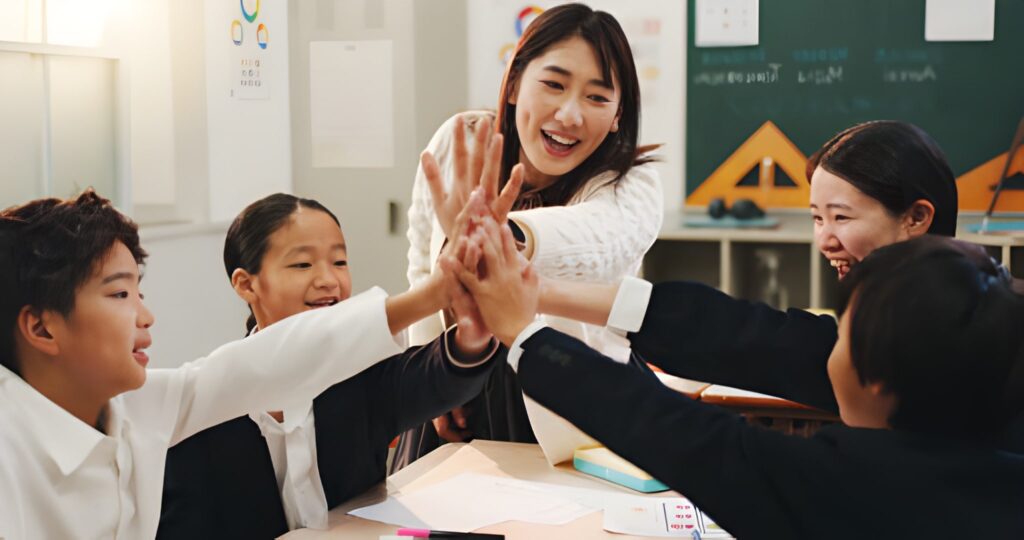
PSED emphasizes self-awareness, social skills, and emotional regulation. Children learn to understand themselves, form positive relationships, and navigate social situations effectively.
- Key Components:
- Self-confidence and self-awareness.
- Managing feelings and behavior.
- Building relationships and social competence.
- Example in Practice: Collaborative group activities, like building a structure with blocks, encourage teamwork, negotiation, and patience.
- Comparison Chart: Social Skills Progression
| Skill | Early Stage | Later Stage |
|---|---|---|
| Sharing | Needs prompting | Initiates sharing independently |
| Conflict resolution | Seeks adult intervention | Resolves minor conflicts |
| Emotional expression | Expresses basic feelings | Uses words to explain emotions |
3. Physical Development
Physical development includes both fine and gross motor skills and promotes health and well-being. It supports coordination, control, and confidence in movement.
- Key Components:
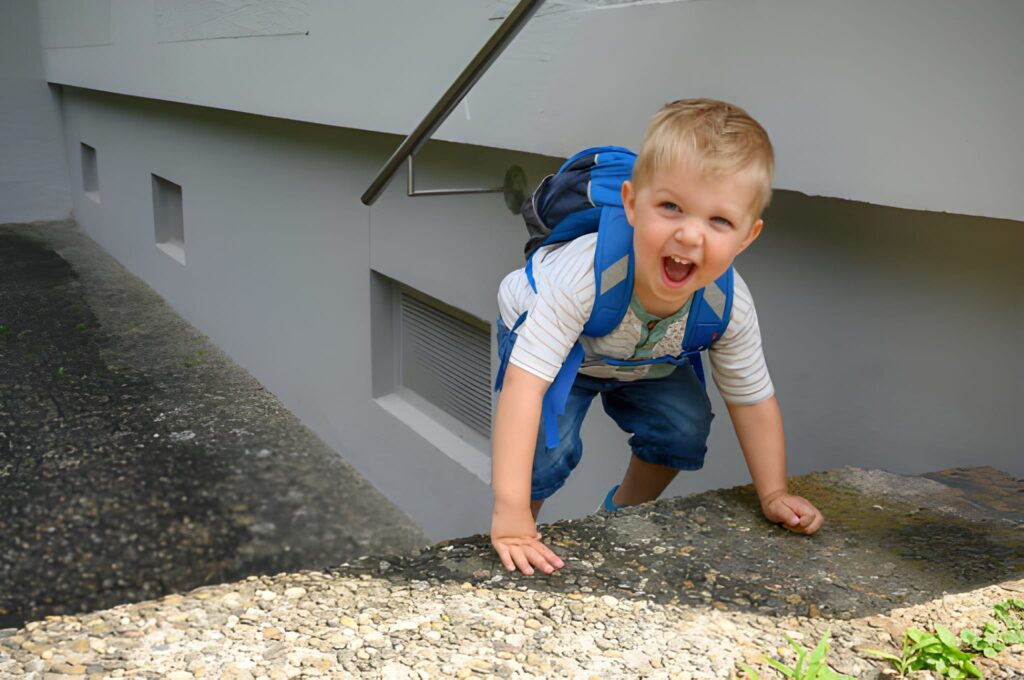
- Gross motor skills: Running, jumping, climbing.
- Fine motor skills: Drawing, writing, manipulating objects.
- Health and self-care: Hygiene, nutrition, safety awareness.
- Example in Practice: Outdoor play with climbing frames, ball games, and obstacle courses develops coordination and balance, while indoor activities like threading beads support fine motor control.
- Table: Physical Development Milestones
| Age Range | Gross Motor Skills | Fine Motor Skills |
|---|---|---|
| 0–12 mo | Rolling, crawling, pulling up | Grasping, hand-to-mouth |
| 1–2 yrs | Walking, running, climbing | Scribbling, stacking blocks |
| 3–4 yrs | Hopping, catching, pedaling | Cutting shapes, drawing |
| 5–6 yrs | Skipping, balancing, coordinated sports | Writing letters, using scissors |
4. Literacy
Literacy in early years encompasses reading, writing, and comprehension. Children develop skills to recognize letters, understand stories, and express ideas through text.
- Key Components:
- Reading: Recognizing letters, understanding print, and storytelling.
- Writing: Mark-making, letter formation, and creative writing.
- Comprehension: Understanding meaning, sequencing events, and making predictions.
- Example in Practice: Phonics-based activities, storytelling sessions, and writing practice with name labels help children link sounds with symbols and communicate ideas effectively.
5. Mathematics
Mathematical development focuses on numeracy, problem-solving, and logical thinking. Early math experiences help children understand patterns, relationships, and concepts of quantity.
- Key Components:
- Numbers and counting.
- Shape, space, and measures.
- Patterns, sequences, and problem-solving.
- Example in Practice: Using building blocks to create structures teaches counting, shape recognition, and spatial awareness. Activities like sorting objects by size or color reinforce pattern recognition and classification skills.
- Illustration: A simple table showing children’s numeracy progress:
| Age Range | Number Skills | Shape & Space | Problem-Solving |
|---|---|---|---|
| 1–2 yrs | Recognizes 1–5 objects | Basic shapes | Simple cause-and-effect tasks |
| 2–3 yrs | Counts 1–10 | Arranges objects spatially | Solves simple puzzles |
| 3–4 yrs | Adds/subtracts small quantities | Recognizes 2D/3D shapes | Matches patterns |
| 5–6 yrs | Counts beyond 20 | Understands measurement | Applies logic to problems |
6. Understanding the World
This area encourages exploration, curiosity, and awareness of the natural and social environment. Children develop knowledge about people, communities, and the physical world.
- Key Components:
- People and communities: Understanding roles, cultures, and relationships.
- The natural world: Observing plants, animals, and the environment.
- Technology: Using tools and exploring digital resources responsibly.
- Example in Practice: Gardening projects, nature walks, or visits to museums help children observe cause-and-effect, understand ecological cycles, and develop cultural awareness.
7. Expressive Arts and Design
Creativity and artistic expression foster imagination, problem-solving, and emotional expression. This area covers visual arts, music, dance, and imaginative play.
- Key Components:
- Exploring materials: Painting, clay modeling, and construction.
- Music and movement: Singing, dancing, rhythm activities.
- Imaginative play: Storytelling, role-playing, and dramatization.
- Example in Practice: A classroom “pretend town” allows children to take on roles, negotiate scenarios, and creatively express ideas through dramatization and storytelling.
- Comparison Table: Creative Skills by Activity
| Activity | Skills Developed | Example Outcome |
|---|---|---|
| Painting & Drawing | Fine motor, color recognition | Expresses emotions visually |
| Music & Movement | Rhythm, listening, coordination | Sings songs, claps to beats |
| Dramatic Play | Imagination, empathy, social skills | Negotiates roles in group play |
Integration of the Seven Learning Areas
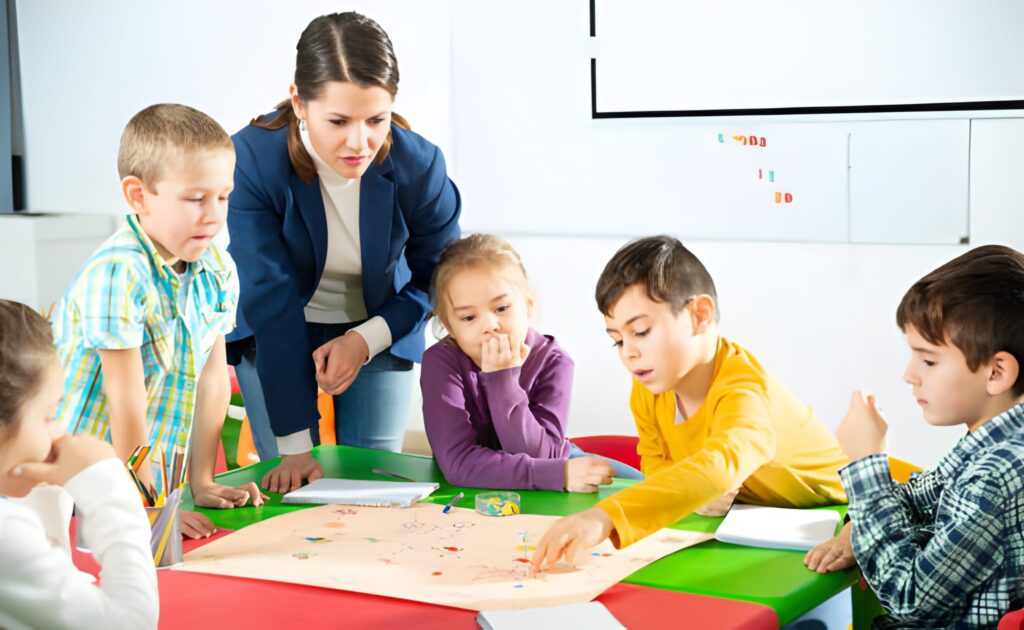
These seven areas are interconnected, and effective early childhood programs integrate them into daily activities. For instance, a classroom project on planting a vegetable garden can:
- Promote communication through discussions about plant growth.
- Support personal, social, and emotional development via teamwork.
- Enhance physical development through digging and watering.
- Foster literacy by labeling plants and writing observations.
- Encourage mathematics with counting seeds and measuring soil.
- Build understanding of the world by learning about ecosystems and seasons.
- Stimulate expressive arts through drawing plant growth or role-playing gardeners.
Conclusion
The seven areas of learning in early years provide a comprehensive framework to support children’s holistic development. By nurturing communication, social-emotional skills, physical abilities, literacy, numeracy, understanding of the world, and creativity, educators and caregivers create environments that foster curiosity, confidence, and lifelong learning. Implementing these areas in a balanced, integrated manner prepares children for academic success, emotional resilience, and social competence.