Early childhood, typically defined as birth through eight years, is a critical period for cognitive, emotional, social, and physical development. Learning in these formative years is multifaceted, encompassing exploration, play, observation, and structured activities. A careful analysis of early childhood learning reveals patterns, strategies, and examples that illustrate how children acquire knowledge, skills, and social competence. By understanding these patterns, parents, educators, and caregivers can optimize learning environments to foster holistic growth.
Play-Based Learning
Learning in early childhood occurs primarily through play and interaction. Play-based learning allows children to explore their environment, experiment with materials, and develop problem-solving skills. For instance, a toddler stacking blocks learns about spatial relationships, gravity, and balance. Similarly, engaging in role-play with dolls or kitchen sets encourages imagination, social understanding, and language development. These activities demonstrate how experiential learning is central to early childhood education, providing tangible examples of abstract concepts in action.
Cognitive Development
Cognitive development in early childhood is marked by rapid brain growth and the emergence of critical thinking skills. According to Piaget’s stages of cognitive development, children in the preoperational stage (ages 2–7) begin to use symbolic thinking, engage in pretend play, and develop memory and imagination. A practical example is a preschooler using toy animals to create a narrative about a farm, integrating storytelling, sequencing, and knowledge of animal behavior. Such activities not only enhance cognitive abilities but also foster language skills and creative thinking.
Social-Emotional Learning
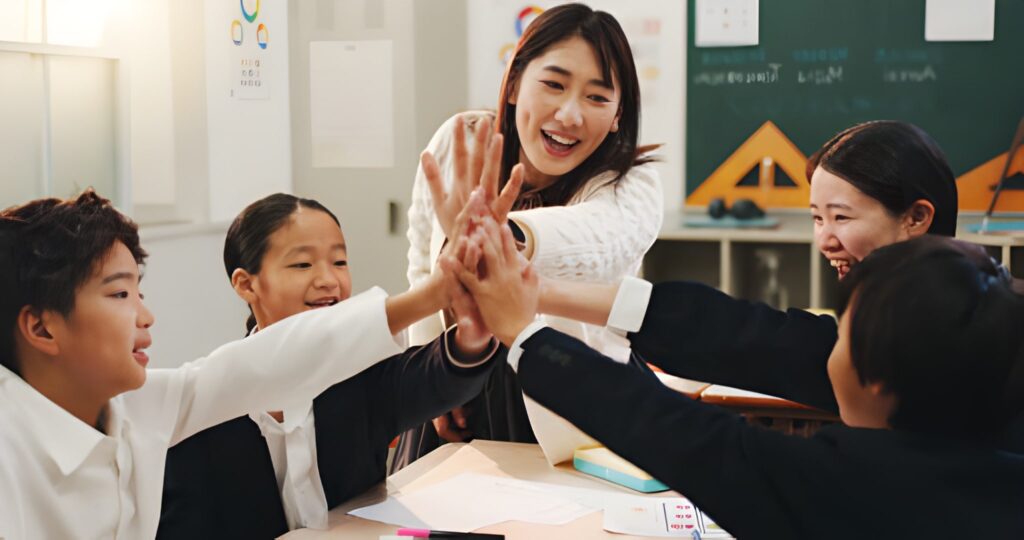
Social-emotional learning is another key dimension of early childhood development. Children learn to recognize emotions, empathize with others, and negotiate social interactions. Examples include sharing toys during group play, taking turns on playground equipment, or collaborating on a craft project. Structured programs like the “Tools of the Mind” curriculum emphasize self-regulation, cooperative learning, and social problem-solving, showing measurable improvements in attention span, emotional control, and peer interactions. Observing children in such contexts provides insight into how social-emotional competencies develop alongside cognitive skills.
Language Acquisition
Language acquisition is a core component of early learning, beginning in infancy and advancing rapidly through preschool years. Children learn vocabulary, grammar, and communication strategies through interaction, storytelling, and listening. For example, reading aloud to a child from picture books not only introduces new words but also models sentence structure, intonation, and narrative comprehension. Songs, rhymes, and repetitive games reinforce phonemic awareness and memory. Bilingual environments provide additional examples of accelerated language learning and cognitive flexibility, demonstrating the adaptive nature of young minds.
Motor Skill Development
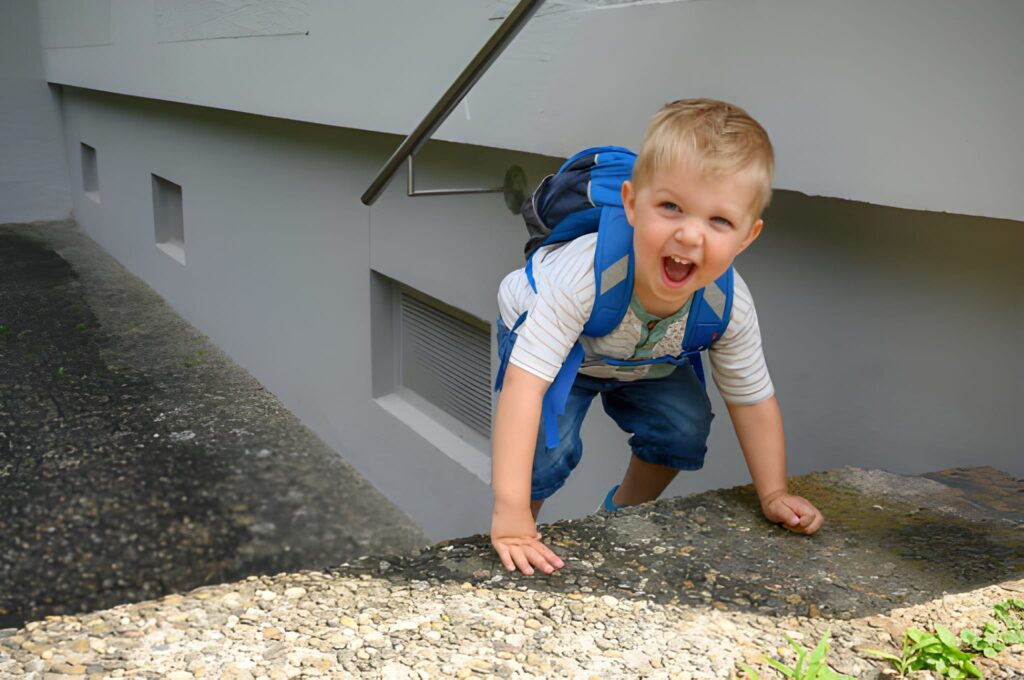
Motor skill development is another critical aspect of early childhood learning. Fine motor skills, such as using crayons, cutting with scissors, or manipulating small objects, support coordination, attention, and independence. Gross motor skills, including running, jumping, and climbing, enhance balance, strength, and spatial awareness. Practical examples include obstacle courses in preschool settings, playground activities, and finger-painting exercises. These activities demonstrate that physical movement is not only beneficial for health but also integral to cognitive and sensory development.
STEM and Early Learning
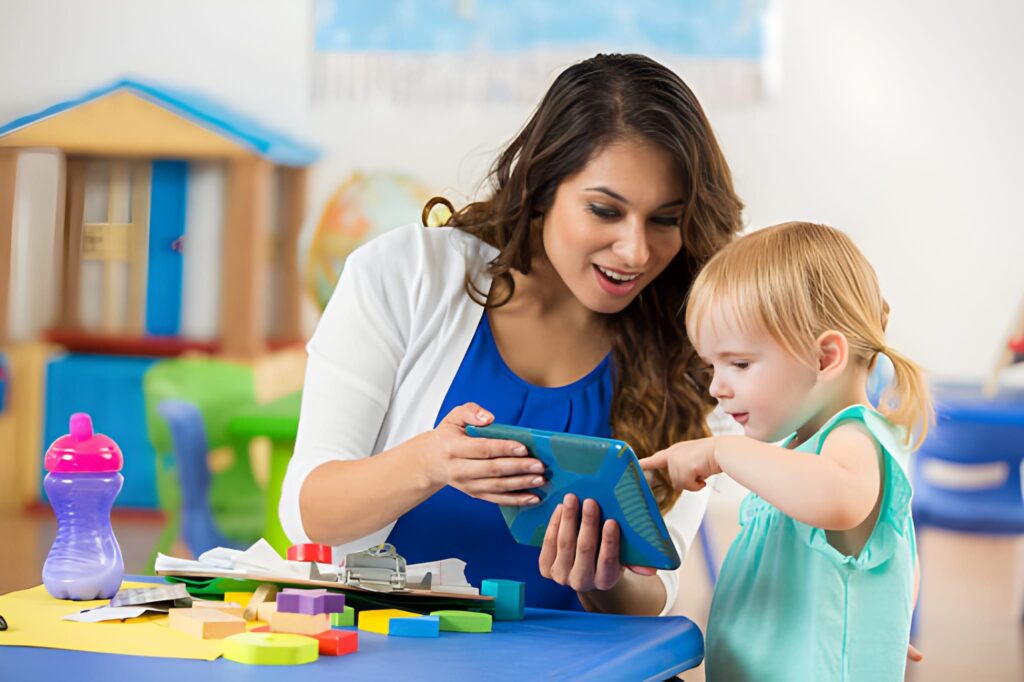
Early childhood learning also benefits from the integration of STEM (Science, Technology, Engineering, Mathematics) concepts. Age-appropriate STEM activities stimulate curiosity, analytical thinking, and problem-solving skills. Examples include using magnetic tiles to explore shapes and structures, planting seeds to observe growth patterns, or engaging in simple coding games on tablets. These activities encourage experimentation, hypothesis testing, and observational skills, laying the groundwork for scientific reasoning and computational thinking.
Assessment and Observation
Assessment and observation play a vital role in analyzing learning during early childhood. Tools such as developmental milestone charts, portfolios of children’s work, and anecdotal records help educators and caregivers track progress across domains. For instance, observing a child’s ability to sort objects by color or size provides insights into cognitive categorization skills, while noting social interactions during free play reveals levels of empathy, cooperation, and communication. Such analysis enables tailored interventions and supports individualized learning pathways.
Cultural and Socioeconomic Influences
Cultural and socioeconomic factors influence early childhood learning as well. Children exposed to diverse experiences, languages, and materials often develop greater cognitive flexibility and problem-solving skills. Conversely, limited access to educational resources or enriched play environments may affect developmental outcomes. For example, children in resource-rich preschool programs often demonstrate advanced literacy and numeracy skills compared to peers with fewer opportunities. Recognizing these disparities highlights the importance of accessible, high-quality early learning experiences.
Conclusion
The analysis of early childhood learning underscores the complexity and interconnectedness of developmental domains. Examples from play, structured activities, language experiences, social interactions, motor skill exercises, and STEM exploration reveal how children learn holistically. By observing, assessing, and supporting these learning processes, parents, educators, and caregivers can create enriched environments that promote cognitive growth, emotional resilience, social competence, and physical development. Early childhood learning is not confined to formal education; it thrives in everyday interactions, exploration, and guided experiences, providing the foundation for lifelong learning and success.