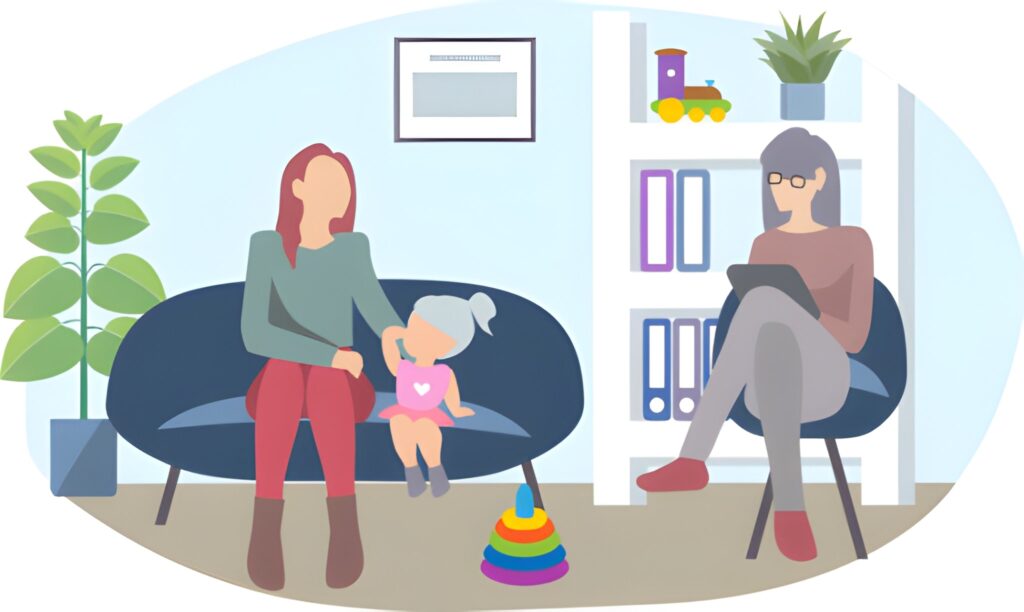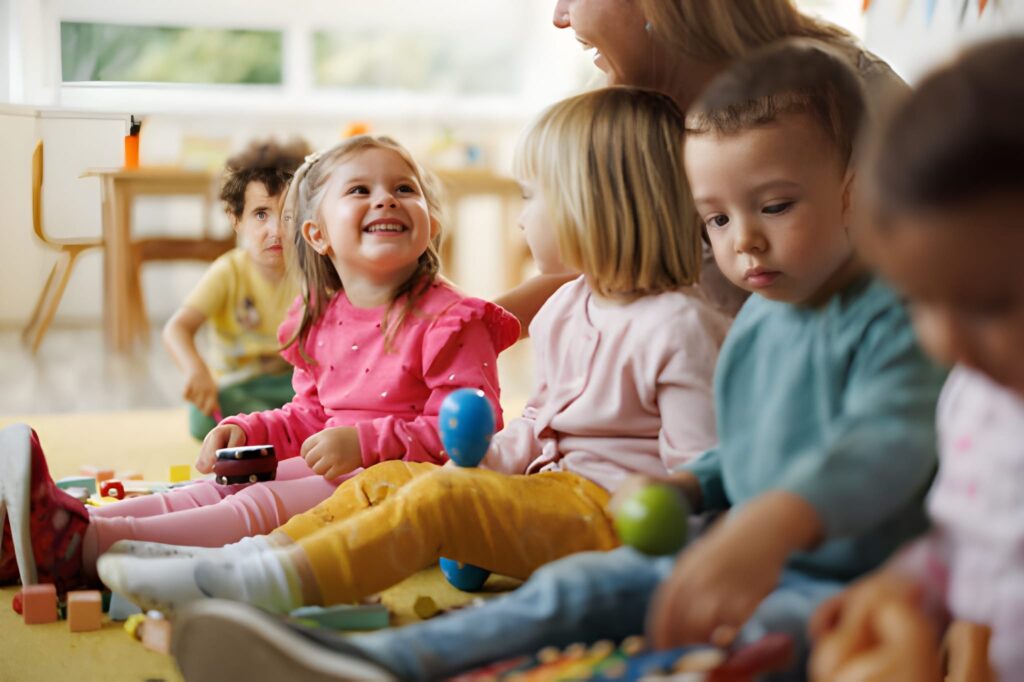
Early childhood education (ECE) refers to the structured and unstructured learning experiences provided to children from birth through approximately age eight, a period often described as the most rapid and formative stage of human development. During these years, children build the foundations of cognitive abilities, language skills, social-emotional understanding, and physical development. The experiences children receive in early childhood education settings shape not only their readiness for school but also their lifelong capacity for learning, relationships, and resilience.
The Importance of Early Childhood Education
Early childhood is characterized by rapid brain development. By age five, a child’s brain has already reached about 90 percent of its adult volume. This period is highly sensitive to environmental inputs, including language exposure, emotional support, and opportunities for exploration. Neuroscientific research highlights that early stimulation of cognitive and social-emotional skills creates strong neural connections that serve as the architecture for future learning.
Children who participate in high-quality early childhood education programs are more likely to enter kindergarten ready to learn, demonstrate stronger literacy and numeracy skills, and display social competence. Long-term studies, such as the Perry Preschool Project and the Abecedarian Project, show that ECE not only boosts academic outcomes but also increases high school graduation rates, reduces criminal involvement, and supports economic productivity in adulthood.
Core Goals of Early Childhood Education
- Cognitive Development: Building problem-solving, reasoning, memory, and early literacy and numeracy.
- Language Development: Expanding vocabulary, communication, and comprehension through conversation and storytelling.
- Social-Emotional Growth: Encouraging cooperation, empathy, self-regulation, and emotional awareness.
- Physical Development: Enhancing fine motor skills (writing, drawing) and gross motor skills (running, balancing).
- Creativity and Exploration: Providing opportunities for imaginative play, art, and music.
Key Theories Influencing Early Childhood Education
Several developmental theories shape ECE practices:
| Theorist | Key Idea | Impact on ECE |
|---|---|---|
| Jean Piaget | Stages of cognitive development | Curriculum matches developmental readiness; emphasis on play-based learning. |
| Lev Vygotsky | Sociocultural theory, Zone of Proximal Development | Importance of social interaction and scaffolding by teachers and peers. |
| Erik Erikson | Psychosocial development | Focus on building trust, autonomy, initiative, and industry at each stage. |
| Maria Montessori | Child-centered education | Prepared environments, hands-on materials, fostering independence. |
| Howard Gardner | Multiple intelligences | Recognizing diverse learning strengths beyond traditional academics. |
Program Models in Early Childhood Education
Early childhood programs differ in philosophy and structure.
| Model | Key Features | Strengths |
|---|---|---|
| Montessori | Self-directed learning, mixed-age classrooms, specialized materials. | Fosters independence, concentration, and responsibility. |
| Reggio Emilia | Project-based, child-led, emphasis on environment as “third teacher.” | Encourages creativity, collaboration, and critical thinking. |
| HighScope | Active participatory learning, daily routine with “plan-do-review” cycle. | Builds decision-making, responsibility, and problem-solving. |
| Waldorf | Imagination, rhythm, artistic expression, storytelling. | Promotes creativity and emotional depth. |
| Head Start (U.S.) | Comprehensive program addressing education, health, and family needs. | Supports disadvantaged children and reduces achievement gaps. |
Role of Teachers and Caregivers
Teachers in early childhood settings act as facilitators of exploration rather than transmitters of knowledge. Their responsibilities include:
- Designing developmentally appropriate learning environments.
- Observing and assessing children’s growth to tailor instruction.
- Creating nurturing, safe spaces that foster trust and curiosity.
- Engaging families as partners in the learning process.
Effective teachers balance structure with flexibility, allowing children to pursue interests while guiding them toward essential skills.
Socioeconomic and Cultural Considerations
Access to quality ECE varies widely across communities. In the United States, disparities exist in affordability and availability, particularly for low-income families. While wealthier families may have multiple preschool options, families in underserved areas often rely on underfunded programs. These inequalities affect school readiness and long-term educational outcomes.
Cultural values also shape expectations of early education. In Western contexts, independence and self-expression are often emphasized, while in many Asian and African communities, early learning emphasizes group responsibility, respect, and interdependence. Recognizing cultural variation ensures that programs respect family values while promoting holistic growth.
Benefits of Early Childhood Education
| Domain | Short-Term Benefits | Long-Term Benefits |
|---|---|---|
| Cognitive | Improved literacy and math skills | Higher academic achievement, reduced dropout rates |
| Social-Emotional | Stronger peer relationships, self-regulation | Better mental health, lower crime involvement |
| Economic | Parental workforce participation | Higher lifetime earnings, economic productivity |
| Societal | Reduced need for remedial education | Lower social costs, stronger civic participation |
Challenges Facing Early Childhood Education
- Access and Equity: Many families cannot afford quality programs.
- Teacher Pay and Training: Early childhood educators often earn low wages despite high responsibilities.
- Standardization Pressure: Testing and rigid curricula may undermine play-based learning.
- Cultural Relevance: Programs may not always reflect children’s cultural or linguistic backgrounds.
Future Directions in Early Childhood Education
- Integration of Technology: Digital tools, when balanced with hands-on learning, can support literacy and numeracy.
- Trauma-Informed Practices: Recognizing the impact of adverse childhood experiences on learning.
- Inclusive Classrooms: Supporting children with disabilities through individualized strategies.
- Policy Expansion: Calls for universal preschool and increased federal and state funding.
Conclusion
Early childhood education is more than preparation for school; it is the foundation for lifelong learning, health, and social well-being. By focusing on the holistic development of children, recognizing cultural contexts, and ensuring equitable access, society invests not only in individual futures but also in the collective strength of communities. The evidence is clear: children who benefit from high-quality early education are more likely to thrive academically, socially, and economically. Supporting this critical period is therefore one of the most impactful commitments a society can make.