11 DPO: Understanding Early Pregnancy Signs and the Implantation Window
Navigating the TWW: A biological and emotional guide to 11 days past ovulation.
Introduction: 11 DPO and the Waiting Game
The stage of 11 DPO, or 11 days past ovulation, marks a profound physiological and emotional milestone in the reproductive cycle. This period falls squarely within the "two-week wait" (TWW), a time defined by intense hope, meticulous observation, and often, significant anxiety. Physiologically, 11 DPO is critically important because it is when the primary action of a potential pregnancy—the full implantation of the blastocyst—is typically concluding or has just concluded. This crucial event begins the cascade of hormonal changes that produce recognizable signs.
Understanding 11 DPO requires distinguishing between real biological shifts and the powerful effect of expectation. Many common early signs mimic pre-menstrual syndrome (PMS) symptoms, leading to the "great confusion." This comprehensive guide examines the exact biological mechanism driving changes at 11 DPO, provides clear differentiation between pregnancy and PMS indicators, and offers a framework for emotional regulation during this sensitive period.
The Biology of 11 DPO: Implantation and Hormonal Triggers
At 11 DPO, the body is operating under the heavy influence of the corpus luteum, which releases progesterone to thicken and nourish the uterine lining. The key development, however, is the establishment of the connection between the developing embryo and the mother’s blood supply.
Implantation: The Trigger Event
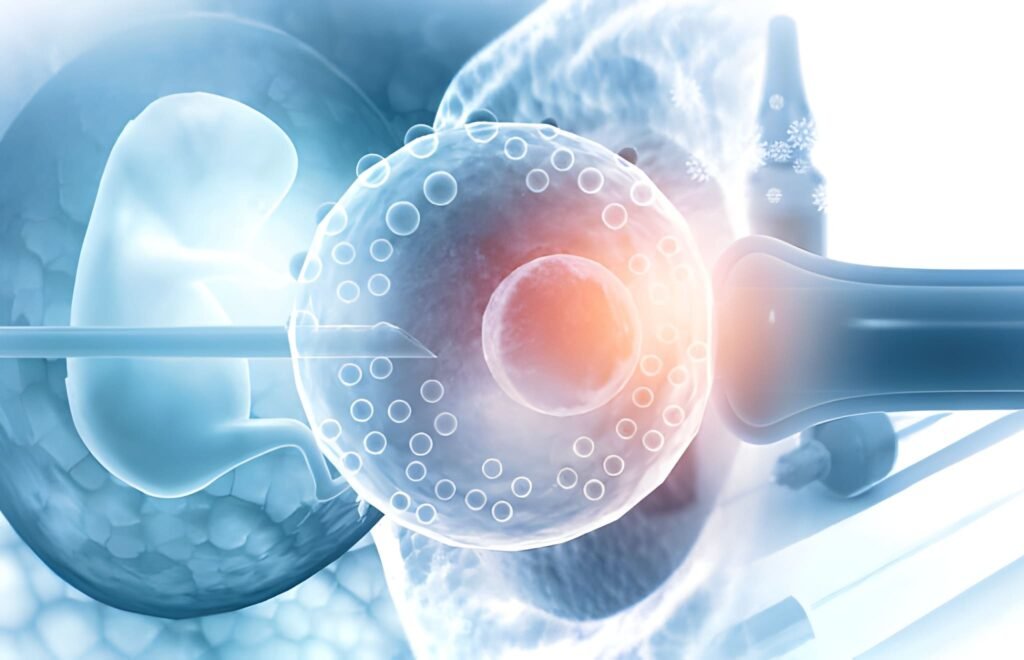
Fertilization usually occurs around 1 DPO, and the resulting zygote travels down the fallopian tube. By days 6 to 10 DPO, the blastocyst (the developing embryo) begins to burrow into the rich lining of the uterus. This event, known as implantation, is the moment pregnancy officially begins. Implantation at 11 DPO is possible but considered late. It is more common for it to be completed by this stage.
The Initial Surge of hCG
Once implantation occurs, the outer layer of the blastocyst, the trophoblast, begins producing Human Chorionic Gonadotropin (hCG). This is the pregnancy hormone. Its job is to rescue the corpus luteum, preventing it from dissolving and ensuring the sustained release of progesterone necessary to maintain the uterine lining. At 11 DPO, the hCG level is just beginning to rise from undetectable levels.
HCG Doubling Time
In a healthy early pregnancy, hCG levels typically double every 48 to 72 hours. While the average level at 11 DPO might be low (often below 25 mIU/mL), this rapid doubling is the key to achieving a positive home test in the following days. The exponential growth is the engine of early symptom progression.
Illustrating HCG Growth
If we assume implantation occurred at 9 DPO with an initial detectable hCG level of 5 mIU/mL, the expected range at 11 DPO can be approximated using the doubling rate. Let HCGstart be the initial level and Delapsed be the days elapsed since the initial level.
For a doubling time of 2 days (48 hours), the calculation from 9 DPO to 11 DPO (Delapsed = 2 days) would look like this:
This level is crucial because it is often *just* enough for a highly sensitive home pregnancy test to register a faint line, highlighting why 11 DPO is an emotional turning point.
Tracking Early Pregnancy Signs at 11 DPO
Symptoms at 11 DPO are generally subtle and intermittent. They manifest primarily due to the sudden surge of progesterone and the initial, small rise in hCG.
Bleeding: This appears as light pink or brown spotting, often only visible when wiping. Unlike menstrual flow, it is usually not continuous and stops within 24 to 48 hours. It occurs when the blastocyst disrupts small blood vessels in the uterine wall during burrowing. Only about 15% to 25% of pregnant individuals experience this, so its absence does not mean a negative outcome.
Cramping: These are mild, centralized twinges or aching sensations in the lower abdomen or lower back. They are significantly less intense and lack the radiating pain of pre-menstrual cramps. They represent the actual uterine changes occurring during implantation.
Breast Tenderness: Progesterone causes the milk ducts to prepare for production. At 11 DPO, this can lead to soreness, heaviness, and heightened sensitivity. The veins may become more prominent, and the area around the nipple (areola) might appear darker due to hormonal changes.
Fatigue: This pervasive tiredness is more than simple drowsiness. It often feels like an overwhelming exhaustion that is not resolved by rest. The body is dedicating massive energy resources to cellular development and blood volume expansion, which pulls energy away from the usual bodily functions.
Nausea and Smell Sensitivity: While severe morning sickness usually starts later, some individuals report a metallic taste or heightened sensitivity to smells at 11 DPO. Foods or scents that were once neutral can suddenly become repulsive due to hormonal shifts affecting the limbic system.
Bloating and Constipation: Elevated progesterone levels slow down the entire digestive tract, including the intestines. This leads to increased gas, abdominal bloating, and potential constipation. This sign is very easily confused with typical PMS symptoms.
The Great Confusion: Differentiating PMS from Early Pregnancy
The challenge at 11 DPO lies in the identical nature of many early pregnancy and PMS symptoms. Both conditions are driven by high levels of progesterone, which is dominant in the luteal phase of the cycle. Focusing on the *quality* and *duration* of the symptoms, rather than their presence alone, provides a clearer picture.
Comparative Symptom Analysis at 11 DPO
| Symptom | PMS Indicator | Pregnancy Indicator |
|---|---|---|
| Cramping | Intense, worsening over days, typically centralized. | Mild, quick twinges, often brief, or a feeling of "fullness." |
| Spotting | Usually absent, or heavy flow begins immediately. | Very light pink/brown, short-lived (1-2 days max). |
| Basal Body Temp | Drops sharply around 12 DPO, indicating period approach. | Sustained high temperature past 14 DPO (Triphasic curve). |
| Mood | Irritability, tearfulness, generally negative affect. | Often a combination of fatigue and unexpected emotional bursts. |
Basal Body Temperature (BBT) Analysis
Tracking BBT offers one of the most reliable early physical indicators. After ovulation, progesterone causes a temperature increase of 0.5 to 1 degree Fahrenheit. If pregnancy does not occur, the corpus luteum dissolves, progesterone drops, and the temperature falls back to the pre-ovulatory baseline just before or during menstruation. If the temperature remains elevated past 14 DPO, it is a highly positive indicator of pregnancy. Some individuals even observe a "triphasic shift"—a secondary temperature spike around 7-10 DPO—which may suggest implantation.
When to Test: Optimizing Accuracy and Managing Expectation
While testing at 11 DPO is tempting, it carries the risk of a false negative. Most home pregnancy tests (HPTs) are designed to detect hCG levels above 25 mIU/mL. Given the estimated low levels at 11 DPO, even a highly sensitive test might miss the low concentration. Waiting until the day of your expected period (typically 14 DPO) significantly increases accuracy.
Interactive Element: Calculating the Optimal Test Day
Use this calculator to find the earliest optimal day to test based on the most common testing advice:
The ideal testing window is 14 DPO, which is 3 days from now.
The earliest reliable testing date is often considered 14 DPO, aligning with the expected period. This gives hCG adequate time to reach a detectable threshold for most common tests. Testing earlier increases the chance of disappointment from a false negative.
The Role of Emotional Self-Care
The TWW generates significant psychological stress. During this time, practice deep breathing and mindfulness exercises. Focus on activities that ground you, rather than obsessively tracking symptoms. If you find anxiety overwhelming, seek support from a mental health professional specializing in reproductive health. Protecting your emotional stability is as important as the physiological changes occurring within your body.
Conclusion: Patience and Perspective
11 DPO is a bridge: you have crossed the hurdle of potential implantation and are nearing the point of clear confirmation. While symptoms like mild cramping, breast tenderness, and fatigue can be encouraging, they remain inconclusive. Maintain perspective, focus on nurturing your body, and trust the process. The best course of action is patience—the definitive answer will emerge when hCG levels reach their peak around the time of the expected period. Always consult your healthcare provider for clinical guidance and blood testing if necessary.
References and Further Reading
- Speroff, L., & Fritz, M. A. (2019). Clinical Gynecologic Endocrinology and Infertility (9th ed.). Lippincott Williams & Wilkins.
- Committee Opinion No. 700: Methods for Predicting Ovulation. (2017). The American College of Obstetricians and Gynecologists (ACOG).
- Su, H. W., Chen, Y. C., & Du, Y. M. (2017). Detection of the rise of human chorionic gonadotropin in serum and urine samples after conception. Fertility and Sterility.