The 12-Day Marker: Understanding Pregnancy Test Accuracy After Intercourse
The time between a potential conception event and the first reliable pregnancy test result is often filled with profound anticipation. When considering a test 12 days after unprotected intercourse, you are standing at a highly accurate moment in the biological timeline. The precision of the result hinges on the body's timeline for conception, specifically the cascade of events from fertilization to the production of the measurable hormone, Human Chorionic Gonadotropin (hCG). This detailed guide explores the biological science that makes the 12-day mark a crucial testing window, examines the reliability of various test types, and provides a calm, grounded perspective on interpreting the results.
The Biological Journey: Why Timing Matters
Twelve days after intercourse places you deep into the luteal phase of the reproductive cycle, provided the sex occurred near the ovulation window. This timing is critical because the human body requires a minimum biological window for the pregnancy hormone, hCG, to become detectable. The 12-day marker accounts for the entire multi-step process from conception to hormone production.
The Conception Timeline: Five Key Stages
Conception is not instantaneous. It involves a tightly scheduled chain of events that dictates when a pregnancy test can accurately measure the result:
- Intercourse and Sperm Survival (Day 0): Sperm can live inside the female reproductive tract for up to five days, waiting for the egg. This means the actual fertilization day might be later than Day 0.
- Ovulation and Fertilization (Day 0-5): The egg is viable for only 12 to 24 hours after release. Fertilization usually happens in the fallopian tube.
- Cell Division and Travel (Day 1-4): The fertilized egg, now a zygote, begins rapid division while traveling toward the uterus.
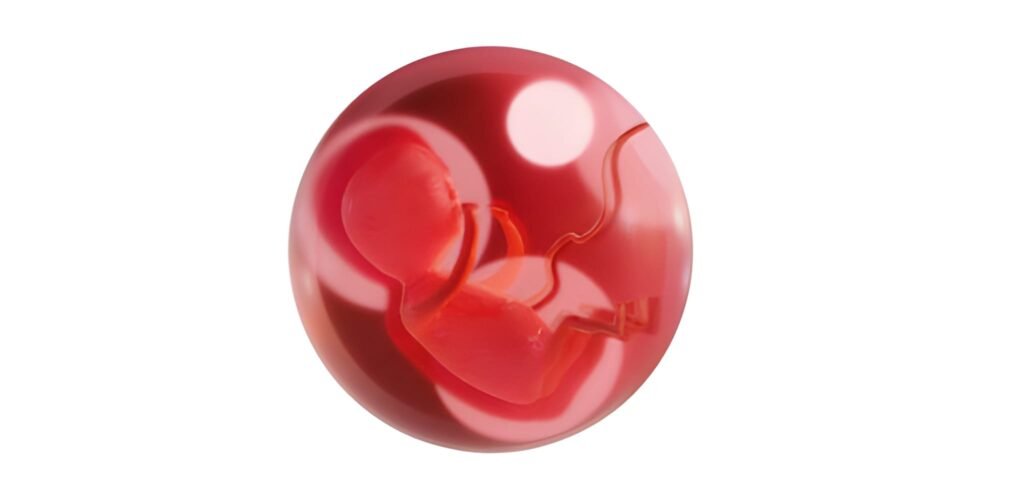
- Implantation (Day 6-12): The blastocyst (early embryo) attaches to the uterine wall. This is the moment the body recognizes pregnancy.
- hCG Production (Post-Implantation): The outer layer of the blastocyst begins producing hCG, which enters the mother's bloodstream.
Since implantation—the necessary trigger for hCG production—can occur as late as 12 days past ovulation (DPO), testing 12 days after intercourse provides a high likelihood of accuracy, assuming the intercourse was timed close to ovulation. If the intercourse occurred slightly before ovulation, the testing accuracy is even higher because more time has elapsed since the actual conception date.
The Crucial Role of Implantation in Testing
The single greatest variable affecting early test accuracy is the timing of implantation. Implantation is the biological green light for hormone production. The process typically occurs between 6 and 12 DPO. If implantation happens on the earlier side (Day 6-8), detectable hCG appears sooner. If it happens on the later side (Day 10-12), the hCG rise is delayed.
For most standard 28-day cycles, 12 days after intercourse (if timed around ovulation) corresponds closely to 12 DPO. At 12 DPO, over 95% of successful implantations have already occurred, which makes the 12-day marker a very reliable testing date for most highly sensitive home pregnancy tests.
Test Sensitivity: hCG Levels at 12 Days Post-Sex
Pregnancy tests measure the concentration of hCG in urine, expressed in milli-International Units per milliliter (mIU/mL). The level of hCG present directly determines the test result.
Understanding Test Thresholds
Different pregnancy tests have different sensitivities. The majority of tests sold in the US market fall into two main categories:
| Test Type | Sensitivity (Detection Threshold) | Reliability at 12 Days Post-Sex |
|---|---|---|
| Early Detection HPTs | 10 mIU/mL to 25 mIU/mL | High (often over 95% accurate) |
| Standard HPTs | 25 mIU/mL to 50 mIU/mL | Very High (near 99% if using first morning urine) |
| Quantitative Blood Test (Beta hCG) | As low as 1 mIU/mL to 5 mIU/mL | Definitive (Gold Standard) |
The Calculation of hCG Doubling
In a viable early pregnancy, hCG levels double approximately every 48 to 72 hours. By 12 days post-ovulation (DPO), which is often the timing reference point for 12 days after successful intercourse, the average hCG levels are typically above the detection threshold for even standard tests.
If a woman has an early implantation on 8 DPO and the initial hCG level is a very minimal 2 mIU/mL, we can project the growth over the next 4 days (8 DPO to 12 DPO):
Initial (8 DPO): 2 mIU/mL $\rightarrow$ 10 DPO: 4 mIU/mL $\rightarrow$ 12 DPO: 8 mIU/mL
While 8 mIU/mL is still low, it is detectable by the most sensitive HPTs (10 mIU/mL). Since most implantation occurs between 8 DPO and 10 DPO, the average level at 12 DPO is significantly higher, often ranging from 25 mIU/mL to 100 mIU/mL, making the test result highly dependable.
Home Tests vs. Clinical Blood Tests: Accuracy Comparison
For most individuals, a highly sensitive home pregnancy test (HPT) is sufficient at the 12-day mark. However, understanding the difference between HPTs and professional blood work offers crucial context.
Home Pregnancy Tests (Qualitative)
HPTs are qualitative, meaning they deliver a simple positive or negative result. Their major strength at 12 days is convenience and speed. Their weakness is that a negative result might occasionally be a false negative if the woman ovulated late, resulting in delayed implantation, or if the test was not performed with concentrated morning urine. Always use the first urine of the day for the most accurate reading.
Clinical Blood Tests (Quantitative)
A quantitative serum hCG test (blood draw) is the definitive gold standard. It measures the precise numerical value of the hormone. If a home test is negative at 12 days but a period is still missed, a clinical blood test offers the highest degree of certainty because it can detect levels as low as 1 mIU/mL. This precision eliminates almost all potential false negatives caused by low hormone levels.
Always use the first urine sample immediately upon waking. This is the most concentrated sample of the last 6-8 hours, providing the highest possible level of hCG for detection. Avoid consuming excessive liquids before testing.
Ensure the test is not expired. Store tests at room temperature, away from extreme heat or moisture, which can degrade the chemical strip and lead to unreliable results. Always confirm the control line appears, verifying the test itself is functional.
Read the result within the manufacturer's specified window (typically 3 to 5 minutes). Reading the test after this window can result in an "evaporation line," a faint mark that can be mistaken for a positive result, leading to false hope or confusion.
Interpreting Positive and Negative Results
The Positive Result at 12 Days
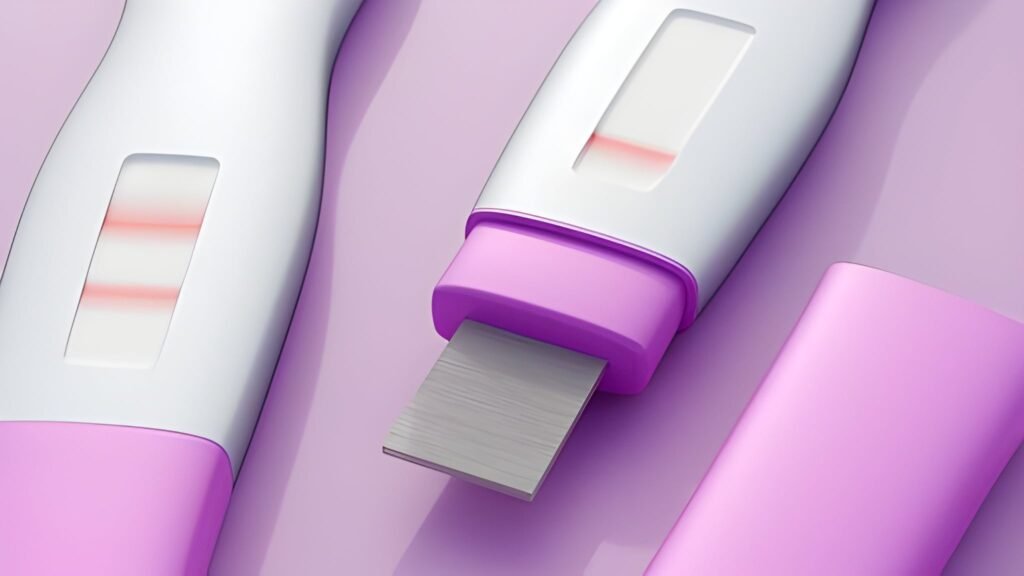
A positive result at 12 days is exceptionally reliable. Whether the line is faint or dark, the presence of hCG confirms that implantation has occurred and the pregnancy is developing. The faintness of the line simply relates to the concentration of hCG present in the urine at that moment. A dark line suggests high hCG and typically an earlier implantation or a later timing of intercourse relative to ovulation. A positive result should lead to consultation with a healthcare provider for confirmation and planning of prenatal care.
The Negative Result at 12 Days
A negative result at 12 days after intercourse is highly probable, but not absolutely definitive for all women. The key factor is the individual's cycle regularity. If the woman has a regular 28-day cycle and the sex occurred during her fertile window, 12 days post-sex places her very close to the expected day of her period (14 DPO). The odds favor that the negative result is correct.
Navigating Ambiguity: The Role of the False Negative
The primary concern with testing at 12 days is the possibility of a false negative—a negative result despite being pregnant. This scenario only occurs when the implantation process is significantly delayed.
| Test Result at Day 12 | Interpretation | Recommended Next Step |
|---|---|---|
| Positive | Pregnancy confirmed. Very high reliability. | Contact healthcare provider for blood confirmation and early prenatal care plan. |
| Negative (Period Due Soon) | Not pregnant is highly probable. | Wait 3-5 days. If period has not arrived, retest or seek a blood test. |
| Negative (Period Already Missed) | Requires further investigation. Possible late ovulation/implantation. | Schedule a quantitative blood (Beta hCG) test immediately. |
Factors Influencing Personal Timeline
While the biological clock follows general rules, two main factors cause individual variation in testing accuracy:
Irregular Ovulation
The 12-day rule relies on the assumption that ovulation occurred shortly after the intercourse. Women with irregular cycles, or those who ovulated much later than expected, will experience delayed implantation. For example, if ovulation occurred on Day 10 after intercourse, then 12 days post-sex is only 2 DPO, meaning no hCG could possibly be detected yet. Tracking methods like basal body temperature (BBT) or ovulation predictor kits (OPKs) provide greater clarity on the actual DPO, which is a more accurate measure than days post-intercourse.
Socioeconomic Factors and Access to Care
In the US, accessing a quantitative blood test requires a doctor's visit, which can involve copays, insurance approval, and time off work. This often makes the $10$ to $20$ home test the primary and most immediate testing method. For low-income individuals or those without comprehensive health insurance, the reliability of a single HPT at 12 days becomes a necessary cornerstone of early decision-making. If the HPT is negative and uncertainty persists, seeking care at a community health clinic or public health department is a prudent option for accessing a reliable blood test without significant cost barriers.
Testing 12 days after intercourse provides a high probability result because the biological mechanism for hormone production has had sufficient time to initiate. While a positive is nearly certain, a negative should always be reconfirmed if the expected menstrual period does not begin on time.