12 DPO: The Critical Test—High Accuracy in the Final Stretch
A Specialist's Guide to Symptoms, Sensitivity, and Timing
Article Overview
The period known as the Two-Week Wait (TWW)—the stretch between ovulation (DPO, or days past ovulation) and the expected start of the menstrual period—is arguably the most intense phase in the journey of trying to conceive. At 12 DPO, you stand at a critical juncture. You are just days away from a definitive answer, and every tiny physical sensation can amplify into a question of potential pregnancy. This moment requires a careful, evidence-based approach rather than emotional speculation. As a specialist in maternal and child health, my goal is to provide a calm, clear breakdown of what happens in your body at 12 DPO, how pregnancy tests function, and why patience often yields the most accurate outcome.
The Biological Reality at 12 DPO: Implantation is Complete
Twelve days past ovulation represents a time when the fundamental biological processes necessary for establishing pregnancy have very likely concluded. To understand your test result, you must first understand the internal timeline of conception.
Implantation: The Defining Moment
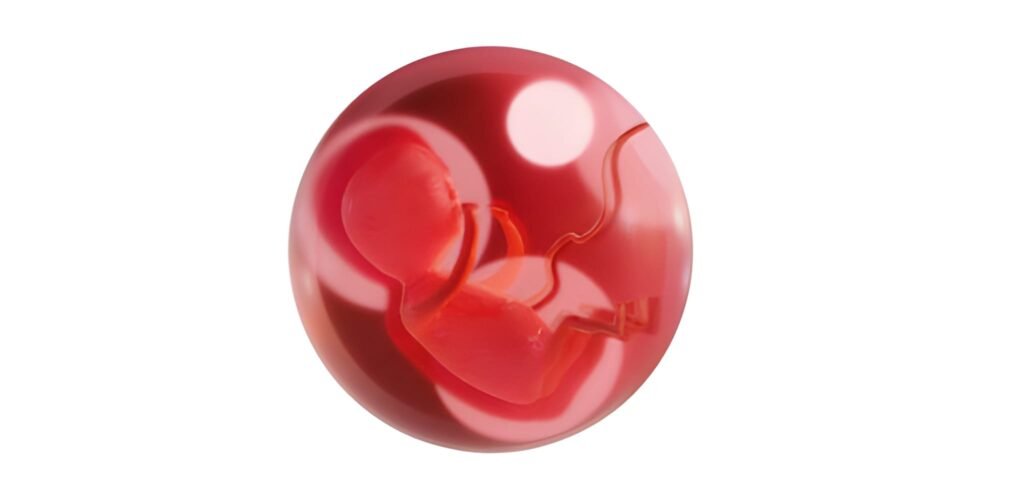
For pregnancy to occur, the fertilized egg (now called a blastocyst) must successfully burrow into the nutrient-rich lining of the uterus, a process called implantation. This usually happens between 6 and 12 DPO, with the majority of implantations occurring around 8 to 10 DPO. If implantation happens, the process is already complete by 12 DPO, triggering the immediate production of the pregnancy hormone: human chorionic gonadotropin (hCG).
The Exponential Rise of Human Chorionic Gonadotropin (hCG)
The cells that eventually form the placenta start producing hCG almost immediately after successful implantation. This hormone acts as a signal, preserving the corpus luteum (the temporary structure in the ovary that releases progesterone) to ensure the uterine lining remains intact.
The key characteristic of hCG in early pregnancy is its rapid doubling time. Typically, hCG levels roughly double every 48 to 72 hours. By 12 DPO, even a late implanter (10-12 DPO) has had at least a full day for the hormone to start accumulating. This extended time significantly increases the chance of detection compared to earlier days.
Test Accuracy: Is 12 DPO Reliable for a Result?
Testing at 12 DPO moves you out of the high-risk "too early" zone and into a period of much higher reliability. Most sensitive home pregnancy tests (HPTs) should detect pregnancy at this point. A positive result is almost certainly accurate. However, a negative result (BFN) at 12 DPO is also meaningful, as it means the hormone has had sufficient time to rise.
Home Pregnancy Test (HPT) Sensitivity
Home pregnancy tests measure the concentration of hCG in urine, expressed in milli-international units per milliliter (mIU/mL).
- Standard HPTs: Often require 25 mIU/mL or more.
- Early Detection HPTs: Can detect levels as low as 10 mIU/mL or 12.5 mIU/mL.
If implantation occurred anywhere between 6 and 8 DPO (the most common window), your hCG level at 12 DPO should comfortably exceed the detection threshold of all but the least sensitive tests. If implantation occurred late (10 DPO or 12 DPO), a sensitive test should still pick up a positive result.
The Implantation Timing Interactive
Use this simplified model to visualize how hCG levels may vary at 12 DPO based on the day implantation occurred. We assume hCG reaches 2 mIU/mL on the day of implantation and doubles every 2 days (48 hours).
Calculation Example (8 DPO): Implantation at 8 DPO leaves 4 days until 12 DPO. Assuming a doubling rate of 48 hours, this is 2 full doublings. HCG at 12 DPO = 2 mIU/mL × 2^2 = 8 mIU/mL Note: This illustrates that even with early implantation, you may still require a highly sensitive test at 12 DPO. If your implantation was earlier than 8 DPO, your levels would be significantly higher.
When a Negative Result (BFN) is Possible
Receiving a Big Fat Negative (BFN) at 12 DPO is certainly disappointing, but still does not completely rule out pregnancy, though the probability is much lower than at 10 or 11 DPO. The reasons for a false negative at this point are typically narrowed down:
- Late Implantation: If implantation occurred at 12 DPO itself, the hormone is just beginning to rise and may not have reached even 10 mIU/mL. This scenario, however, is statistically rare.
- Diluted Urine: Taking the test after consuming large amounts of fluid can significantly dilute the hCG concentration, especially if your body is naturally a slow hCG producer.
- User Error: Errors in following test instructions, checking the result outside the reading window, or using an expired test can cause an inaccurate result.
Expert Insight on Timing
A true negative at 12 DPO, taken with first morning urine using a sensitive test, suggests a high likelihood that you are not pregnant this cycle. However, because implantation can happen up until 12 DPO, specialists often recommend confirming a BFN with a retest at 14 DPO (the day of the expected period).
12 DPO Symptoms: Decoding PMS or Pregnancy?
At 12 DPO, the symptoms related to progesterone production (which causes many PMS symptoms) are often at their peak. However, if pregnancy has occurred, the rapidly rising hCG and sustained progesterone can intensify certain symptoms, making a distinction slightly more possible than in earlier days. [Image of uterine lining during luteal phase compared to early pregnancy]
Progesterone's Dual Role
Whether you are pregnant or approaching your period, progesterone levels remain high. This causes symptoms like breast tenderness, fatigue, bloating, and mood changes. If a pregnancy implants, hCG ensures these progesterone levels stay elevated. At 12 DPO, if you are pregnant, the symptoms may begin to feel distinctly different: perhaps the fatigue is more profound, or the nausea is more noticeable than typical PMS.
Symptom Comparison: PMS vs. Early Pregnancy at 12 DPO
| Symptom | PMS Indication (No Pregnancy) | Early Pregnancy Indication |
|---|---|---|
| Cramping | Starts mild, progresses to dull, aching pain; usually precedes menstruation within 24-48 hours. | Milder, intermittent twinges or "pulling." If it feels different from your usual PMS, it warrants attention. |
| Spotting/Bleeding | A heavy, bright red flow is usually imminent. | May still be light pink/brown "old" blood from late implantation; it should not progress to a flow. |
| Breast Tenderness | Generalized soreness that might ease as your period approaches. | Tenderness often persists and intensifies; areolas may begin to look darker or bumpy (Montgomery glands). |
| Nausea/Aversions | Usually absent. | Nausea may be pronounced or triggered by strong smells or sudden hunger. |
| Fatigue | Normal luteal phase fatigue due to progesterone. | Often reported as profound exhaustion, sometimes linked to rapid blood volume increase. |
Best Practices for 12 DPO Testing: Optimizing Your Result
If you choose to test at 12 DPO, follow these guidelines to maximize the accuracy of your home pregnancy test (HPT).
Timing and Urine Concentration
Your first urine of the day is the most concentrated because it holds the hCG that accumulated overnight. It is critical to use this sample. Avoid drinking fluids excessively during the night or immediately upon waking until you complete the test. Diluting the sample, even slightly, could push your hCG level below the test's detection threshold.
Deciphering the Faint Line
A faint line at 12 DPO is a common experience and nearly always indicates a positive result. It signifies that hCG is present, but at a low concentration. Do not discard the test immediately. Check the result within the specified reading window (usually 3 to 10 minutes). A faint line today should become noticeably darker within 48 to 72 hours, confirming that your hCG is rising appropriately. If the line remains faint or disappears upon retesting, consult your healthcare provider to rule out a chemical pregnancy or other issues.
Line Tests (Strip/Midstream): These offer the most visual confirmation and are generally more sensitive, often detecting hCG below 20 mIU/mL. A faint line can be seen early. They are inexpensive and allow you to track line progression.
Digital Tests: While often highly accurate, digital tests tend to have a higher detection threshold (sometimes 25 mIU/mL or more). A digital test that reads "Not Pregnant" at 12 DPO is less likely to be a false negative than one taken at 10 DPO, but it still means your hCG level has not yet crossed the internal digital display threshold.
The Emotional Landscape of the Two-Week Wait
The intensity of the TWW, particularly at 12 DPO, is heightened by the proximity to the definitive answer. This phase often involves an emotional balancing act between hope and preparing for disappointment. Acknowledging this stress is a vital part of maternal wellness.
Strategies for Managing Anxiety
Engage in activities that focus on present-moment experience rather than future outcomes. Shift your energy away from symptom spotting. Consider light physical activity, creative hobbies, or connecting with supportive individuals who understand the unique stress of fertility journeys. If testing early causes distress, commit to waiting until your missed period to preserve your emotional well-being.
The Impact of Socioeconomic Factors on Testing
For many individuals, access to sensitive HPTs and the ability to test repeatedly are impacted by economic considerations. While early detection tests offer a quicker answer, they often come at a premium. Recognize that using an affordable, standard test on the day of your missed period (14 DPO) is the most cost-effective and equally accurate approach. Seek out community resources or online support groups that can provide resources or advice on navigating the financial stress often tied to repeated testing.
Summary and Next Steps
Twelve DPO is a high-accuracy point for pregnancy testing. If you received a positive result—even a faint line—schedule an appointment with your healthcare provider to confirm the pregnancy via a blood test and discuss next steps.
If you received a negative result (BFN) at 12 DPO, understand that your chance of being pregnant is low but not zero, particularly if you suspect late ovulation. The most reliable course of action is to wait until 14 DPO, allowing your hCG levels sufficient time to double, and retest with concentrated morning urine. If you continue to receive negative results with no period, contact your doctor for a blood test to determine your definitive status and explore reasons for the cycle delay. Maintain a sense of calm and self-care during this final stretch of the wait.