Movement and Wellness from Weeks 1 through 12
First Trimester Fitness: Safe, Effective, and Fatigue-Fighting Pregnancy Exercises
Table of Contents
Hormonal Context: Why Exercise Feels Different
The first trimester, weeks 1 through 12, represents a critical period of foundational development for the baby. Simultaneously, the mother's body undergoes massive hormonal changes, often characterized by overwhelming fatigue and nausea. Exercise during this time is not about intensity or performance; it is about consistency, energy conservation, and setting a positive habit for the months ahead.
Progesterone's Influence on Energy
The primary reason for first-trimester fatigue is the surge in progesterone. This hormone is essential for maintaining the uterine lining and supporting the early embryo. However, it also acts as a central nervous system depressant, triggering sleepiness and demanding significant energy reallocation. Many women find their previous workout routines suddenly impossible. The goal now is not to push through exhaustion but to find gentle movement that combats stiffness and improves mood.
Clinical Note: A common misconception is that exercising causes miscarriage. For a healthy pregnancy, exercise is safe and beneficial. If you did not exercise regularly before conception, start slow with low-impact activities like walking or swimming, limiting duration to 15-20 minutes initially. Always secure clearance from your OBGYN before starting any new regimen.
Safety First: Non-Negotiable Guidelines
While general guidelines exist, every pregnancy is unique. Always discuss your specific fitness plan with your healthcare provider. Certain rules apply universally to exercise during the first trimester to protect both mother and developing child.
Hydration and Temperature Regulation
The fetus cannot regulate its own temperature. Significant overheating in the first trimester raises concern, particularly regarding neural tube development. Maintain a comfortable body temperature by avoiding intense exercise in hot, humid conditions. Proper hydration is also non-negotiable, as blood volume increases rapidly during this phase. Dehydration can lead to reduced blood flow and lightheadedness.
- The Talk Test: A practical gauge for intensity. You should always be able to hold a conversation comfortably while exercising. If you cannot speak without gasping, reduce the intensity.
- Monitor Heart Rate: While the old rule of staying under 140 BPM is outdated, listen to your body. Intense cardiovascular exertion should be approached with caution, especially if you feel dizzy or lightheaded.
Warning Signs Requiring Immediate Cessation
Stop exercising immediately and contact your doctor if you experience any of the following symptoms:
- Vaginal bleeding or fluid leakage.
- Severe dizziness or feeling faint.
- Shortness of breath that precedes exertion.
- Chest pain or calf pain/swelling.
Foundational Exercises: Building a Safe Routine
The best first-trimester activities are those that are low-impact, rhythmic, and easily modifiable. They keep the heart gently engaged without stressing ligaments or core muscles, which are already preparing for growth.
Low-Impact Aerobics: Walking and Swimming
Walking remains the most accessible and recommended form of aerobic exercise. It requires no specialized equipment, is easy to integrate into daily life (e.g., parking farther away, taking the stairs), and supports blood flow without joint strain. Aim for 30 minutes of brisk walking most days of the week.
Swimming and water aerobics are ideal. The buoyancy of the water provides excellent support, reducing strain on joints and ligaments affected by the hormone relaxin. Water also helps regulate body temperature, making it a comfortable option for minimizing overheating.
Strength and Light Resistance
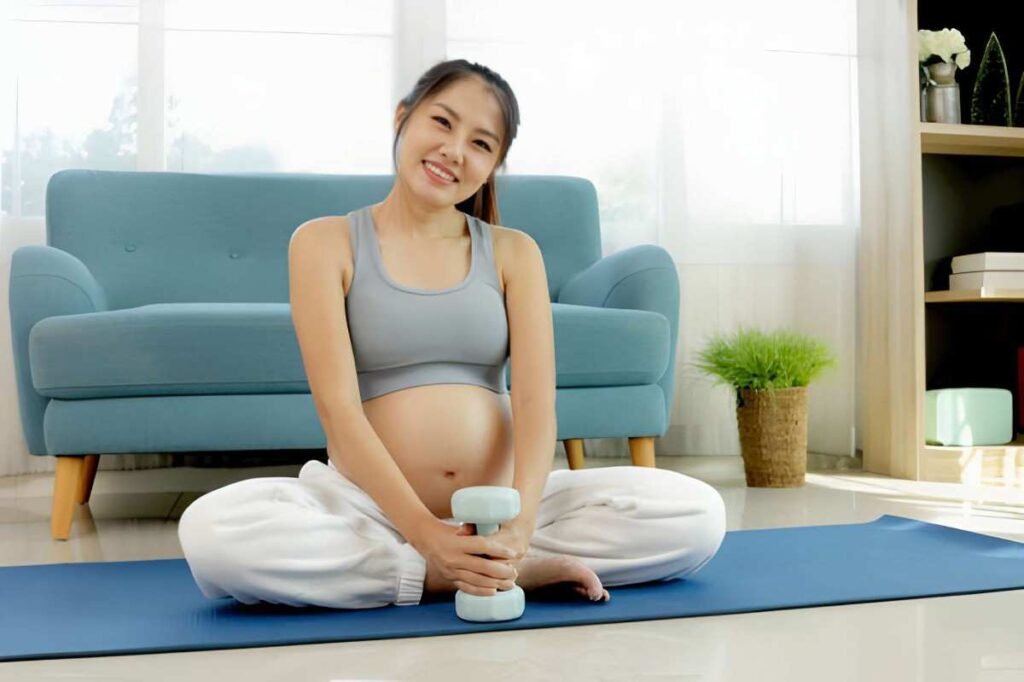
Maintaining strength is crucial for carrying weight in later trimesters and preparing the body for labor. Focus on light resistance and high repetitions. Use bodyweight or light dumbbells (2-5 pounds).
- Wall Squats: Strengthen legs and glutes, supporting the spine. Stand with your back against a wall, slide down slowly until knees reach a 90-degree angle, and hold for 30-60 seconds.
- Incline Push-ups: Use a counter or wall for support. This strengthens the chest and back without requiring you to lie flat (which becomes unsafe later) or strain the lower back.
- Bicep Curls and Lateral Raises: Use light weights to maintain arm and shoulder strength, which proves beneficial for carrying the baby later on.
Core and Pelvic Floor Stability
While the uterus is still small in the first trimester, establishing core connection and pelvic floor awareness is a foundational priority. This prepares the abdominal wall for the eventual stretch and supports the bladder against increased pressure.
Safe Core Activation
Avoid traditional crunches and sit-ups. Instead, focus on transverse abdominis (TA) engagement, the deep core muscle that acts like a natural corset. Effective first-trimester core moves include:
- Bird-Dog: Start on hands and knees. Slowly extend one arm forward and the opposite leg backward, keeping the spine completely flat and the core engaged. This teaches stability without flexion.
- Cat-Cow Stretch: A classic yoga pose that gently mobilizes the spine, relieving early pregnancy back tension. Synchronize movement with deep breaths.
The Essential Pelvic Floor Exercises (Kegels)
Kegels, or pelvic floor muscle contractions, are arguably the most important exercise during pregnancy. The pelvic floor supports the increasing weight of the uterus and its contents. Regular Kegel practice improves muscle tone, aiding in bladder control and potentially easing recovery postpartum. Practice 10-15 slow, deliberate contractions, three times per day.
Interactive: The Trimester 1 Safety Checklist
Certain activities popular in pre-pregnancy life must be modified or entirely avoided due to changing physiology and risks. Click on each item below to understand the reasoning behind the restriction.
Activities like soccer, basketball, or skiing carry a significant risk of impact or fall, which can increase the risk of placental injury or trauma. Stop these sports immediately.
Activities like high-intensity interval training (HIIT) that lead to exhaustion or exercises involving breath-holding can temporarily decrease oxygen supply to the baby. Maintain continuous, rhythmic breathing.
Overheating (hyperthermia), particularly in the first trimester, poses risks to the developing fetus. Avoid exercise environments where ambient temperature exceeds 90 degrees Fahrenheit.
These activities expose the body and the fetus to rapid pressure changes. Scuba diving can lead to decompression sickness in the fetus. High altitude training restricts necessary oxygen.
Weekly Integration: Structuring Your Movement
Structure helps establish consistency, particularly when fatigue is high. Aim for at least 150 minutes of moderate-intensity aerobic activity per week, ideally spread across 5 days, combined with two days of strength training.
Sample First Trimester Weekly Plan (Minutes)
| Day | Focus | Activity Type | Duration |
|---|---|---|---|
| Monday | Aerobic/Endurance | Brisk Walking (Outdoors or Treadmill) | 30 minutes |
| Tuesday | Strength/Stability | Bodyweight Squats, Incline Push-ups, Bird-Dog | 20 minutes |
| Wednesday | Active Recovery | Prenatal Yoga or Gentle Stretching | 25 minutes |
| Thursday | Aerobic/Cardio | Swimming or Water Aerobics | 40 minutes |
| Friday | Strength/Core | Wall Squats, Bicep Curls (light weights), Kegels | 20 minutes |
| Saturday | Leisure Aerobic | Longer Walk with Partner or Light Cycling | 45 minutes |
| Sunday | Rest | Focus on Deep Breathing and Relaxation | N/A |
If nausea is a daily hurdle, break the aerobic minutes into smaller, manageable chunks. A 10-minute walk after each meal provides the same cumulative benefit as a single 30-minute session and is often easier to tolerate.
Access and Cost: Affordable Fitness for US Audiences
High-quality prenatal fitness should not depend on expensive gym memberships or specialized classes. The most effective first-trimester exercises are often the most accessible.
Cost-Effective Fitness Options
- Public Parks and Trails: Walking and light jogging are free. Utilizing local parks and community trails provides mental health benefits alongside physical activity.
- Online Resources: Many reputable physical therapists and prenatal yoga instructors offer high-quality, free YouTube content specifically tailored for the first trimester. This eliminates the cost barrier of classes.
- Community Center Pools: Check local community centers or YMCAs. Their pool access fees are often lower than private gyms, making swimming an affordable, low-impact choice.
Prioritize simple tools—a resistance band or a light pair of dumbbells—over large, expensive equipment. The consistency of movement, regardless of location or cost, drives the positive outcome.
Investing in Future Trimesters
The movement established in the first trimester creates an enduring physical baseline. Maintaining fitness now helps manage common second- and third-trimester discomforts, including back pain, hip soreness, and swelling. Pregnant individuals who maintain a safe exercise regimen report easier labor, faster postpartum recovery, and improved mood stability.
View exercise not as a demanding chore, but as an integral part of prenatal care, alongside nutrition and sleep. Respect the body’s new limitations, celebrate every moment of movement achieved, and build a foundation of strength that supports both mother and child throughout this incredible transformation.