Absolute Certainty of Non-Pregnancy at 21 Days Late
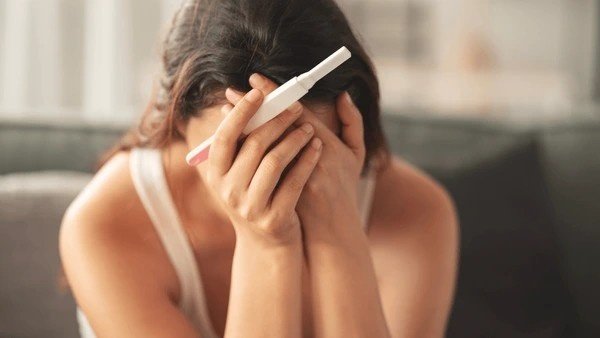
Receiving a negative home pregnancy test (HPT) three full weeks after your period was expected removes any lingering doubt about pregnancy being the cause of the delay. The sensitivity of modern HPTs is designed to detect the human chorionic gonadotropin (hCG) hormone at levels of 25 mIU/mL or less.
If a viable pregnancy were present, even with the latest possible implantation (12 days past ovulation, or DPO), the hCG hormone would have had ample time to multiply over the intervening 28-35 days. By 21 days late, a healthy pregnancy would register hCG levels far into the hundreds, making a false negative statistically impossible. This concrete evidence directs the focus entirely onto the physiological reasons for the **anovulatory cycle**.
The Mechanics of Anovulation: Why the Signal Failed
The menstrual period is the final event in the reproductive cycle, triggered by the withdrawal of progesterone. This withdrawal occurs only after ovulation takes place and the corpus luteum (the structure left behind after egg release) naturally degrades.
Defining Secondary Amenorrhea
When menstruation stops for three or more consecutive cycles, or for a period equivalent to three months, in someone who previously had regular cycles, the condition is termed Secondary Amenorrhea. A 21-day delay is a clear sign that ovulation was missed or severely delayed, disrupting the hormonal cascade managed by the **Hypothalamic-Pituitary-Ovarian (HPO) axis**.
The Critical Hormone: Progesterone
No ovulation means no corpus luteum forms. No corpus luteum means minimal progesterone is produced. Without the progesterone spike and subsequent drop, the uterine lining does not receive the signal to shed. Therefore, the period is absent because the essential step—releasing the egg—failed to occur.
Category 1: Stress and Hypothalamic Amenorrhea (HA)
The most common cause of an extended period delay is the body’s response to stress, resulting in Hypothalamic Amenorrhea. The body temporarily shuts down reproduction to conserve energy for survival.
The Cortisol Connection
Chronic, unmitigated stress—whether physical (extreme dieting, over-exercising) or psychological (major life events, chronic anxiety)—leads to high levels of the stress hormone cortisol. High cortisol suppresses the production of Gonadotropin-releasing hormone (GnRH) in the hypothalamus. This GnRH suppression is the root cause of HA, halting the ovarian preparation phase and indefinitely postponing ovulation.
Energy Deficit in US Audiences
In the United States, HA is frequently linked to a state of **low energy availability (LEA)**. This is an imbalance where caloric expenditure, often from intense or long-duration exercise, exceeds energy intake, signaling metabolic danger. The brain interprets this as famine, causing the reproductive system to pause. Solving this requires proactive nutritional and exercise management to restore energy balance.
Category 2: Endocrine Drivers (PCOS, Thyroid, Prolactin)
If lifestyle factors are not the cause, the diagnosis shifts to primary endocrine disorders that directly interfere with ovarian function.
Polycystic Ovary Syndrome (PCOS)
PCOS is the leading endocrine cause of anovulation. It involves a hormonal environment characterized by elevated androgens and often insulin resistance. This imbalance prevents ovarian follicles from maturing properly, resulting in chronic anovulation and irregular, often absent, periods.
Thyroid and Prolactin Dysfunction
Disorders of the thyroid (hypothyroidism or hyperthyroidism) and elevated Prolactin (hyperprolactinemia) are frequent causes of menstrual disruption. The thyroid regulates metabolism, profoundly influencing sex hormone function. Elevated prolactin, a hormone often increased by certain medications or pituitary anomalies, acts as a natural brake on ovulation.
| Condition | Key Hormonal Driver | Associated Clinical Clues |
|---|---|---|
| Hypothalamic Amenorrhea | Low GnRH, High Cortisol | Rapid weight loss, excessive training, high psychological stress. |
| PCOS | High Androgens, Insulin Resistance | Acne, hirsutism (excess hair), characteristic ovarian ultrasound appearance. |
| Hypothyroidism | High TSH (Thyroid-Stimulating Hormone) | Unexplained weight gain, profound fatigue, cold sensitivity. |
| Premature Ovarian Insufficiency (POI) | Ovarian Reserve Depletion (High FSH) | Hot flashes, night sweats, often occurs before age 40. |
Category 3: Iatrogenic and Post-Contraception Delays
External medical interventions can also be the reason for an absent period, known as iatrogenic causes.
Post-Contraception Amenorrhea
For individuals recently discontinuing hormonal birth control (pills, injections, or implants), delays of several weeks to many months are common. The body's own hormonal system needs time to resume autonomous cycling after being suppressed by external hormones. This is typically transient but still requires confirmation that no other factor is at play.
Medication Side Effects
Certain classes of drugs, including specific antidepressants, antipsychotics, and chemotherapy agents, can interfere with hormone production or metabolism. Always provide your physician with a complete list of all medications and supplements started in the last six months.
Mandatory Clinical Investigation Steps
At 21 days late, waiting is no longer the appropriate course of action. It is essential to schedule a diagnostic appointment with your gynecologist or endocrinologist immediately. This ensures timely diagnosis and mitigates risks such as unopposed estrogen exposure (which can lead to uterine lining overgrowth).
Diagnostic Checklist for Your Appointment
The provider will use a structured diagnostic approach:
A full assessment of the endocrine system is necessary:
- Quantitative hCG: Confirms non-pregnancy (level < 5 mIU/mL).
- TSH, Prolactin: Checks thyroid and prolactin functions.
- FSH, LH, Estradiol: Assesses the status of the ovaries and the pituitary gland (vital for POI and HA diagnosis).
- Androgens: Rules out or confirms elevated male hormones associated with PCOS.
Imaging assesses the uterus and ovaries, and the challenge safely induces the period:
- Pelvic Ultrasound: Measures the thickness of the endometrial lining and checks the ovaries for typical polycystic morphology.
- Progesterone Challenge: A short course of synthetic progesterone (7–10 days). If bleeding occurs after cessation, it confirms the patient has enough estrogen and the problem was simply a lack of ovulation.
Restoring Cycle Regularity: The Path Forward
The management plan is determined by the specific diagnosis. Restoring the period requires correcting the root cause, not just inducing bleeding.
Targeted Treatment Strategies
- For Hypothalamic Amenorrhea: Gradual increase in caloric intake, especially healthy fats, and reduction of high-intensity training.
- For PCOS: Dietary management focusing on balanced blood sugar, weight optimization, and medications (e.g., Metformin) to improve insulin sensitivity and promote ovulation.
- For Thyroid or Prolactin Issues: Treatment involves daily medication to normalize TSH or Prolactin levels, which typically leads to the spontaneous return of the menstrual cycle.
Long-Term Health Consideration
Prolonged absence of periods means prolonged low estrogen or, conversely, continuous estrogen without progesterone. Both conditions carry health risks (osteoporosis and uterine hyperplasia, respectively). Active management is essential for preserving bone density and reproductive health.
Your period's absence for 21 days is a powerful message from your body. Engaging with a medical specialist now provides the clarity and targeted intervention necessary to identify the hormonal imbalance and chart a course back to consistent health.