The Biological Timeline at 3 DPO: Conception, Not Connection
Testing for pregnancy at 3 days past ovulation (3 DPO) is scientifically premature. At this point in the cycle, the body is operating on a micro-level timeline that has not yet reached the stage required for hormone production that a home pregnancy test (HPT) can detect. Understanding the sequence of events is key to managing expectations during the "Two Week Wait."
The Journey of the Fertilized Egg
Assuming fertilization successfully occurred on 0 or 1 DPO, the developing life at 3 DPO is called a **morula**—a tiny ball of roughly 16 cells. This cellular division is taking place entirely within the **fallopian tube**. The three core biological events that must happen *after* 3 DPO are:
- The embryo must continue dividing to form a **blastocyst** (Days 4-5 DPO).
- The blastocyst must travel out of the fallopian tube and float within the uterus (Days 5-6 DPO).
- The blastocyst must **implant** into the uterine wall (Days 6-12 DPO).
The pregnancy hormone, hCG, is only produced **after successful implantation**. Since implantation has not yet begun at 3 DPO, no hCG is present in the mother's bloodstream or urine.
Why Tests Need Implantation: The HCG Threshold
Home pregnancy tests are designed to detect the presence of Human Chorionic Gonadotropin (hCG). This hormone is created by the trophoblast cells, which eventually form the placenta, and it only begins circulating in the maternal system once the blastocyst has successfully burrowed into the endometrial lining.
The Undetectable Level at 3 DPO
At 3 DPO, the hCG level is 0 mIU/mL. Most sensitive early detection tests require a minimum of 10 mIU/mL to 25 mIU/mL to register a positive result. The earliest trace amounts of hCG (above 0) are typically only detected in the maternal blood via laboratory tests starting around 8 DPO, and even later in the urine.
Testing Safety and Financial Reality
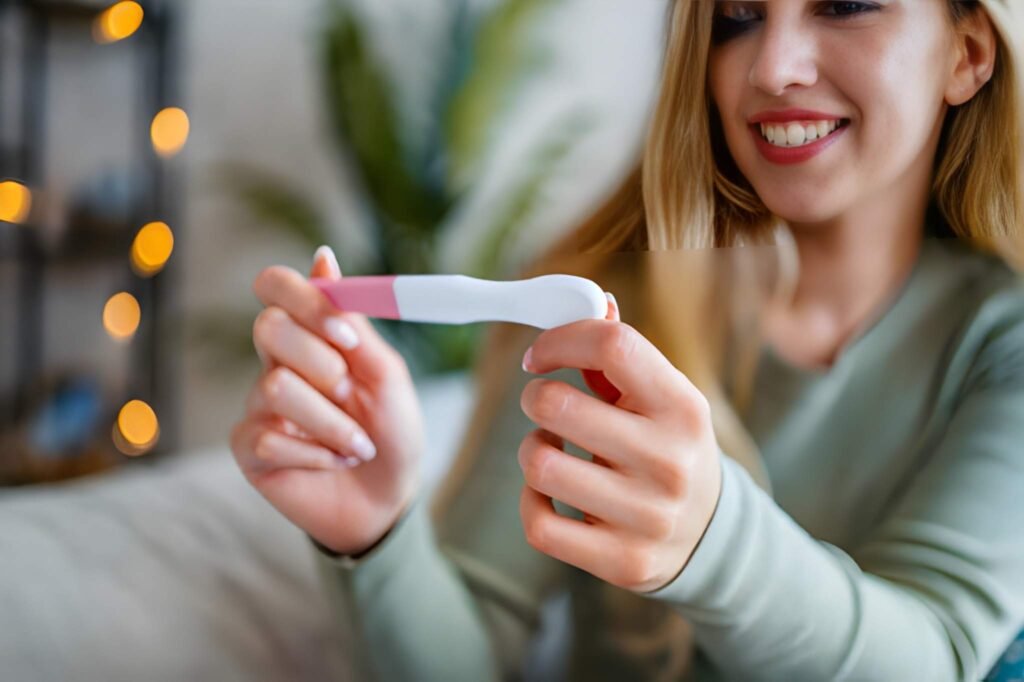
Testing at 3 DPO guarantees a negative result. Medically, there is no risk, but it wastes money and increases unnecessary anxiety. Waiting until at least 12 DPO is recommended for sensitive tests, and waiting until the day of the missed period (around 14 DPO) yields the most reliable results.
Symptoms at 3 DPO: Progesterone, Not Pregnancy
It is common to notice physical sensations or changes as early as 3 DPO, but these are not early pregnancy symptoms. They are entirely attributable to the hormonal shifts of the **luteal phase** of the menstrual cycle, which occurs whether or not a pregnancy is successfully established.
The Rise of Progesterone
After ovulation, the ruptured follicle transforms into the corpus luteum, which immediately begins producing high levels of **progesterone**. Progesterone is the master hormone of the luteal phase; its role is to thicken and enrich the uterine lining. This hormone is the direct cause of almost every symptom experienced between 1 DPO and the start of the period:
- Breast tenderness and sensitivity.
- Fatigue or increased sleepiness.
- Mild cramping or "twinges" (from the corpus luteum or normal uterine activity).
- Nausea or increased appetite.
Since progesterone rises in every single cycle post-ovulation, these sensations are indistinguishable from premenstrual syndrome (PMS) symptoms.
Common Hormonal Discomfort: Understanding the Sensations
The subtle aches or fullness felt at 3 DPO are often magnified by hope, but they have physiological explanations rooted in the normal cycle mechanics.
Bloating and Digestive Slowdown
Progesterone acts as a smooth muscle relaxant, slowing down the digestive tract. This relaxation leads to constipation, gas retention, and abdominal bloating, which is frequently mistaken for early uterine swelling. Bloating begins shortly after ovulation and may persist until the period starts.
Cramping Source
Any light cramping felt at 3 DPO is not related to implantation, which occurs much later. Potential sources of early luteal phase cramping include the initial collapse of the follicle that released the egg, or the continued thickening of the uterine lining under the influence of rising progesterone.
The Accurate Testing Window: Maximizing Reliability
Patience is the single most important factor for accurate testing. Waiting allows the biological timeline to advance to the point where an accurate result is even possible.
| DPO Timeline | Biological Status | Test Accuracy |
|---|---|---|
| 3 - 5 DPO | Embryo dividing in fallopian tube (Morula/Blastocyst). No hCG production. | **0 percent accurate.** Guarantee of negative result. |
| 6 - 8 DPO | Implantation begins. First trace amounts of hCG in blood. | Less than 15 percent accurate (HPT). Blood test may detect trace amounts. |
| 10 - 12 DPO | HCG levels rising rapidly. | 50-80 percent accurate with highly sensitive HPT. |
| 14 DPO (Missed Period) | HCG levels high enough to be detected by most standard tests. | **99 percent accurate.** The definitive time to test. |
Strategies for Managing the Two Week Wait
The nine to eleven days remaining between 3 DPO and the accurate testing window are emotionally challenging. Redirecting focus is crucial for mental well-being.
Focus on Controllable Factors
- Maintain Wellness: Continue taking prenatal vitamins and prioritize moderate, enjoyable exercise (e.g., walking or swimming) to manage stress and improve circulation.
- Distraction Techniques: Schedule activities that require mental focus (e.g., a challenging hobby, a project, or social activities) to minimize the urge to obsess over symptoms.
- Hydration and Diet: Support your body's intense hormonal work by staying well-hydrated and consuming nutrient-dense, whole foods.
Commit to a firm testing date, preferably 14 DPO, and remove all pregnancy tests from your immediate sight. Treating the days between 3 DPO and 14 DPO as the normal, progesterone-driven luteal phase, rather than constantly searching for pregnancy signs, preserves mental energy and reduces disappointment.