The 55 cm Pregnancy Ball: Sizing, Safety, and Essential Prenatal Uses
Optimizing Comfort and Pelvic Health with Proper Birthing Ball Sizing
Table of Contents
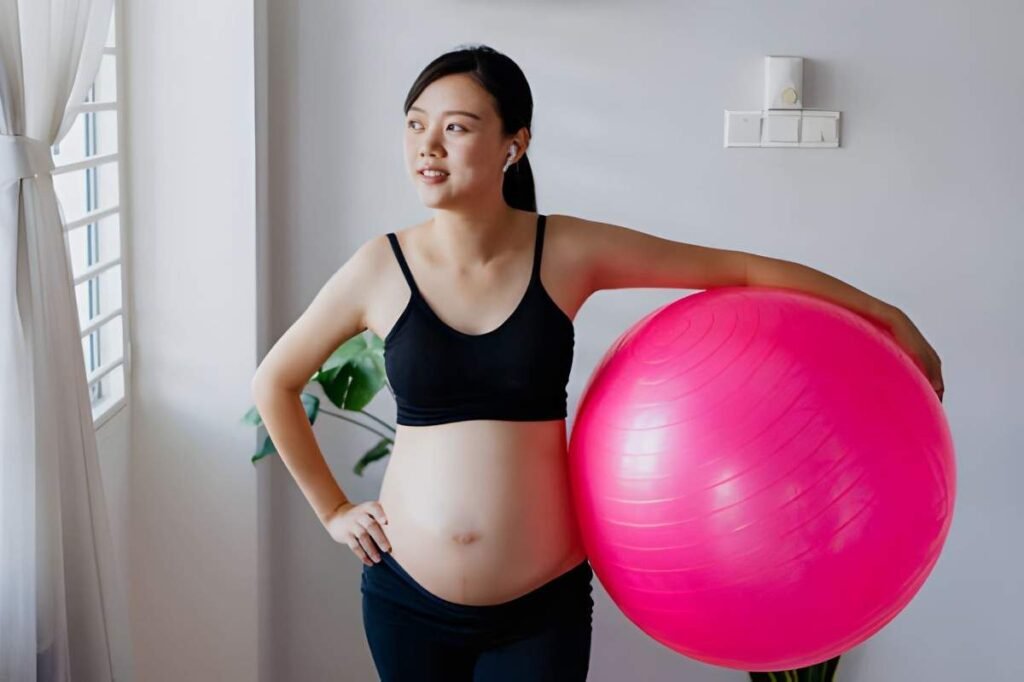
A pregnancy or birthing ball is one of the most versatile and highly recommended tools for managing comfort, maintaining core strength, and facilitating optimal fetal positioning throughout gestation and labor. However, the effectiveness and safety of the ball depend entirely on selecting the correct size. The 55 cm ball is one of the smallest sizes commonly available, indicating it is specifically designed for individuals of shorter stature. Understanding the precise relationship between maternal height and ball diameter ensures that the ball supports, rather than strains, the body.
Why Correct Sizing is Crucial for Safety
The core principle of pregnancy ball sizing relates to the angle of the hips when sitting. For the ball to properly align the pelvis, encourage good posture, and allow the uterine weight to distribute comfortably, the hips must sit slightly higher than the knees. This open angle is crucial for maintaining pelvic floor relaxation and encouraging the fetus to settle into an anterior (front-facing) position, which is ideal for labor.
The 90-Degree Rule
When you sit squarely on the correctly sized and fully inflated pregnancy ball, your knees should form an angle slightly wider than 90 degrees, ensuring your hips are elevated approximately 4 to 6 inches above your knees. A ball that is too small (e.g., a person over 5’4” using a 55 cm ball) will cause the knees to rise above the hips, collapsing the pelvic angle, stressing the lower back, and restricting fetal positioning.
The 55 cm Ball: Who is it For?
The 55 cm size is designated for individuals of short stature, ensuring they achieve the necessary hip-to-knee angle without straining to reach the floor or collapse their pelvis.
Recommended Maternal Height Range
The **55 cm pregnancy ball** is typically recommended for individuals who are **5 feet 2 inches (157 cm) or shorter** in height. If you fall into this height category, selecting the 55 cm ball is essential to prevent strain and maximize the therapeutic benefits of the ball during the second and third trimesters.
| Maternal Height (Approx.) | Recommended Ball Diameter | Key Reason |
|---|---|---|
| Under 5' 2" (157 cm) | 55 cm | Ensures the hips are above the knees; prevents back strain. |
| 5' 3" to 5' 7" (160–170 cm) | 65 cm | The standard, most common size. |
| 5' 8" to 6' 1" (173–185 cm) | 75 cm | Required to elevate the hips sufficiently. |
Interactive Ball Sizing Guide
Use this tool to input your height and receive the clinically recommended ball size. This personalized guidance ensures safety and effectiveness.
Find Your Perfect Pregnancy Ball Size (55 cm check)
Prenatal Uses: Comfort and Alignment (Second and Third Trimester)
Using the properly sized 55 cm ball provides significant relief from common musculoskeletal discomforts associated with pregnancy.
Lower Back Pain and Sciatica Relief
Sitting on the ball forces micro-movements to maintain balance, gently activating the core muscles (transversus abdominis) and improving circulation in the lower back and pelvic floor. Instead of rigid chairs that increase lumbar pressure, the ball allows for subtle pelvic tilting and rolling, which alleviates pressure on the sciatic nerve and reduces chronic lower back strain.
Optimal Fetal Positioning (OFP)
The forward tilt naturally encouraged by sitting on the ball helps counteract the tendency to slouch on a sofa. Maintaining this posture encourages the fetus to settle into an anterior position—where the baby's back faces the mother's abdomen. This is the optimal starting position for labor, potentially leading to shorter and less painful deliveries.
Labor Uses: Pain Management and Positioning
The 55 cm ball transitions seamlessly into the labor and delivery room, providing valuable support for non-pharmacological pain management.
Facilitating Dilation and Fetal Descent
During the early and active stages of labor, sitting on the ball allows gravity to assist the baby's descent into the pelvis. Gentle movements such as figure-eights, slow bouncing, or circular pelvic rolls can:
- Provide counter-pressure against contractions.
- Help distract the mind from pain intensity.
- Gently widen the pelvic outlet, facilitating cervical dilation and fetal positioning.
Partner and Positional Support
The ball can also be used in kneeling positions where the pregnant individual leans their chest or arms over the ball for support, relieving pressure on the back during contractions while the partner applies counter-pressure or massage to the lower back.
Safety, Maintenance, and Inflation
Regardless of size, always purchase a high-quality stability ball explicitly labeled as "anti-burst" or "burst-resistant."
Inflation and Stability
A ball that is under-inflated will be too soft and low, causing the hips to drop below the knees, undermining the benefits. Always ensure the 55 cm ball is inflated to its full specified diameter. When sitting, maintain a slightly wide stance with both feet planted firmly on the floor. This wide base provides the necessary stability to prevent falls and allows for safe, repetitive movement.
Summary: Maximizing the 55 cm Tool
The 55 cm pregnancy ball is an invaluable, targeted tool for individuals who are 5’2” and under, ensuring optimal posture and pelvic alignment throughout pregnancy and delivery. Its use mitigates common back pain, aids in preparing the fetus for birth, and offers an active form of pain management during labor. By correctly sizing and consistently using the ball for gentle movement and sitting, you proactively support your physical comfort and preparation for a smoother birth experience.