A clinical guide to the implications of A-positive and A-negative blood types, the necessity of Rhogam administration, and routine maternal screening.
Article Navigation
- The A-Positive Pregnancy: Standard Monitoring
- The A-Negative Pregnancy: Understanding Rh Incompatibility
- The Sensitization Process: Why the First is Usually Safe
- Clinical Management: The Rhogam Protocol
- Antibody Screening: Coombs Test and ABO Incompatibility
- Socioeconomic Context: Rhogam Access and Cost
- Confident Management of Blood Type Risk
The A-Positive Pregnancy: Standard Monitoring
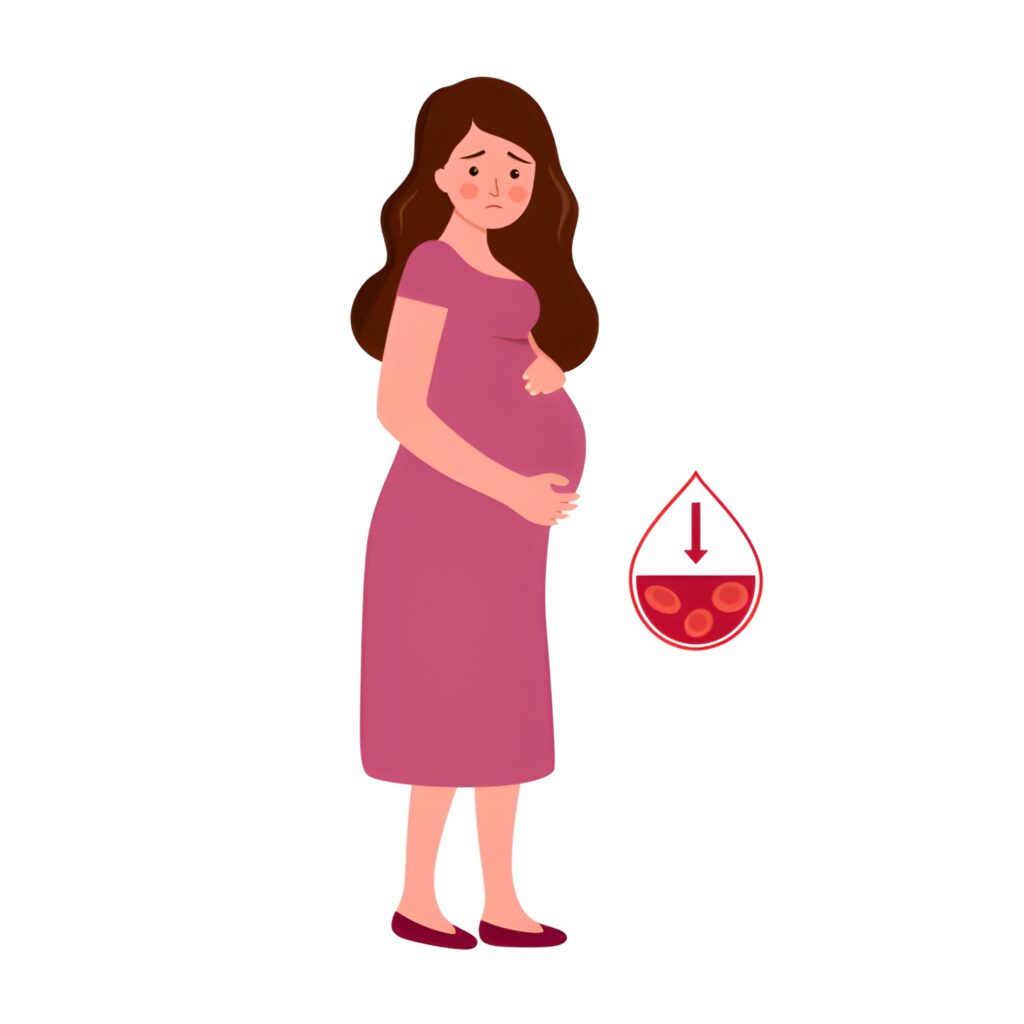
Blood Type A is one of the most common blood groups globally. When the mother is **A-positive** (A+), it means her red blood cells carry the A antigen and the Rh (D) antigen. From a clinical perspective, A-positive status involves standard monitoring and presents no unique risks related to Rh incompatibility.
Standard Blood Volume and Iron Management
The physiological demands of any pregnancy require the maternal body to increase its blood volume by up to 50 percent. Regardless of the ABO type, this expansion necessitates consistent monitoring for **physiologic anemia**.
The mother’s A+ status simply means the routine prenatal checks—which include complete blood counts (CBCs) in the first and third trimesters to check hemoglobin and ferritin levels—can proceed without the added concern of Rh management. Dietary and supplemental iron intake remains a primary focus to support the doubled demands of blood cell production and prevent maternal fatigue and adverse fetal outcomes.
The A-Negative Pregnancy: Understanding Rh Incompatibility
When a mother is **A-negative** (A-), it means her blood cells carry the A antigen but lack the Rh (D) antigen. This status is the primary factor that elevates a pregnancy to a higher-risk category, as it creates the potential for **Rh incompatibility** with an Rh-positive fetus.
Understanding the Rh System (D Antigen)
The Rh factor is a protein on the surface of red blood cells. If the mother is Rh-negative (A-, O-, B-, AB-) and the father is Rh-positive, the fetus has a 50 percent or greater chance of inheriting the Rh-positive status from the father. If the mother is A- and the fetus is A+, the stage is set for potential maternal sensitization.
The Sensitization Process: Why the First is Usually Safe
Sensitization occurs when the Rh-negative mother is exposed to Rh-positive fetal red blood cells. This exposure rarely happens during the pregnancy itself, as the maternal and fetal blood supplies are typically kept separate by the placenta.
The mixing of blood most often occurs during the trauma of childbirth, miscarriage, ectopic pregnancy, or invasive procedures like amniocentesis. During this blood mixing, the mother’s immune system recognizes the fetal Rh factor as foreign and creates antibodies to attack it. Because this antibody creation takes time, the first pregnancy involving an Rh-positive baby is usually unharmed. Subsequent pregnancies with Rh-positive babies, however, face major risk because the maternal antibodies are already circulating and can cross the placenta to attack and destroy the baby’s red blood cells, causing severe fetal anemia and jaundice (Hemolytic Disease of the Fetus and Newborn, or HDFN).
Clinical Management: The Rhogam Protocol
The prevention of sensitization is achieved through the administration of **Rhogam (Rho(D) immune globulin)**. Rhogam is a specialized immune globulin that works by destroying any fetal Rh-positive red blood cells that may have entered the maternal bloodstream before the mother's immune system has time to build her own harmful antibodies.
Standard Rhogam Administration Schedule
For all Rh-negative mothers (including A-), Rhogam is administered prophylactically (preventatively) at two specific points during a pregnancy with an Rh-positive partner, regardless of fetal blood type status.
Table: Rhogam Administration Schedule for Rh-Negative Mothers
| Timing/Event | Dosage | Rationale |
|---|---|---|
| Prophylaxis (Routine) | 300 micrograms (mcg) | Administered at 28 weeks gestation to protect against silent sensitization in the third trimester. |
| Post-Partum | 300 micrograms (mcg) | Administered within 72 hours of delivery IF the newborn tests Rh-positive. |
| Invasive Procedure | 300 micrograms (mcg) | Required after amniocentesis, miscarriage, ectopic pregnancy, or trauma to the abdomen. |
The Postpartum Rh Check
Immediately following delivery, the baby's cord blood is tested to determine its Rh status.
- If Baby is Rh-Negative: The mother is safe, and no further Rhogam is necessary, as there has been no sensitizing exposure.
- If Baby is Rh-Positive: The mother receives the second dose of Rhogam within 72 hours of delivery. This is the final step to clear any fetal blood cells from her circulation, protecting all future Rh-positive pregnancies.
Antibody Screening: Coombs Test and ABO Incompatibility
The initial prenatal blood work for all mothers, including Type A, involves antibody screening to assess the presence of any pre-existing antibodies that could affect the fetus.
Indirect Coombs Test: Screening for Sensitization
The Indirect Coombs Test is performed early in pregnancy for all Rh-negative women. It checks the mother’s blood serum for circulating anti-Rh antibodies. A negative result means the mother has not been sensitized and the pregnancy is safe from HDFN (provided Rhogam is administered correctly). A positive result means sensitization has already occurred, and the pregnancy requires intensive monitoring by a maternal-fetal medicine specialist to monitor the fetus for anemia.
- Indirect Coombs Test: Checks the mother's blood for circulating antibodies. Done during the pregnancy.
- Direct Coombs Test: Checks the newborn's blood after delivery for antibodies already attached to the baby's red blood cells. This confirms if the baby has HDFN due to maternal sensitization.
ABO Incompatibility: A Less Severe Risk (Type A and O)
While Rh incompatibility is the major risk factor, ABO incompatibility can occur if a mother with Type O blood carries a Type A or Type B baby. Since the query is about Type A mothers, this risk is significantly lower unless the baby's father is Type B or Type O and the mother has Type A. Type A mothers typically do not face severe ABO incompatibility issues unless they are Type O carriers themselves (rare) or have non-standard antibodies. Overall, ABO incompatibility is far less common, usually milder, and rarely causes severe HDFN compared to Rh incompatibility.
Socioeconomic Context: Rhogam Access and Cost
Rhogam is a critical, life-saving medication, but its cost and administration logistics must be managed proactively, particularly in the US healthcare system.
Insurance and the High Cost of Immunoglobulin Therapy
Rhogam is a blood product derived from human plasma and is expensive, often costing several hundred to over a thousand dollars per dose without insurance.
Under most insurance plans, the administration of Rhogam is fully covered, as it is a mandatory preventative measure designed to prevent a severe disease (HDFN) that would otherwise require extremely expensive neonatal care (blood transfusions, NICU stay).
If a mother requires three prophylactic Rhogam doses (two prenatal, one postpartum) and the cost per dose is $500:
Total Doses: 3
Cost per Dose (Estimate): $500
Total Uninsured Cost = 3 times $500 = $1,500
This high cost necessitates confirming coverage early, typically in the first trimester, to avoid unexpected financial burden.
Confident Management of Blood Type Risk
The vast majority of pregnancies involving a Type A mother proceed routinely, especially if the mother is A-positive. For the A-negative mother, the risk of Rh incompatibility requires careful and confident management, but the risk is highly preventable. By understanding the sensitization process, ensuring the timely administration of Rhogam at 28 weeks and postpartum, and utilizing the Coombs test to screen for antibodies, the healthcare team successfully mitigates the risk of Hemolytic Disease. Proactive communication and compliance with the schedule transform a potential risk factor into a confidently managed aspect of prenatal care.