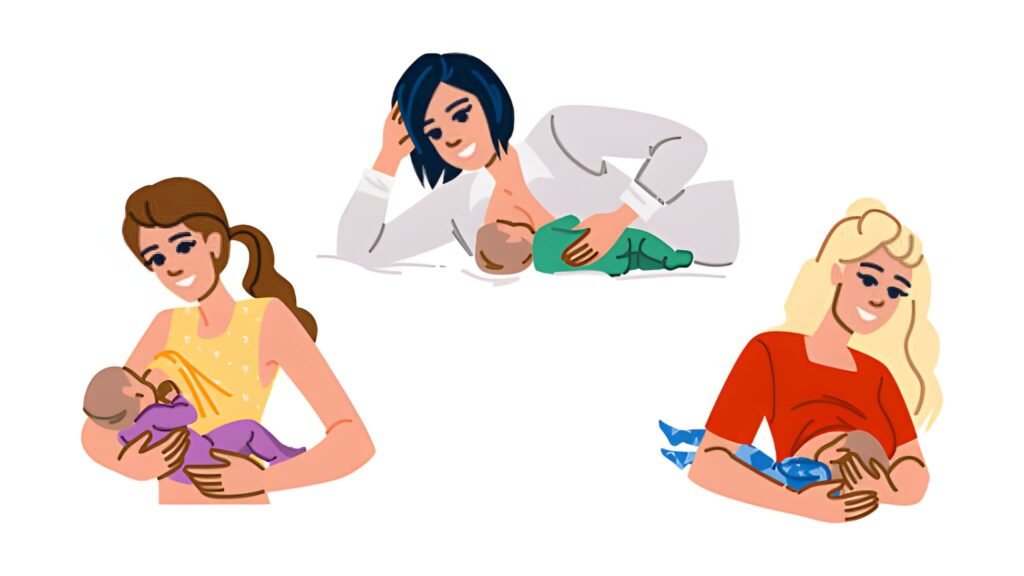
Hormone Harmony: Why Breastfeeding Supply Falters
Breastfeeding is not just a mechanical act; it is a complex endocrinological symphony. Discover how the absence of specific hormones can derail your lactation journey and how to restore biological balance.
Prolactin: The Manufacturing Engine of Lactation
Lactation begins with a primary manufacturing hormone: prolactin. Secreted by the anterior pituitary gland, prolactin serves as the direct architect of milk production. During pregnancy, prolactin levels rise significantly, but high levels of progesterone inhibit actual milk synthesis until after the delivery of the placenta.
A lack of sufficient prolactin—or a failure in the prolactin feedback loop—is the most direct hormonal cause of low milk supply (hypogalactia). This hormone operates on a supply-and-demand basis. Every time an infant latches or a pump is used, sensory nerves in the nipple send a signal to the brain, triggering a surge in prolactin. This surge tells the alveoli (milk-producing sacs in the breast) to create milk for the next feeding.
Oxytocin: The Delivery Mechanism
While prolactin makes the milk, oxytocin moves it. Often called the "love hormone" or "bonding hormone," oxytocin is responsible for the let-down reflex (milk ejection reflex). Produced in the hypothalamus and released by the posterior pituitary, oxytocin causes the tiny muscles around the milk-producing alveoli to contract, squeezing the milk into the ducts and toward the nipple.
A deficiency in oxytocin, or a blockage of its release, prevents the infant from accessing the milk that prolactin has already produced. You may have full breasts, but if the oxytocin signal is weak, the milk remains trapped. This leads to infant frustration, poor weight gain, and eventual supply decrease as the breast remains unemptied.
Prolactin
Role: Production
Stimulates the mammary glands to synthesize milk components (lactose, proteins, fats).
Signs of Deficiency: Breasts never feel "full," minimal output even with frequent pumping, delayed milk "coming in" post-birth.
Oxytocin
Role: Ejection
Causes the contraction of myoepithelial cells to push milk out of the manufacturing centers.
Signs of Deficiency: Full breasts that don't empty, baby pulls away crying, no tingling sensation or "let-down" feeling.
The Inhibitors: Estrogen and Progesterone
Breastfeeding success often depends as much on the absence of certain hormones as it does on the presence of others. During pregnancy, high levels of estrogen and progesterone develop the breast tissue but actively block prolactin from starting the milk factory.
The clinical trigger for lactation is the sudden drop in these "inhibitor" hormones following the delivery of the placenta. If this drop is incomplete or delayed, breastfeeding trouble begins immediately.
Case Study: The Retained Placenta
If even a microscopic fragment of the placenta remains inside the uterus (retained products of conception), the body continues to receive signals that it is still "partially pregnant." This keeps progesterone levels high enough to block the prolactin surge. If a mother’s milk has not "come in" by Day 4 or 5, clinicians must investigate the possibility of retained tissue, as this hormonal blockage is a physical barrier that no amount of pumping can overcome.
Cortisol: The Stress Disruptor
In the modern socioeconomic context, especially in the United States where maternity leave is often short or non-existent, cortisol—the stress hormone—is a primary antagonist of breastfeeding. Cortisol does not necessarily stop milk production, but it is a direct inhibitor of oxytocin.
When the body is in "fight or flight" mode due to pain, exhaustion, or returning to a high-stress workplace, cortisol levels rise. This high cortisol suppresses the release of oxytocin from the brain. The result is a stalled let-down reflex. This creates a vicious cycle: the mother feels stressed about her supply, which raises cortisol, which further blocks oxytocin, leading to even less milk being ejected.
The Biological Triage Logic
The human brain prioritizes survival over reproduction. If the brain perceives a threat (indicated by high cortisol), it assumes the environment is unsafe for a vulnerable infant. It responds by restricting the "expensive" energetic process of milk delivery. Lowering cortisol through rest, skin-to-skin contact, and social support is a medical requirement for restoring oxytocin flow.
Clinical Hypothyroidism and PCOS
Underlying endocrine disorders are frequently overlooked in breastfeeding troubleshooting. The entire metabolic system must be optimized for the body to sustain the high energy demand of milk production.
| Hormonal Condition | Mechanism of Disruption | Common Symptoms |
|---|---|---|
| Hypothyroidism | Low thyroid hormone (T3/T4) slows the metabolic rate of mammary cells, reducing milk synthesis. | Extreme fatigue beyond "new mom" tired, brittle hair, feeling cold, low supply. |
| PCOS | Androgen dominance and insulin resistance can interfere with the development of glandular breast tissue. | Irregular cycles, history of fertility issues, minimal breast changes during pregnancy. |
| Sheehan’s Syndrome | Severe blood loss during birth starves the pituitary gland, preventing the release of all lactation hormones. | Total absence of milk production, low blood pressure, severe postpartum malaise. |
The Emerging Role of Insulin
Recent research highlights insulin as a key player in the lactation symphony. Mammary glands become highly sensitive to insulin during the breastfeeding period. Insulin works in tandem with prolactin and cortisol (in low levels) to turn on the genes responsible for making milk.
For mothers with Type 2 diabetes or gestational diabetes, insulin resistance can lead to a significant delay in the onset of full milk production (Lactogenesis II). If insulin cannot effectively "unlock" the mammary cells, the production phase is sluggish. This underscores the need for tight blood sugar management and nutritional support in the early weeks postpartum to ensure the hormonal gates are open.
Restoration and Support Pathways
Restoring hormonal balance requires a multi-faceted approach that addresses both biological needs and the mother's environmental stressors.
Prolactin Restoration: Focus on frequent, effective milk removal. This means 8–12 sessions in 24 hours. Ensure your pump flanges are correctly sized; a poor fit can fail to stimulate the nerves required for the prolactin signal.
Oxytocin Restoration: Prioritize skin-to-skin contact. Undressing the baby and placing them on your bare chest triggers an immediate surge in oxytocin. Use warmth (heating pads) and massage before pumping to assist the let-down reflex.
If supply remains low despite optimal latch and frequency, request a full Thyroid Panel (TSH, Free T4) and a Prolactin level check from your primary care provider. If a retained placenta is suspected due to ongoing heavy bleeding, an ultrasound is mandatory. In some cases, a physician may prescribe Galactagogues (like Domperidone or Metoclopramide) to artificially raise prolactin levels, though these require careful medical supervision.
The US Socioeconomic Context: PUMP Act and Rights
In the United States, hormonal breastfeeding challenges are often exacerbated by the lack of structural support. The PUMP for Nursing Mothers Act provides critical legal protections for most employees to have time and private space to pump. If you are returning to work, knowing your rights is a health imperative. Stressing about "getting in trouble" for pumping raises cortisol, which directly kills your supply. Securing your workplace rights allows your body to remain in the parasympathetic (relaxed) state required for oxytocin release.
Specialist Summary: You are a Biological System
Breastfeeding trouble is rarely a personal failure; it is usually a signal that your biological system is out of equilibrium. Whether it is a lack of prolactin from infrequent sessions, a block of oxytocin from high cortisol, or an underlying metabolic issue like hypothyroidism, the solution lies in identifying the specific hormonal missing link. By prioritizing rest, seeking clinical screening for endocrine health, and utilizing support systems like WIC and lactation specialists, you can often restore the harmony required for a successful breastfeeding journey.