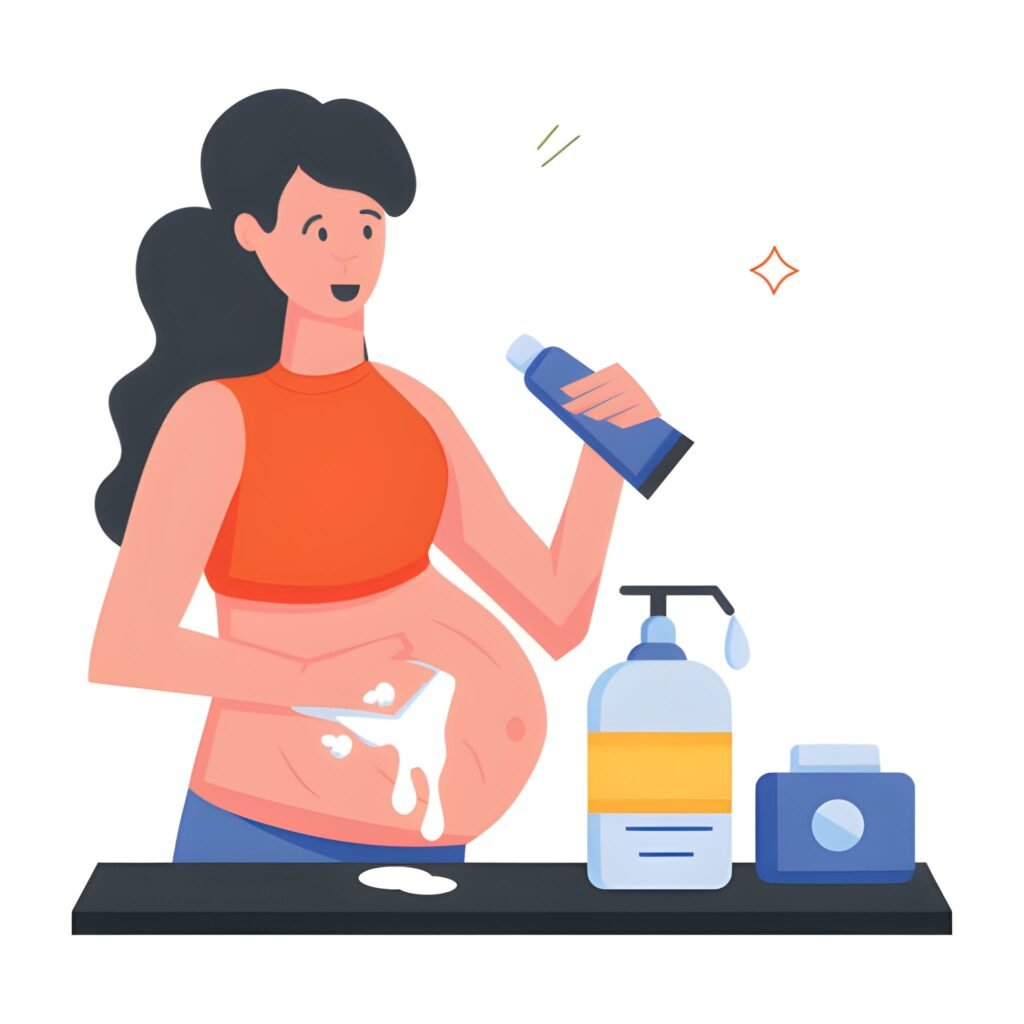
Lactation Skincare Protocol
A Comprehensive Specialist Analysis of Topical Ingredients
Systemic Absorption Dynamics
A common misconception suggests that topical products remain localized on the skin surface. Clinical data proves that several low-molecular-weight lipophilic compounds readily penetrate the stratum corneum, enter the dermal capillaries, and reach the maternal bloodstream. Once in the blood, these substances can transfer into the mammary glands through passive diffusion.
The infant’s metabolism is significantly less developed than an adult’s, making them more vulnerable to even trace amounts of chemicals. Factors such as skin integrity (broken skin absorbs more), the surface area of application, and the frequency of use dictate the total systemic load. As a mother and child specialist, I advise prioritizing ingredients with high molecular weights or those with extensive safety records in human clinical trials.
Ingredients to Avoid Immediately
Certain ingredients pose a clear and documented risk, or possess enough molecular potential for harm that clinical avoidance is the standard recommendation during lactation.
Used to treat melasma or "pregnancy mask," hydroquinone has a remarkably high systemic absorption rate of nearly 45%. Because its effect on the nursing infant is unknown and its absorption is so high, I recommend complete cessation until weaning. Its chemical structure is associated with potential ochronosis and metabolic stress.
While low-concentration over-the-counter washes (under 2%) are generally considered safe, high-concentration chemical peels or leave-on treatments pose a risk. Salicylic acid is related to aspirin; excessive systemic absorption can lead to salicylate toxicity in infants, a rare but severe complication.
Look for labels containing Diazolidinyl urea, DMDM hydantoin, or Imidazolidinyl urea. These preservatives slowly release formaldehyde, a known carcinogen. While the amounts are small, the cumulative exposure during the frequent skin-to-skin contact of breastfeeding makes these unsuitable for postpartum use.
The Retinoid Controversy: Retinol and Tretinoin
Retinoids (Vitamin A derivatives) are the gold standard for acne and anti-aging, but they remain the most debated category in lactation safety. During pregnancy, oral retinoids are strictly contraindicated due to their teratogenic (birth defect-causing) effects.
Precautionary Principle
Topical absorption of over-the-counter retinol or prescription tretinoin is relatively low (between 5% and 10%). While there are no documented cases of topical retinoids causing harm to a nursing infant, the medical community largely applies the precautionary principle. Because Vitamin A is essential for infant development, excessive exogenous sources could theoretically disrupt the infant's natural levels. I advise clients to substitute retinoids with botanical alternatives like bakuchiol during this window.
Chemical vs. Mineral Sunscreens
Daily sun protection is mandatory, especially for those managing melasma. However, the mechanism of the filter determines its safety for breastfeeding parents.
| Filter Type | Common Ingredients | Absorption & Safety Profile |
|---|---|---|
| Chemical Filters | Oxybenzone, Avobenzone, Octinoxate | Avoid Found in breast milk; potential endocrine disruptors. |
| Mineral Filters | Zinc Oxide, Titanium Dioxide | Safe Not absorbed into the bloodstream; sits on skin surface. |
| Hybrids | Varies by brand | Caution Check for the absence of Oxybenzone specifically. |
Ingredient Safety Checker
Select an ingredient to see the specialist's verdict:
Effective Safe Alternatives
Avoiding high-risk ingredients does not mean sacrificing skin health. Modern dermatology offers several potent, breastfeeding-safe alternatives that address common concerns like acne, pigment, and fine lines.
1. Bakuchiol: The Botanical Retinol Alternative
Bakuchiol is a plant-derived antioxidant that mimics the effects of retinol by stimulating collagen and accelerating cell turnover. Crucially, it does not share the chemical structure of Vitamin A, making it the preferred anti-aging choice for nursing parents.
2. Azelaic Acid: The Acne and Melasma Hero
Azelaic acid is a naturally occurring yeast that is highly effective for both inflammatory acne and hyperpigmentation. It is widely regarded as safe during pregnancy and lactation. It helps clear the "pregnancy mask" without the risks associated with hydroquinone.
3. Glycolic and Lactic Acids (AHAs)
Alpha-hydroxy acids derived from sugar cane (glycolic) or milk (lactic) are effective exfoliants. When used in standard concentrations (10% or less), they provide excellent surface resurfacing with minimal systemic absorption. They are superior to high-strength BHAs for the breastfeeding parent.
Final Clinical Summary: The Specialist's Protocol
Managing your skincare during the nursing phase requires a shift from aggressive correction to gentle maintenance. The most effective protocol for a breastfeeding parent includes:
- Verification: Audit your current shelf. Remove any products containing Retinol, Tretinoin, Oxybenzone, or Hydroquinone.
- Physical Barriers: Prioritize mineral-based sunscreens. These provide broader protection without the systemic hormonal concerns of chemical filters.
- Avoid Area Contamination: Do not apply any skincare products—even "safe" ones—directly to the areola or breast area where the infant’s mouth will make contact. Wash hands thoroughly after applying medicated topicals.
- Patch Testing: Postpartum skin is often hyper-reactive due to low estrogen levels. Always patch test new "safe" products on the inner arm for 48 hours before full-face application.
- Professional Guidance: If you struggle with severe dermatological conditions, consult a dermatologist who coordinates with your pediatrician. Specialized compounding can often provide the lowest effective dose for safety.
By following these guidelines, you effectively bridge the gap between self-care and infant safety. The first year of your child's life is a period of rapid endocrine and neurological development; ensuring your skincare routine supports this growth is a vital part of the maternal journey.