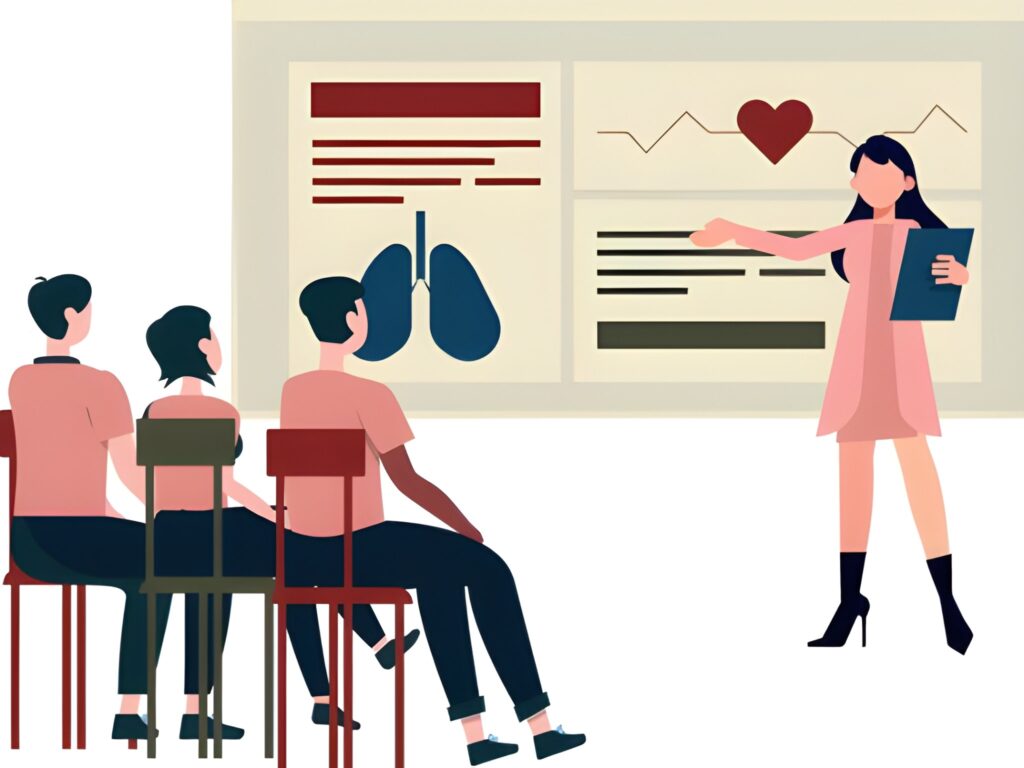
Patient education is a fundamental component of modern healthcare. It bridges the gap between medical professionals and patients by ensuring that individuals understand their diagnoses, treatment plans, and preventive measures. A primary purpose of patient education is to empower individuals to manage their health effectively, thereby improving outcomes, reducing healthcare costs, and promoting overall well-being. This purpose reflects a broader shift in healthcare—from a system where patients passively received instructions to one where patients are active participants in their own care.
The Foundation of Patient Education
Patient education emerged as a formal concept in the mid-20th century, alongside growing recognition that informed patients experienced better recovery and adherence rates. Before structured education, patients often relied on doctors’ brief instructions and limited pamphlets, which left many confused or noncompliant. As chronic diseases such as diabetes, heart disease, and asthma became more common, healthcare systems realized that long-term management required engaged, knowledgeable patients.
The Primary Purpose Explained
The central purpose of patient education is to provide individuals with the knowledge, skills, and confidence they need to take charge of their health. This includes:
- Understanding medical conditions – Patients learn what their diagnoses mean and how they affect the body.
- Following treatment plans – Education ensures patients know how and why to take medications, attend follow-ups, and pursue therapies.
- Preventing complications – Knowledge about risk factors, diet, exercise, and monitoring reduces hospital readmissions.
- Promoting independence – Patients are less dependent on constant medical supervision when they understand self-care practices.
Core Objectives of Patient Education
Although empowerment is the primary purpose, patient education serves several interconnected objectives:
- Improving adherence: Patients are more likely to follow instructions when they understand the rationale behind them.
- Reducing anxiety: Clear explanations help alleviate fear and confusion about illnesses and treatments.
- Enhancing decision-making: Informed patients can make choices aligned with their values and lifestyles.
- Supporting health promotion: Education encourages preventive behaviors, such as vaccinations, screenings, and lifestyle changes.
- Lowering healthcare costs: Effective education reduces emergency visits, complications, and hospital stays.
Perspectives on Patient Education
Different stakeholders view patient education through unique lenses.
Healthcare Providers’ Perspective
Doctors, nurses, and allied professionals see education as an essential tool for improving compliance and outcomes. They assume that time spent teaching patients will reduce future complications.
Patients’ Perspective
Patients often value education because it makes them feel respected and included in decisions about their care. However, they may also feel overwhelmed if the information is not delivered clearly.
Families’ Perspective
Families, especially caregivers, rely on education to manage chronic illnesses at home. They benefit from instructions on medication schedules, dietary restrictions, and emergency responses.
System Perspective
Health systems and insurers view patient education as a cost-effective intervention. Fewer hospital readmissions, shorter stays, and better chronic disease management all translate into financial savings.
Comparison of Traditional vs. Modern Patient Education
| Aspect | Traditional Approach | Modern Approach |
|---|---|---|
| Delivery | Doctor-centered, one-way communication | Collaborative, patient-centered dialogue |
| Tools Used | Verbal instructions, pamphlets | Multimedia, apps, videos, interactive sessions |
| Role of Patient | Passive recipient of advice | Active participant in decision-making |
| Focus | Immediate treatment compliance | Long-term self-management and prevention |
| Outcome | Partial understanding, variable compliance | Greater empowerment, improved outcomes |
Practical Applications of Patient Education
Chronic Disease Management
- Diabetes: Patients learn to monitor blood glucose, adjust diet, and recognize signs of hypoglycemia.
- Asthma: Education covers inhaler techniques, trigger avoidance, and emergency planning.
- Heart disease: Patients are taught about medications, exercise, and diet modification.
Pre- and Post-Operative Care
- Patients receive guidance on wound care, mobility exercises, and medication management.
- Pre-surgical education reduces anxiety and improves recovery compliance.
Preventive Health
- Education encourages healthy behaviors such as vaccination, regular check-ups, and cancer screenings.
- Campaigns on smoking cessation or obesity prevention often rely heavily on patient education.
Evidence Supporting Patient Education
Research strongly supports the effectiveness of patient education.
Data Table: Impact of Patient Education on Outcomes
| Condition | Without Structured Education | With Structured Education |
|---|---|---|
| Diabetes | Poor glycemic control, frequent complications | Improved blood sugar control, reduced complications |
| Heart Failure | Higher readmission rates | Reduced hospital readmissions by up to 30% |
| Asthma | Improper inhaler use, frequent ER visits | Correct use, fewer ER visits, better control |
| Surgical Recovery | Higher complication rates | Faster recovery, fewer complications |
Supporting Studies
- A 2015 study published in Patient Education and Counseling found that education improved medication adherence by 20–30% in chronic disease patients.
- The American Heart Association reports that patient education reduces hospital readmission for heart failure patients by nearly one-third.
Barriers to Effective Patient Education
Despite its importance, patient education faces challenges:
- Health literacy gaps: Many patients struggle to understand medical terminology.
- Time constraints: Busy providers may not spend enough time explaining conditions.
- Cultural differences: Language barriers and cultural beliefs can interfere with comprehension.
- Technology gaps: While online education helps, not all patients have access to digital tools.
Strategies for Effective Patient Education
To achieve its primary purpose, education must be tailored, clear, and engaging. Strategies include:
- Use of plain language – Avoiding jargon ensures comprehension.
- Teach-back method – Asking patients to repeat instructions confirms understanding.
- Visual aids – Charts, diagrams, and videos enhance memory.
- Cultural competence – Adapting content to respect cultural values and language.
- Technology integration – Mobile apps, telehealth sessions, and online portals extend education beyond clinical visits.
Case Study: Patient Education in Diabetes Management
At a community health center in Ohio, patients with type 2 diabetes attended structured workshops on nutrition, exercise, and self-monitoring. Over six months, average HbA1c levels dropped by 1.5%, and hospital visits decreased significantly. Patients reported feeling more confident about managing their condition, highlighting how education directly empowered them to take control of their health.
Broader Social Implications
The primary purpose of patient education extends beyond individuals—it has community-wide benefits:
- Healthier populations reduce strain on healthcare systems.
- Communities with strong educational initiatives show lower prevalence of preventable diseases.
- Public health campaigns such as vaccination drives rely on patient education to achieve herd immunity.
The Future of Patient Education
As healthcare evolves, patient education will become increasingly technology-driven and personalized. Future trends may include:
- Artificial intelligence creating customized education plans based on health records.
- Virtual reality simulations to teach patients complex procedures like insulin injections.
- Gamification to increase engagement in managing chronic conditions.
- Integration with wearable devices to provide real-time feedback on health behaviors.
Conclusion
A primary purpose of patient education is to empower individuals to manage their health effectively. By promoting understanding, adherence, prevention, and independence, education transforms patients into active participants in their care. It reduces complications, improves outcomes, lowers costs, and enhances quality of life. While challenges remain, effective patient education—tailored, clear, and culturally sensitive—stands as one of the most powerful tools in modern healthcare. By embracing this purpose, healthcare systems can move toward a model where knowledge truly is the best medicine.