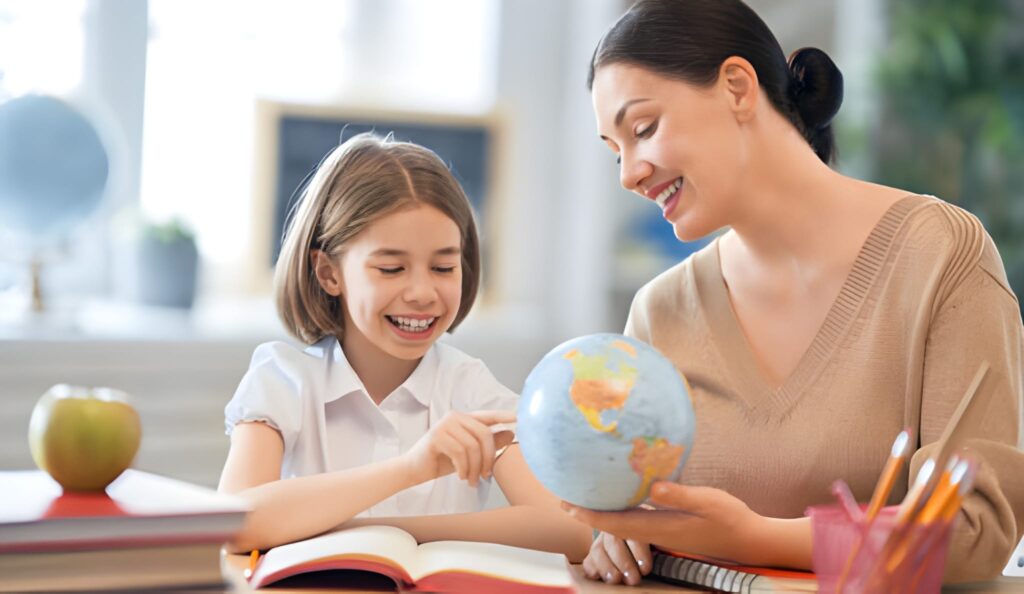
Access to primary education refers to the opportunity for children to enroll in and complete the first stage of formal education, typically covering ages 5 to 11 or 6 to 12, depending on the country. Ensuring access to primary education is a fundamental component of global development goals, as it lays the foundation for literacy, numeracy, and lifelong learning. It also promotes social inclusion, gender equality, and economic mobility.
Importance of Access to Primary Education
Primary education is the first structured learning environment for children, and broad access is crucial for multiple reasons:
- Foundational Learning – Children acquire basic literacy, numeracy, and problem-solving skills.
- Cognitive Development – Early exposure to structured learning enhances brain development and critical thinking.
- Socialization – School environments help children develop interpersonal skills, teamwork, and emotional regulation.
- Equity and Inclusion – Access ensures marginalized populations, including girls and children from low-income families, can participate in education.
- Economic Benefits – Educated children are more likely to achieve higher earning potential as adults, reducing poverty cycles.
Global Initiatives Supporting Access
Various international frameworks aim to expand access to primary education:
| Initiative | Focus | Impact |
|---|---|---|
| UN Sustainable Development Goal 4 (SDG 4) | Ensure inclusive and equitable quality education for all | Increased global enrollment in primary education |
| UNICEF Education Programs | Target marginalized and vulnerable children | Reduced dropout rates and improved literacy |
| Global Partnership for Education (GPE) | Strengthen education systems in developing countries | Improved access, teacher training, and school infrastructure |
Barriers to Access
Despite global progress, many children still face obstacles:
- Socioeconomic Challenges – Poverty can prevent families from affording school fees, uniforms, or materials.
- Geographic Barriers – Rural areas may lack schools, or children may have to travel long distances.
- Gender Inequality – In some regions, cultural norms prioritize boys’ education over girls’.
- Conflict and Displacement – Wars, natural disasters, and migration disrupt schooling.
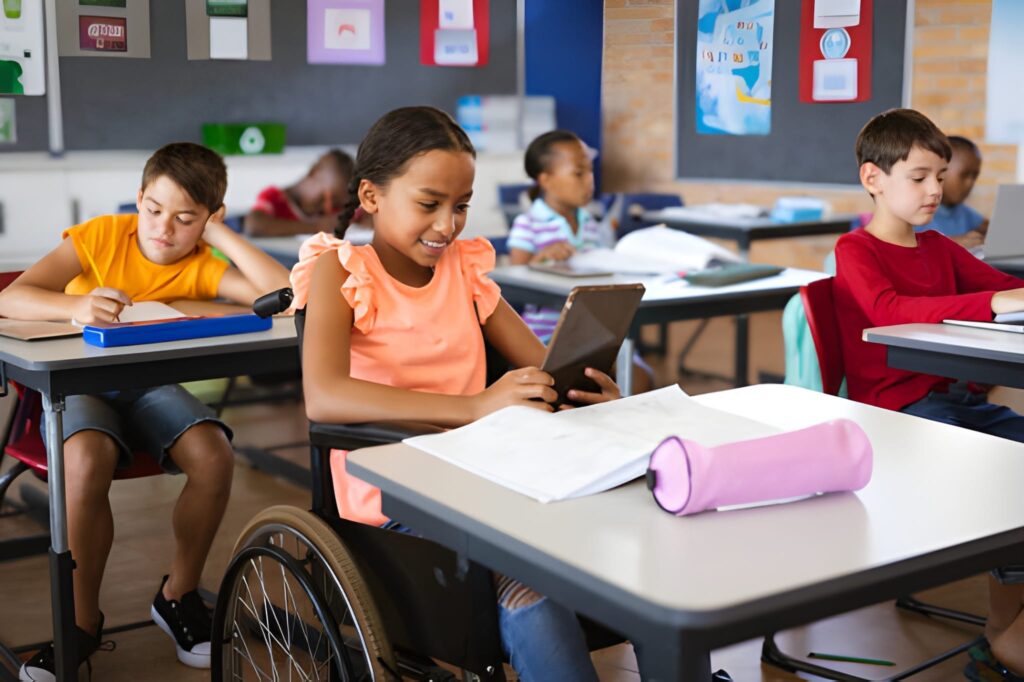
- Disability and Inclusion – Lack of support for children with disabilities limits access.
Table: Global Access to Primary Education Statistics
| Region | Net Enrollment Rate (%) | Notes |
|---|---|---|
| Sub-Saharan Africa | 80% | High dropout rates in rural areas |
| South Asia | 90% | Gender gap closing, but quality varies |
| Latin America & Caribbean | 95% | Near-universal enrollment |
| Europe | 99% | Almost all children access primary education |
| Middle East & North Africa | 92% | Conflicts impact enrollment in certain areas |
Strategies to Improve Access
- Policy Measures – Governments provide free and compulsory primary education.
- Infrastructure Development – Building schools in underserved regions.
- Teacher Training – Recruiting and training qualified teachers to handle larger student populations.
- Financial Support – Scholarships, school meals, and material provisions reduce economic barriers.
- Inclusive Practices – Special programs for girls, children with disabilities, and minority groups.
- Community Engagement – Involving parents and local organizations to encourage school attendance.
Role of Technology
- Digital Learning Platforms – Mobile apps and online resources expand access to quality education in remote areas.
- EdTech Tools – Interactive lessons, virtual classrooms, and e-libraries enhance learning opportunities.
- Monitoring and Data Collection – Track enrollment and attendance to ensure no child is left behind.
Socioeconomic and Cultural Perspectives
- In low-income countries, access often depends on community support and NGO involvement.
- Cultural attitudes toward education, particularly for girls, affect enrollment and retention.
- Economic incentives, such as conditional cash transfers, have been effective in encouraging families to send children to school.
Case Study Examples
- India’s Right to Education Act (2009) – Provides free and compulsory education for children aged 6–14, aiming to improve access and reduce dropout rates.
- Finland – Universal access to primary education with high-quality standards and strong equity policies ensures almost all children attend school.
- Sub-Saharan Africa Programs – Initiatives by UNICEF and GPE provide schools, teacher training, and financial incentives to increase enrollment.
Comparison: Access vs. Quality
| Aspect | Access Focus | Quality Focus |
|---|---|---|
| Goal | Enroll all children in primary school | Ensure effective learning outcomes |
| Metrics | Enrollment rates, attendance | Literacy, numeracy, critical thinking |
| Challenges | Infrastructure, cost, gender disparity | Teacher training, curriculum relevance, classroom resources |
| Solutions | Free school programs, policy enforcement | Curriculum development, teacher professional development |
Conclusion
Access to primary education is a cornerstone of social and economic development. While significant strides have been made globally, challenges remain in ensuring that all children, regardless of gender, location, or socioeconomic status, can attend school and benefit from quality education. Strengthening policies, investing in infrastructure and teacher training, leveraging technology, and fostering inclusive practices are essential steps toward universal access.