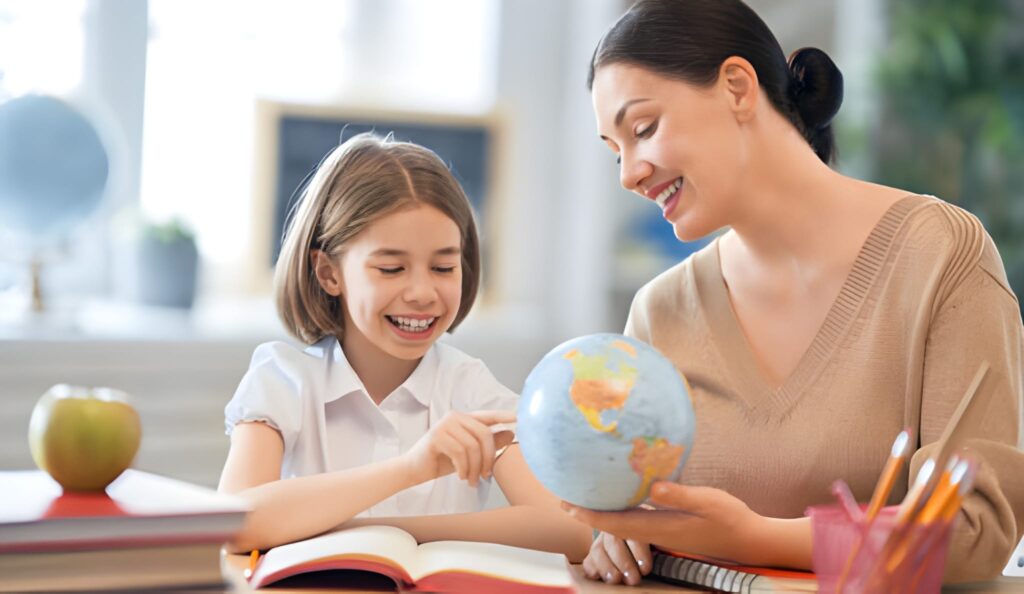
Achieving Universal Primary Education: Global Goals, Strategies, and Challenges
Universal Primary Education (UPE) refers to the goal of ensuring that every child of primary school age has access to free, compulsory, and quality primary education. It is a fundamental right and a cornerstone for sustainable development, social equity, and economic growth. Achieving UPE is essential for building literacy, numeracy, and life skills among children worldwide.
Definition and Scope
Primary Education Age Range: Typically 5–11 years (varies by country).
Universal Access: All children, regardless of gender, socioeconomic status, disability, or location, can attend school.
Quality Education: Ensures not only enrollment but also meaningful learning outcomes in literacy, numeracy, critical thinking, and social skills.
Importance of Universal Primary Education
Foundation for Lifelong Learning: Builds literacy, numeracy, and basic cognitive skills necessary for secondary and tertiary education.
Poverty Reduction: Educated children are more likely to secure employment and improve economic mobility.
Health and Well-being: Education improves awareness of hygiene, nutrition, and health practices.
Gender Equality: Ensures girls have the same access to education as boys, empowering them socially and economically.
Social and Civic Engagement: Educated children are more likely to participate in civic activities and contribute to society.
Table: Benefits of Universal Primary Education
Area
Benefit
Economic
Higher earning potential, poverty reduction
Health
Improved child and maternal health, better nutrition
Social
Reduced crime rates, social cohesion
Gender Equality
Equal opportunities for boys and girls
Civic Engagement
Greater political and social participation
Global Initiatives
Several international frameworks aim to achieve UPE:
Initiative
Focus
Outcome
UN Sustainable Development Goal 4 (SDG 4)
Inclusive and equitable quality education for all
Global increase in enrollment and literacy rates
Education for All (EFA)
Universal primary education, gender equality, and improved learning outcomes
Reduced global out-of-school rates
Global Partnership for Education (GPE)
Strengthening education systems in developing countries
Teacher training, school infrastructure, increased enrollment
UNICEF Education Programs
Access for marginalized children
Increased retention and completion rates
Challenges to Achieving UPE
Socioeconomic Barriers – Poverty, child labor, and lack of school materials prevent attendance.
Geographic Barriers – Children in remote or conflict-affected areas face limited access.
Gender Disparities – Cultural norms and early marriage may prevent girls from attending school.
Quality of Education – Enrollment alone is insufficient if teaching quality is low.
Political and Institutional Barriers – Weak governance and insufficient funding hinder progress.
Table: Global Access to Primary Education Statistics
Region
Net Enrollment Rate (%)
Out-of-School Children (millions)
Sub-Saharan Africa
80%
32
South Asia
90%
17
Latin America & Caribbean
95%
3
Europe
99%
<1
Middle East & North Africa
92%
5
Strategies to Achieve Universal Primary Education
Policy Measures: Governments implement free and compulsory education laws.
Infrastructure Development: Build schools in underserved areas and provide transportation where needed.
Teacher Recruitment and Training: Improve teacher quality to enhance learning outcomes.
Financial Support: Provide scholarships, free textbooks, school meals, and uniforms.
Inclusive Practices: Programs for girls, children with disabilities, and marginalized communities.
Community Engagement: Involving parents, local leaders, and NGOs to promote school attendance.
Monitoring and Accountability: Track enrollment, attendance, and learning outcomes to ensure progress.
Case Studies
Finland: Universal access to primary education with high-quality teaching and inclusive policies has resulted in near 100% literacy rates.
India: The Right to Education Act (2009) mandates free and compulsory primary education for children aged 6–14, increasing enrollment and retention.
Sub-Saharan Africa Programs: UNICEF and GPE initiatives focus on building schools, training teachers, and providing financial incentives, improving access in rural areas.
Measuring Progress
Enrollment Rates: Percentage of children attending primary school.
Completion Rates: Proportion of children completing the full cycle of primary education.
Learning Outcomes: Literacy, numeracy, and critical thinking assessed through standardized tests.
Equity Indicators: Gender parity and inclusion of marginalized groups.
Comparison: Enrollment vs. Learning Outcomes
Metric
Importance
Challenges
Enrollment
Ensures access for all children
Physical access, cultural norms
Learning Outcomes
Determines quality and skill acquisition
Teacher quality, curriculum relevance, resources
Future Directions
Technology Integration: Digital classrooms, e-learning platforms, and educational apps to reach remote areas.
Public-Private Partnerships: Collaboration between governments, NGOs, and private sector to improve access and quality.
Inclusive Curriculum: Teaching methods that cater to diverse learning needs and backgrounds.
Sustainable Funding: Long-term investment in education infrastructure and teacher development.
Conclusion
Achieving universal primary education is vital for individual empowerment, social equity, and economic development. While global progress has been significant, challenges remain, particularly in regions affected by poverty, conflict, and inequality. Coordinated efforts in policy, infrastructure, teacher training, financial support, and community engagement are essential to ensure that every child not only enrolls in school but also receives a quality education. Universal primary education is not just a developmental goal—it is a cornerstone for building equitable and prosperous societies.