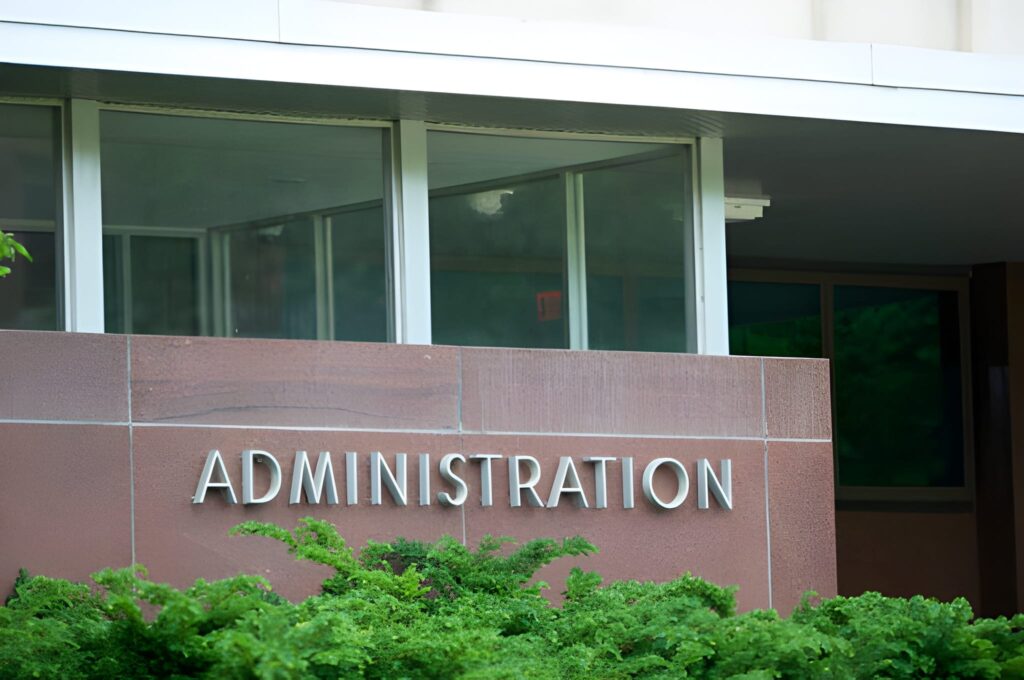
Effective administration is the backbone of educational institutions at all levels, from primary schools to universities. Administration in education encompasses planning, organizing, staffing, leading, and controlling resources to achieve academic and institutional goals. Each level of education—primary, secondary, and higher education—faces unique administrative challenges and requires tailored strategies. Understanding the differences and similarities across these levels allows policymakers, educators, and administrators to optimize efficiency, improve student outcomes, and enhance institutional reputation.
The Role of Administration in Education
Educational administration refers to the management of the school or institution’s resources, personnel, policies, and programs to ensure that learning objectives are met. Administrators are responsible for coordinating staff, managing budgets, ensuring compliance with regulations, fostering a safe and productive environment, and supporting the academic and personal development of students.
Key Functions of Educational Administration
- Planning: Setting goals, developing curricula, allocating resources, and forecasting institutional needs.
- Organizing: Structuring departments, roles, and responsibilities to maximize efficiency.
- Staffing: Recruiting, training, and retaining teachers, faculty, and administrative staff.
- Directing: Leading faculty and staff, setting performance standards, and motivating personnel.
- Controlling: Monitoring performance, evaluating outcomes, and implementing corrective measures.
- Communication: Ensuring smooth information flow between students, staff, parents, and stakeholders.
Administration in Primary Education
Primary education typically covers grades 1–5 or ages 6–11. The primary focus is foundational learning in literacy, numeracy, social skills, and basic science and arts knowledge. Administration in primary education involves close interaction with students, parents, and the community.
Characteristics of Primary Education Administration
- Focus on Individual Attention: Administrators ensure small class sizes, student-centered learning, and early intervention for learning difficulties.
- Parental Engagement: Coordinating parent-teacher meetings, school events, and volunteer activities.
- Resource Management: Ensuring textbooks, teaching aids, and digital tools are available and effectively used.
- Teacher Support: Professional development programs, mentoring, and performance evaluations.
Table 1: Primary Education Administration Responsibilities
| Responsibility | Description | Example Activity |
|---|---|---|
| Curriculum Planning | Develop age-appropriate learning objectives | Implementing literacy and numeracy programs |
| Student Support | Identify learning difficulties | Remedial classes or counseling services |
| Parental Communication | Regular updates to parents | Parent-teacher meetings and newsletters |
| Resource Allocation | Manage classrooms and materials | Distribution of educational kits |
| Staff Supervision | Teacher performance monitoring | Annual appraisals and mentoring programs |
Administration in Secondary Education
Secondary education covers grades 6–12 or ages 12–18, focusing on academic specialization, preparation for higher education, and career readiness. Administration at this level is more complex due to increased student autonomy, subject specialization, and standardized testing requirements.
Characteristics of Secondary Education Administration
- Academic Coordination: Aligning subject departments, managing timetables, and preparing students for standardized exams.
- Student Discipline and Welfare: Implementing behavioral policies, counseling, and extracurricular oversight.
- Parental and Community Engagement: Workshops, parent associations, and community service programs.
- Staff Development and Evaluation: Subject-specific training, performance reviews, and mentoring.
Table 2: Secondary Education Administration Responsibilities
| Responsibility | Description | Example Activity |
|---|---|---|
| Curriculum Management | Align subject-specific programs | Science lab scheduling and elective offerings |
| Examination Coordination | Standardized and internal exams | Organizing state and national exams |
| Student Services | Guidance and counseling programs | Career counseling, mental health support |
| Staff Development | Teacher training and professional growth | Subject workshops and certifications |
| Infrastructure Oversight | Classroom, lab, and sports facilities | Maintenance of labs, playgrounds, and libraries |
Administration in Higher Education
Higher education includes colleges, universities, and vocational institutes. Administration in this sector is multifaceted due to research, complex funding structures, diverse student populations, and international collaborations.
Characteristics of Higher Education Administration
- Academic Leadership: Department heads, deans, and provosts coordinate curricula, research initiatives, and faculty performance.
- Financial Management: Budget allocation, tuition management, grants, and endowments.
- Student Services and Engagement: Student counseling, career services, clubs, and student organizations.
- Research and Innovation Management: Encouraging faculty research, grant acquisition, and patent filings.
- Regulatory Compliance: Accreditation, legal standards, and reporting obligations.
Table 3: Higher Education Administration Responsibilities
| Responsibility | Description | Example Activity |
|---|---|---|
| Academic Affairs | Curriculum development and accreditation | Departmental course approvals, program audits |
| Research Management | Supporting faculty research | Grant applications, lab resources allocation |
| Student Services | Counseling and career guidance | Internship programs and placement support |
| Financial Oversight | Budget and resource management | Endowment fund management, tuition budgeting |
| Institutional Governance | Policy-making and regulatory compliance | Board of Trustees meetings, accreditation reviews |
Comparative Analysis Across Education Levels
| Aspect | Primary Education | Secondary Education | Higher Education |
|---|---|---|---|
| Focus | Foundational learning | Academic specialization | Research and advanced learning |
| Student-Teacher Ratio | Low | Moderate | High (lecture-based in many cases) |
| Parental Involvement | High | Moderate | Low |
| Administrative Complexity | Low | Moderate | High |
| Decision-Making Structure | Principal-led | Principal & department heads | Dean, Provost, and Board-led |
| Resource Allocation | Classroom materials | Labs, sports, and electives | Research, technology, and endowments |
Challenges in Educational Administration
- Resource Constraints: Budget limitations affect staffing, facilities, and technology adoption.
- Policy Compliance: Meeting state, federal, and accreditation requirements can be complex.
- Staff Recruitment and Retention: Finding qualified teachers and administrators is challenging, especially in rural areas.
- Technological Integration: Adapting administrative systems to digital tools requires investment and training.
- Diversity and Inclusion: Ensuring equitable access and addressing varied student needs requires careful planning.
Best Practices for Effective Administration
- Implement clear organizational structures with defined roles.
- Use data-driven decision-making tools for enrollment, performance, and financial management.
- Prioritize continuous professional development for staff.
- Foster strong community and parental engagement at all levels.
- Integrate technology for student information systems, virtual learning, and analytics.
Emerging Trends in Education Administration
- Digital Transformation: Adoption of Learning Management Systems (LMS) and digital CRMs for student tracking.
- AI and Predictive Analytics: Using analytics to predict enrollment trends, at-risk students, and financial forecasting.
- Global Collaboration: Increasing partnerships between higher education institutions worldwide.
- Sustainable Practices: Green campuses, energy-efficient operations, and sustainability education integration.
Conclusion
Administration in primary, secondary, and higher education is a dynamic field requiring adaptability, strategic planning, and resource management. While primary education focuses on foundational learning and parental engagement, secondary education demands subject specialization, examination management, and student welfare. Higher education administration is complex, involving research oversight, financial management, and institutional governance. Across all levels, effective administration ensures that educational institutions function efficiently, meet regulatory standards, support students’ academic and personal growth, and prepare learners to thrive in society.