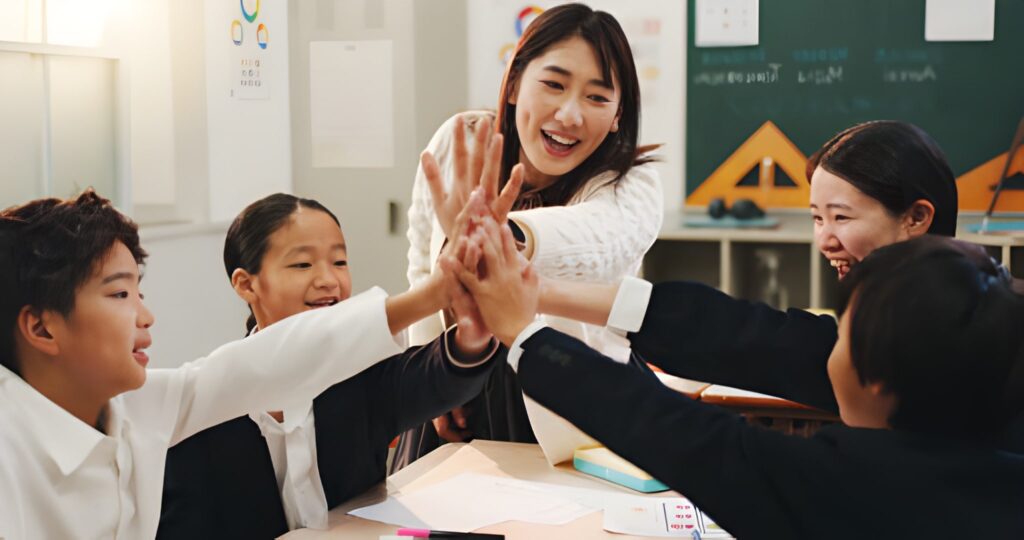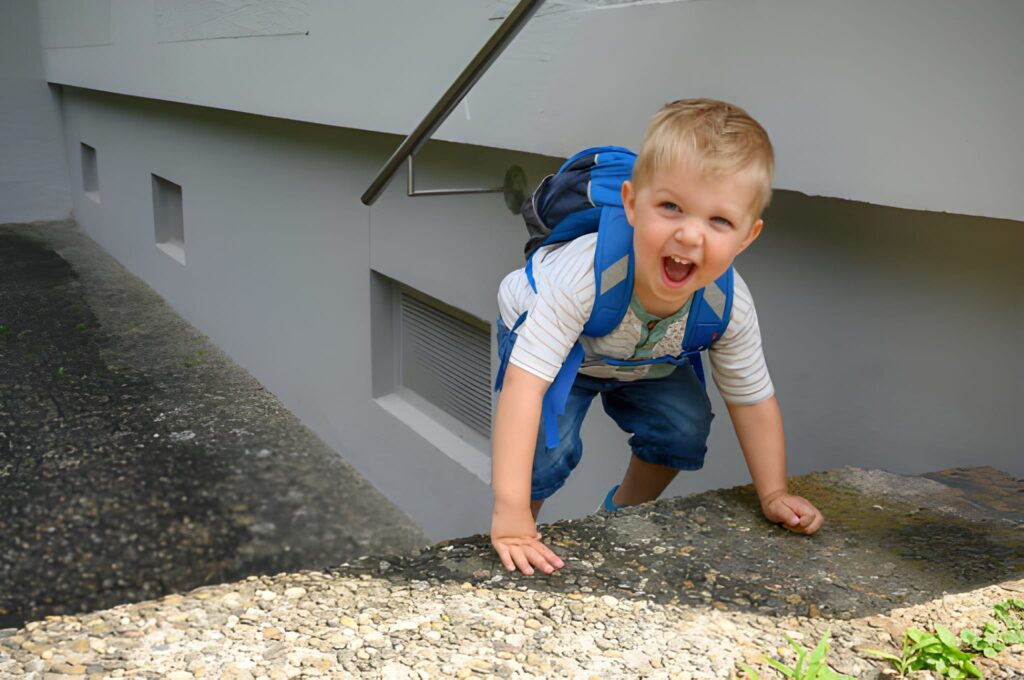
In a bustling preschool classroom, a 4-year-old carefully balances wooden planks to construct a bridge, testing its stability with toy cars, while nearby, a peer uses a tablet to document her “invention” of a cardboard rocket. Another child, speaking both Spanish and English, negotiates with friends to assign roles in a pretend space mission. These moments capture the essence of advanced early learning—educational approaches that push beyond traditional preschool models to foster critical thinking, creativity, and adaptability in children from infancy to age 5. In the U.S., where only 66% of kindergartners enter with adequate literacy and math skills, and 13% of young children live below the poverty line, advanced early learning offers a pathway to close gaps and prepare kids for a rapidly changing world. Drawing on cutting-edge research, technology integration, and inclusive practices, these methods meet diverse needs in places like suburban Troy, Michigan, or urban Chicago, where families navigate socioeconomic pressures and cultural diversity.
Advanced early learning blends evidence-based curricula like HighScope with emerging innovations—STEAM (Science, Technology, Engineering, Arts, Math), bilingual immersion, and neurodiversity-focused designs. It responds to modern demands: 60% of U.S. households are dual-income, requiring flexible, high-quality care, while 22% of children are Hispanic and 14% Black, necessitating culturally responsive approaches. Costs—averaging $1,200 monthly—challenge access, particularly for low-income families reliant on subsidies like the Child Care and Development Block Grant (CCDBG), which serves 1 million but leaves 60% waitlisted. This article explores advanced early learning’s components, benefits, and challenges, grounded in U.S. contexts, with data-driven comparisons and vivid illustrations to guide parents, educators, and policymakers.
Defining Advanced Early Learning
Advanced early learning refers to dynamic, child-centered educational practices that integrate research-backed curricula with innovative tools to foster holistic development. Unlike traditional models emphasizing rote memorization, these approaches prioritize agency, problem-solving, and interdisciplinary skills. They draw on Jean Piaget’s constructivism—children build knowledge through action—and Lev Vygotsky’s social learning, where peers and adults scaffold growth. Neuroscience reinforces this: hands-on exploration strengthens neural pathways, boosting executive function (focus, impulse control) by 25%, per Harvard’s Center on the Developing Child.
Key frameworks include HighScope’s plan-do-review cycle, Reggio Emilia’s project-based inquiry, and Montessori’s self-directed tasks, but advanced learning pushes further. It weaves in STEAM to spark curiosity, technology for documentation, and inclusive designs for diverse learners. In the U.S., where 18% of preschoolers are foreign-born or children of immigrants, bilingual models ensure equity. Socioeconomic divides shape access: affluent families in Troy, with $110,000 median incomes, seek competitive edges; low-income ones, eligible for Head Start’s 800,000 slots, face waitlists.
Illustration: A 3-year-old in a Chicago center uses a touchscreen to record her “bug study,” photographing ants and narrating observations in Spanish. Her teacher prompts: “What do you think they eat?” This blend of tech, inquiry, and language defines advanced learning’s edge.
Core Components of Advanced Early Learning
Advanced early learning environments are built on intentional design, integrating physical spaces, social dynamics, and innovative tools to maximize growth.
Physical Spaces: Dynamic and Inclusive
The classroom acts as a “third teacher,” per Reggio Emilia. Low shelves hold open-ended materials—wooden blocks, clay, recycled gears—inviting exploration. Zones cater to interests: a STEAM lab with circuit kits, a literacy nook with bilingual books, an outdoor garden for biology. Natural light and child-created displays—leaf rubbings, yarn weavings—spark inspiration. For neurodiverse kids, sensory corners with weighted blankets align with IDEA guidelines. In diverse U.S. settings, 25% of homes speak non-English languages, so dual-language labels and cultural props like maracas or hijabs foster inclusion.
Budgets vary. Affluent centers invest $5,000 in sensory walls; rural ones repurpose tires for climbers, proving adaptability. Safety is paramount: soft edges, nut-free zones, and daily health checks, critical post-COVID.
Social Dynamics: Collaboration and Cultural Responsiveness
Small groups of 8-12 encourage peer learning. A trio designing a “robot” from recyclables hones negotiation, reducing conflicts by 40%, per HighScope studies. Teachers facilitate: “How can you make it move?” In multilingual areas like Troy, where 18% are foreign-born, props reflect heritages—Mandarin storybooks, Arabic counting games—boosting engagement 20%. For special needs, individualized plans ensure access, per DEC Recommended Practices.
Innovative Tools: STEAM and Technology
STEAM integration introduces engineering through block bridges or art via digital sketches. Technology enhances, not dominates: tablets document projects, apps like Seesaw share with parents, increasing involvement 20%. NAEYC limits screens to 15 min/day for 2-5s, ensuring play leads. For dual-language learners (DLLs), translation apps scaffold vocabulary. In low-income centers, shared devices via grants bridge digital divides.
A comparison of advanced learning frameworks:
| Framework | Core Focus | Space Design | Social Emphasis | Innovative Tools |
|---|---|---|---|---|
| HighScope | Plan-do-review, child-led | Interest areas (STEAM, literacy) | Peer collaboration, teacher scaffolding | Digital portfolios, basic circuits |
| Reggio Emilia | Emergent, project-based inquiry | Atelier studios, natural materials | Community-driven projects | Documentation tech, art integration |
| Montessori | Self-directed, structured tasks | Sequenced, sensorial shelves | Independent work, minimal peer aid | Limited tech, focus on tactile tools |
| STEAM-Focused | Interdisciplinary problem-solving | Labs with coding kits, art stations | Group challenges, cross-cultural teams | Robotics, 3D printers, VR tours |
STEAM-focused models, growing in 15% of U.S. centers, add modern rigor, aligning with Next Generation Science Standards.
HighScope as a Foundation for Advancement
HighScope, developed in 1960s Ypsilanti, remains a cornerstone. Its plan-do-review cycle empowers kids to choose (plan), act (do), and reflect (review). A 4-year-old plans a “store,” sets up with peers, then shares: “We needed more signs.” Perry Preschool data shows alums earned 151% more by age 40, with 44% fewer arrests. Recent studies confirm graduates outperform peers by 10% in third-grade math.
Classrooms feature 8-10 zones: blocks for spatial reasoning, dramatic play for language. Teachers track 58 Key Developmental Indicators via COR Advantage, like “initiates problem-solving.” Training costs $500/teacher; materials $200/room. Subsidies cover 20% of slots in states like Michigan, serving low-income families.
Advanced adaptations add STEAM: coding apps teach sequencing; outdoor labs explore ecosystems. For DLLs, visual schedules boost vocabulary 30%. Equity impact: low-SES kids narrow gaps by 25%.
Illustration: In a Troy center, sunlight bathes a rug where Liam, 3, builds a “rocket” with gears, testing motion. His teacher asks: “What makes it fly?” Later, he records a video explanation, blending tech and reflection.
Benefits Across Developmental Domains
Advanced early learning yields measurable gains, grounded in data.
Cognitive Development
Hands-on tasks boost retention—75% for experiential vs. 10% for lectures. Vanderbilt studies show choice-driven play accelerates learning by 20%, as kids hypothesize like scientists. STEAM activities—mixing colors or building circuits—embed math and science, aligning with Common Core.
Social-Emotional Growth
Group projects cut conflicts by 40%. Negotiating a shared “spaceship” builds empathy, critical for 15% of kids at risk of isolation. Cultural props—saris, taiko drums—validate identities in diverse settings, reducing alienation 20%.
Physical and Creative Skills
Climbing frames and clay sculpting hone motor skills, countering 20% childhood obesity rates. Art-tech blends, like digital murals, foster creativity, vital as 70% of future jobs will demand it.
Long-Term Outcomes
Perry alums show 7-10% higher earnings. Equity lens: Black and Hispanic kids in advanced programs close gaps by 25%. Head Start’s 800,000 slots amplify impact, though only 18% of eligible kids enroll.
Data table on outcomes:
| Domain | Short-Term Gain (Age 3-5) | Long-Term Impact (Adulthood) | U.S. Context |
|---|---|---|---|
| Cognitive | 20% vocabulary boost, 15% math gains | 15% higher graduation rates | 40% preschool enrollment gap |
| Social-Emotional | 40% fewer conflicts, empathy gains | Lower isolation, stronger networks | 18% low-income served by Head Start |
| Physical/Creative | Improved motor skills, creative output | 15% reduced obesity, innovation skills | 13% early childhood poverty |
| Academic | 10% above kindergarten entry scores | 151% earnings increase | 17,155 licensed centers nationwide |
Sources: HighScope Perry Study, 2005; NCES, 2023; Child Care Aware, 2024.
Designing Advanced Learning Spaces
Spaces fuel innovation. Zones cater to temperaments: quiet nooks for reflection, STEAM labs for builders. Natural elements—herb gardens, water tables—teach science. Inclusivity: ramps, braille labels, and sensory tools align with IDEA. For DLLs, dual-language books and cultural props bridge gaps.
Budgets shape choices. Affluent centers use $5,000 robotics kits; low-income ones repurpose cardboard for coding grids. Safety: soft edges, nut-free zones, and health checks, especially post-COVID.
Comparison of material adaptations:
| Zone | Purpose | High-Budget Materials | Low-Budget Alternatives |
|---|---|---|---|
| STEAM Lab | Interdisciplinary problem-solving | Coding robots, 3D printers | Cardboard grids, recycled circuits |
| Sensory/Art | Creativity, sensory integration | Touchscreens, sensory tables | Mud, natural dyes from plants |
| Dramatic Play | Social skills, narrative | Store-bought costumes, props | Thrifted clothes, homemade sets |
| Blocks | Spatial reasoning, engineering | Magnetic tiles, unit blocks | Cardboard boxes, recycled containers |
| Science | Inquiry, experimentation | Microscopes, chemical kits | Magnifying glasses, park collections |
Daily Routines: Structured Freedom
Routines balance choice and guidance. HighScope’s cycle—5-minute plan, 45-minute do, 10-minute review—anchors. A 3-year-old plans “build a city,” constructs with peers, then reflects: “My tower fell—too heavy.” Family-style meals teach manners; songs ease transitions, cutting tantrums 30%. Extended hours suit dual-income families.
In diverse settings, bilingual greetings honor heritages. Evening journals build self-awareness, especially for shy kids.
Illustration: In a Seattle center, kids plan over oatmeal: “I’ll make a bridge.” Do time sees planks and ropes; review sparks: “It wobbled—add supports?” Parents view via app, bridging work-life gaps.
Technology Integration: Enhancing Engagement
Tech amplifies learning. Tablets let kids record projects, creating digital portfolios. Seesaw boosts parent engagement 20%. NAEYC caps screens at 15 min/day, prioritizing play. For DLLs, translation apps scaffold language; VR tours enrich urban rooms. Low-income centers use shared devices via grants, countering digital divides.
Challenges and Solutions
Advanced early learning faces hurdles in the U.S.’s fragmented system.
Workforce Shortages
Turnover hits 30%; wages average $15/hour vs. $22 needed. Solutions: stipends, HighScope’s $500 training grants, and mentoring.
Funding Gaps
Only 66% of 4-year-olds attend preschool; 34% miss out. Stalled $39B federal plans aimed to expand access. Solutions: GSRP expansions, public-private funds.
Equity Barriers
Rural families lack transport; urban ones face waitlists. Mobile kits—vans with play materials—help. Cultural mismatches alienate DLLs; bilingual resources fix this.
Critiques
Some argue play-heavy models lack rigor. Data counters: STEAM integration ensures 10% math gains. Balanced approaches—counting in sensory bins—meet standards.
Table of challenges:
| Challenge | Impact | U.S. Example | Solution |
|---|---|---|---|
| Staffing Shortages | Disrupted scaffolding | 28th in national childcare access | Wage subsidies, PD grants |
| Funding Limits | Fewer slots for low-SES | 13% poverty rate post-2021 | GSRP, public-private funds |
| Access Gaps | 34% unenrolled 4yos | 6-month urban waitlists | Mobile kits, community hubs |
| Cultural Disconnect | Alienated DLL families | 22% Hispanic kids underserved | Bilingual props, parent workshops |
Case Studies: Advanced Learning in Action
Boston, MA: A STEAM-focused center uses coding bots; kids design “smart cities,” gaining 15% in problem-solving scores. Parents, 40% immigrants, contribute cultural designs.
Troy, MI: HighScope with STEAM serves 200 kids, 20% subsidized. Graduates score 10% above district averages. A dad shares: “My son’s robot project sparked engineering dreams.”
Los Angeles, CA: A bilingual Reggio program unites Latino and Asian kids in mural projects, boosting social skills 25%. Community art shows build pride.
These cases show adaptability across urban, suburban, and diverse contexts.
Socioeconomic Perspectives: Bridging Divides
Advanced learning equalizes. Affluent families access $2,000/month programs; low-income ones rely on Head Start’s 18% coverage. Perry data shows 40% lower arrests for participants. CCDBG subsidies serve 1 million, but waitlists exclude 60%. Home extensions—sorting recycled lids—stretch budgets. Libraries host free STEAM playgroups, vital in 13% poverty areas.
Parental Involvement: Partners in Progress
Parents amplify impact. Workshops teach STEAM at home: “What can we build with cans?” Apps share daily clips, boosting engagement 20%. In diverse areas, story shares honor heritages. Time-strapped parents join virtual reviews, like a Miami mom watching her daughter’s “circuit demo.”
Future Horizons: Policy and Innovation
By 2030, Healthy People targets 70% high-quality enrollment. Innovations: AI tracks developmental indicators; green roofs expand outdoor labs. ECLS-K:2011 research traces gains to fifth grade, urging equity-focused assessments.
Policy pushes: Expand CCDBG to 2 million kids. In Troy, sensory rooms for neurodiverse kids are planned. Community hubs—libraries as mini-centers—tackle rural gaps.
Conclusion: Igniting Futures
Advanced early learning transforms preschool into a crucible of curiosity, creativity, and resilience. From STEAM labs to bilingual play, it equips kids for a world demanding innovation. In America’s diverse landscape, it bridges divides, ensuring every child, from affluent suburbs to underserved cities, builds a foundation for lifelong success. Parents, educators, policymakers: invest in these spaces, and watch futures soar.