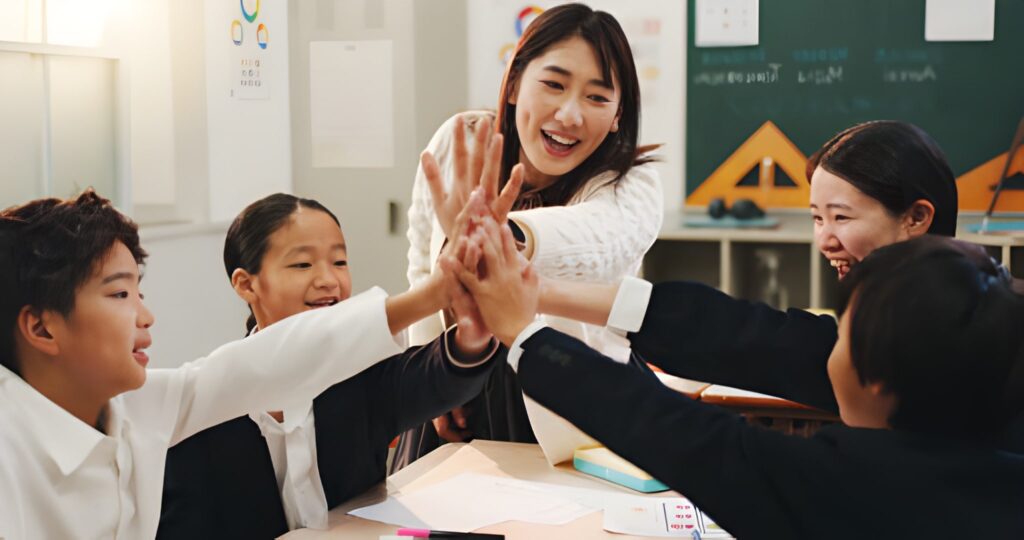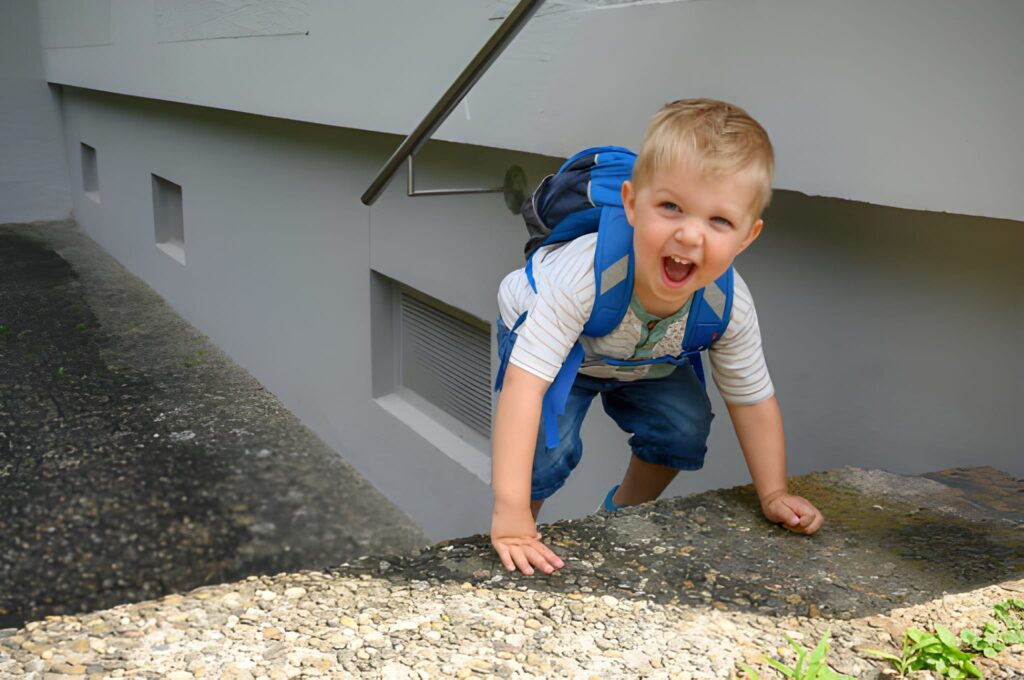
Active learning in early childhood shapes how young children interact with the world, laying the foundation for lifelong curiosity and critical thinking. Unlike passive learning, where children absorb information through lectures or rote memorization, active learning encourages them to explore, question, and construct knowledge through hands-on experiences. This approach aligns with the developmental needs of children ages 0–8, a period when their brains form neural connections at a remarkable pace. By engaging children physically, mentally, and socially, active learning builds skills that extend beyond academics, fostering resilience, creativity, and problem-solving. This article explores the principles, benefits, strategies, and challenges of active learning in early childhood, offering insights for parents, educators, and caregivers across diverse socioeconomic contexts in the United States.
Understanding Active Learning in Early Childhood
Active learning involves children as participants in their education, not just recipients. It emphasizes interaction with materials, peers, and environments to construct meaning. For young children, this might mean manipulating blocks to explore shapes, engaging in dramatic play to understand social roles, or asking questions during a nature walk. The approach draws from educational theories like Jean Piaget’s constructivism, which posits that children learn by building on prior knowledge through experience, and Lev Vygotsky’s emphasis on social interaction as a driver of cognitive growth.
In early childhood, active learning aligns with developmental milestones. Children under five develop fine motor skills, language, and emotional regulation, while those aged five to eight refine critical thinking and social cooperation. Active learning taps into these stages by providing opportunities for exploration and collaboration. For example, a preschooler sorting colored beads strengthens cognitive categorization, while a kindergartner working in a group to build a model learns teamwork and communication.
The approach contrasts with traditional, teacher-centered methods, where children often sit quietly and follow instructions. Active learning prioritizes agency, allowing children to make choices and learn from mistakes. This is particularly vital in early childhood, when curiosity drives development. Studies, such as those from the National Association for the Education of Young Children (NAEYC), show that active learning environments improve engagement, retention, and emotional well-being compared to passive settings.
Why Active Learning Matters
Active learning addresses the holistic needs of young children—cognitive, social, emotional, and physical. It fosters skills that prepare them for academic success and life beyond the classroom. Here are key reasons it matters:
Cognitive Development
Active learning stimulates brain development by encouraging exploration and problem-solving. When a child experiments with stacking blocks to build a tower, they learn about balance, gravity, and spatial relationships. These experiences create neural pathways that support later academic skills like math and science. A 2018 study in Early Childhood Research Quarterly found that children in active learning environments scored higher on problem-solving tasks than those in traditional settings.
Social and Emotional Growth
Collaborative activities, such as group storytelling or role-playing, teach children to negotiate, share, and empathize. These interactions build emotional intelligence, helping children manage feelings and form relationships. For example, a child pretending to be a shopkeeper learns to take turns and resolve conflicts with peers. Research from the Center on the Developing Child at Harvard University highlights that early social interactions shape emotional regulation, reducing behavioral issues later.
Physical Development
Active learning often involves movement, which is critical for young children. Activities like dancing, climbing, or drawing refine gross and fine motor skills. For instance, threading beads improves hand-eye coordination, while running in a game of tag builds strength and balance. The CDC notes that physical activity in early childhood correlates with better health outcomes, including lower risks of obesity.
Engagement and Motivation
Children are naturally curious, and active learning harnesses this by making education meaningful. When a child plants seeds and observes their growth, they connect actions to outcomes, fostering intrinsic motivation. A 2020 report from the National Institute for Early Education Research (NIEER) found that children in active learning settings showed greater enthusiasm for school, reducing absenteeism.
Equity and Accessibility
Active learning can bridge gaps for children from diverse socioeconomic backgrounds. Hands-on activities often require minimal resources—sticks, stones, or recycled materials can become learning tools. This makes the approach adaptable for underfunded schools or low-income households. However, access to quality active learning environments varies, with wealthier districts often having better-trained staff and materials.
Core Principles of Active Learning
Active learning in early childhood rests on several principles, grounded in developmental psychology and educational research:
- Child-Centered Exploration: Children drive their learning by choosing activities that interest them. For example, a child fascinated by bugs might collect leaves and observe insects, guided by a teacher’s questions.
- Hands-On Engagement: Physical interaction with materials deepens understanding. Manipulating clay to form shapes teaches geometry more effectively than a worksheet.
- Social Interaction: Learning occurs through collaboration. Group projects, like building a cardboard castle, teach communication and teamwork.
- Scaffolded Support: Adults provide guidance without dominating. A teacher might ask, “What happens if we add more water?” to prompt critical thinking rather than giving answers.
- Reflection and Iteration: Children revisit and refine their work. After a failed attempt to build a bridge with sticks, they try new designs, learning resilience.
These principles align with the NAEYC’s Developmentally Appropriate Practice (DAP) framework, which emphasizes tailoring education to children’s developmental stages and cultural contexts.
Strategies for Implementing Active Learning
Parents and educators can incorporate active learning through intentional strategies. Below are practical approaches, with examples tailored to different settings.
In the Classroom
Teachers can design environments that encourage exploration. A preschool classroom might include:
- Learning Centers: Areas for art, science, or dramatic play where children choose activities. For example, a science center with magnets and metal objects sparks curiosity about physics.
- Open-Ended Materials: Blocks, clay, or loose parts (e.g., bottle caps, fabric scraps) allow creative problem-solving. A child might use sticks to create a pattern, exploring symmetry.
- Guided Inquiry: Teachers pose questions to deepen thinking. During a storytime about animals, a teacher might ask, “Why do you think the bear sleeps all winter?” to encourage reasoning.
- Project-Based Learning: Children work on long-term projects, like creating a class garden. This integrates science, math (measuring soil), and social skills (collaborating on tasks).
| Strategy | Description | Example Activity | Skills Developed |
|---|---|---|---|
| Learning Centers | Designated areas for specific activities, allowing choice. | Water table with cups and funnels. | Fine motor, scientific inquiry |
| Open-Ended Materials | Versatile items that encourage creativity. | Building with cardboard boxes. | Creativity, spatial reasoning |
| Guided Inquiry | Teacher-posed questions to prompt deeper thinking. | “What makes the ball roll faster?” | Critical thinking, language development |
| Project-Based Learning | Collaborative, long-term projects tied to real-world problems. | Creating a classroom mural about community. | Teamwork, planning, artistic expression |
At Home
Parents can foster active learning with everyday activities:
- Cooking Together: Measuring ingredients teaches math, while mixing builds motor skills. A parent might ask, “What happens if we add more flour?” to encourage experimentation.
- Nature Exploration: A backyard scavenger hunt for leaves or rocks teaches classification. Parents can guide children to compare textures or colors.
- Story Creation: Children invent stories using toys or drawings, building narrative skills. A parent might say, “What happens next to the dragon?” to spark imagination.
- Building Projects: Using household items like cups or boxes, children construct structures, learning about balance and design.
In Community Settings
Libraries, museums, and community centers can offer active learning:
- Storytime with Props: A librarian uses puppets to act out a story, inviting children to participate.
- Workshops: A museum might host a session where children create simple machines, like levers, to understand mechanics.
- Playgroups: Structured playgroups allow children to engage in group games, fostering social skills.
Benefits Across Socioeconomic Contexts
Active learning is adaptable, but its implementation varies across socioeconomic lines. Wealthier families may access private preschools with trained staff and rich materials, while low-income families often rely on public programs or home-based learning. Below is a comparison of how active learning can be applied in different contexts:
| Context | Resources Available | Active Learning Approach | Challenges |
|---|---|---|---|
| High-Income Households | Private preschools, toys, extracurricular programs | Enrolling in Montessori with hands-on materials | Risk of overscheduling, less free play |
| Middle-Income Households | Public schools, some toys, community centers | Using library programs for interactive storytime | Limited access to specialized programs |
| Low-Income Households | Public preschools, household items, free community events | Nature walks or crafts with recycled materials | Lack of trained educators, fewer resources |
To address inequities, programs like Head Start emphasize active learning through play-based curricula, though funding constraints limit reach. Community initiatives, such as mobile libraries or free workshops, can expand access.
Challenges and Solutions
Active learning faces barriers, particularly in under-resourced settings. Here are common challenges and solutions:
- Limited Resources: Schools or families may lack materials. Solution: Use low-cost items like sticks, stones, or paper. For example, children can create art with leaves or learn math by counting household objects.
- Teacher Training: Educators may lack skills to facilitate active learning. Solution: Professional development workshops, like those offered by NAEYC, can teach scaffolding techniques.
- Time Constraints: Active learning requires time for exploration. Solution: Integrate it into daily routines, like using snack time to discuss shapes or colors.
- Parental Engagement: Parents may not understand active learning. Solution: Schools can host workshops to demonstrate activities, like building simple toys at home.
- Assessment Pressure: Standardized tests emphasize rote learning. Solution: Use portfolios or observations to assess skills, as recommended by the NIEER.
Case Studies and Real-World Examples
Case Study 1: Montessori Preschool in California
A Montessori in San Francisco uses active learning through sensory bins filled with rice and hidden objects. Children explore textures and count items, developing math and motor skills. Teachers observe and ask questions like, “What do you notice about the rice?” The program serves diverse families but costs $20,000 annually, limiting access.
Case Study 2: Head Start in Rural Alabama
A Head Start program uses recycled materials for crafts, like making instruments from bottles. Children learn rhythm and collaboration while playing in a “band.” Despite limited funding, the program boosts school readiness, with 80% of participants meeting developmental benchmarks, per a 2023 Head Start report.
Case Study 3: Home-Based Learning in Chicago
A low-income family engages their child in active learning by creating a “science lab” with kitchen items. They mix baking soda and vinegar to explore chemical reactions. The parent, guided by a library workshop, asks, “What do you think will happen?” The child’s curiosity and vocabulary grow, despite financial constraints.
Long-Term Impact
Active learning in early childhood has lasting effects. A 2021 study in Child Development found that children in active learning programs showed stronger executive function—skills like self-control and focus—by age 10. These skills predict academic success and career outcomes. Socially, children who engage in collaborative play are more likely to develop empathy and leadership, per Harvard’s Center on the Developing Child.
Economically, active learning can reduce disparities. Children from low-income backgrounds who participate in quality early education programs are 20% more likely to graduate high school, according to the NIEER. However, access remains a hurdle, with only 34% of eligible children enrolled in public preschool programs in 2022, per the U.S. Department of Education.
Practical Tips for Caregivers
- Create a Stimulating Environment: Set up a corner with books, blocks, or art supplies to encourage exploration.
- Ask Open-Ended Questions: Instead of “What color is this?” ask, “What can you make with this color?”
- Embrace Mistakes: Let children try and fail, like building a tower that falls, to teach resilience.
- Limit Screen Time: Prioritize hands-on activities over passive media, aligning with American Academy of Pediatrics guidelines.
- Connect to Daily Life: Use routines, like sorting laundry, to teach patterns or colors.
Conclusion
Active learning in early childhood empowers children to explore, create, and connect with the world. By engaging their curiosity and building skills through play, it lays a foundation for academic and personal success. While challenges like resource disparities exist, creative solutions—using household items, community programs, or teacher training—make active learning accessible. For parents and educators, the key is to foster environments where children feel safe to experiment and grow. By prioritizing active learning, we invest in children’s futures, equipping them to navigate an ever-changing world with confidence and creativity.