Physical education (PE) in primary schools is an essential component of holistic child development. Beyond promoting physical fitness, it contributes to cognitive growth, emotional well-being, social skills, and lifelong healthy habits. For children aged 6–11, PE offers structured opportunities to engage in physical activity, learn teamwork, develop discipline, and build confidence. Understanding the advantages of physical education at the primary level provides valuable insights for educators, parents, and policymakers aiming to nurture well-rounded, healthy children.
The Role of Physical Education in Primary Schools
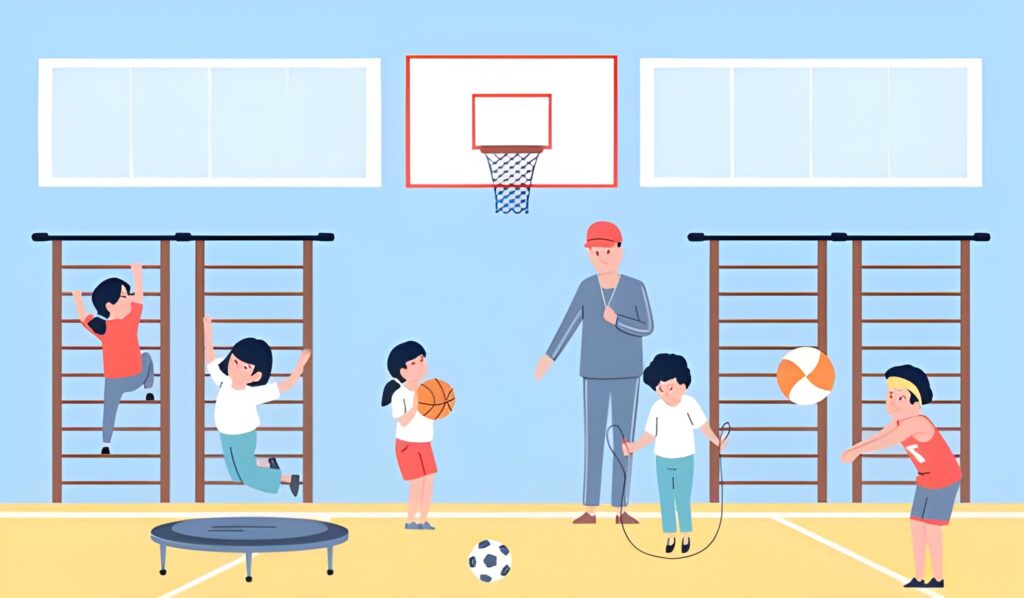
Physical education refers to a structured program of activities, exercises, and sports designed to enhance students’ physical, mental, and social development. PE programs in primary schools typically include games, gymnastics, athletics, dance, and basic sports skills, often tailored to the developmental stage of the children.
Advantages of Physical Education
- Improves Physical Health and Fitness
PE helps children develop strength, flexibility, coordination, and cardiovascular health. Regular physical activity reduces the risk of obesity, strengthens bones and muscles, and supports healthy growth patterns. - Enhances Cognitive Development
Studies indicate that physical activity is linked to improved brain function, concentration, and academic performance. Activities that require coordination, strategy, and focus stimulate cognitive skills such as problem-solving, memory, and attention. - Promotes Emotional and Mental Well-Being
Physical activity releases endorphins, reducing stress and anxiety. Participation in PE can improve mood, build self-esteem, and foster resilience, helping children cope with academic and social pressures. - Develops Social Skills and Teamwork
Team sports and group activities teach cooperation, communication, leadership, and conflict resolution. Children learn to respect peers, follow rules, and work collaboratively to achieve common goals. - Encourages Discipline and Goal Setting
Regular practice, skill development, and participation in structured activities instill discipline, time management, and a sense of achievement. Children learn to set goals and work consistently toward them. - Fosters Lifelong Healthy Habits
Exposure to PE in primary school encourages children to adopt active lifestyles, maintain physical fitness, and understand the importance of nutrition and wellness, promoting lifelong health. - Supports Inclusivity and Participation
Physical education allows all children, regardless of academic ability, to participate and succeed. It provides opportunities for those who may excel in physical activities to gain confidence and recognition.
Table 1: Key Advantages of Physical Education in Primary Schools
| Advantage | Description | Impact |
|---|---|---|
| Physical Health | Improves strength, flexibility, cardiovascular health | Reduces obesity, supports growth |
| Cognitive Development | Enhances memory, focus, and problem-solving skills | Better academic performance |
| Emotional Well-Being | Releases endorphins, reduces stress | Improved mood, self-esteem, and resilience |
| Social Skills | Teaches teamwork, communication, and respect | Enhanced cooperation and peer relationships |
| Discipline and Goal Setting | Structured practice and achievement | Development of self-discipline and motivation |
| Lifelong Healthy Habits | Encourages active lifestyle | Long-term fitness and wellness |
| Inclusivity and Participation | Engages children of varying abilities | Builds confidence and a sense of achievement |
Comparative Analysis: Students With and Without Regular PE
| Aspect | Students With PE | Students Without PE |
|---|---|---|
| Physical Fitness | Higher strength, endurance | Lower fitness levels, higher obesity risk |
| Academic Performance | Improved focus and problem-solving | Limited cognitive stimulation |
| Emotional Health | Better mood and resilience | Higher stress and anxiety levels |
| Social Skills | Stronger teamwork and collaboration | Limited social skill development |
| Discipline and Motivation | Goal-oriented and self-disciplined | Less structured approach to tasks |
| Long-Term Health Habits | More likely to maintain active lifestyle | Higher risk of sedentary behavior |
Socioeconomic Considerations
In low-income communities, school-based PE may provide the primary opportunity for physical activity, especially where safe outdoor play spaces are limited. Implementing well-structured PE programs ensures that all children, regardless of background, gain access to the physical and social benefits of exercise.
Global Examples
- Finland: Emphasizes daily PE and outdoor activities, contributing to excellent physical fitness, academic performance, and student well-being.
- United States: Many schools incorporate PE alongside classroom learning, demonstrating improved cognitive skills and social development in primary students.
- Australia: Programs like “Sport Education” integrate teamwork, skill development, and inclusivity, promoting lifelong physical activity habits.
Table 2: Physical Education Outcomes in Selected Countries
| Country | PE Program Focus | Key Outcomes |
|---|---|---|
| Finland | Daily activity, outdoor learning | High fitness levels, strong academic and social skills |
| United States | Structured PE and sports programs | Improved focus, teamwork, and emotional well-being |
| Australia | Inclusive sports education | Lifelong active habits, social development |
Conclusion
Physical education in primary schools is essential for holistic child development, offering benefits that extend beyond physical health. It enhances cognitive abilities, emotional resilience, social skills, and discipline while promoting lifelong healthy habits. For policymakers and educators, investing in quality PE programs ensures that children develop balanced skills, a sense of well-being, and a foundation for future academic and personal success. Incorporating daily, structured, and inclusive physical education is a key strategy for nurturing well-rounded, healthy, and confident students.