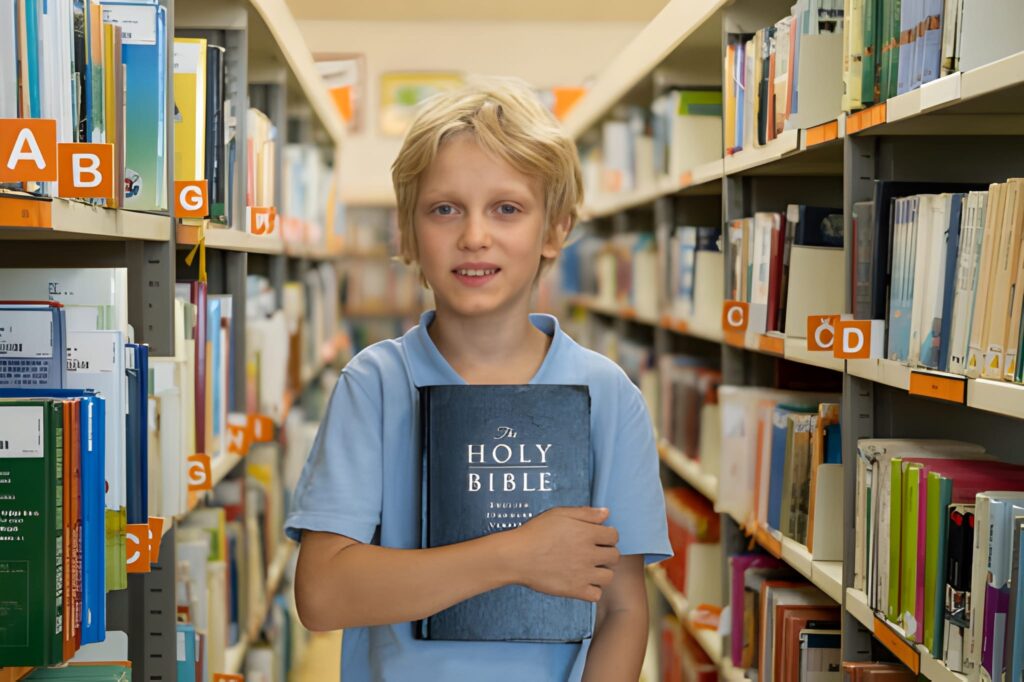
Christian education has long been recognized for its emphasis on moral development, academic excellence, and community values. For parents seeking to provide a faith-based foundation for their children, primary education plays a critical role in shaping early cognitive, social, and spiritual development. However, one of the significant challenges faced by families is the affordability of quality Christian primary schools. This article explores the landscape of affordable Christian education in primary schools, examining its benefits, challenges, models, and strategies for accessing it without compromising quality.
Understanding Affordable Christian Education
Affordable Christian primary education refers to schools that provide faith-based instruction while maintaining reasonable tuition fees, making them accessible to middle- and low-income families. These schools combine academic curriculum with Christian values, biblical teachings, and character development programs. Unlike high-cost private Christian institutions, affordable options aim to reduce financial barriers while retaining quality education standards.
Key Features of Affordable Christian Primary Schools
- Faith-Centered Curriculum: Core subjects such as mathematics, language arts, science, and social studies are taught alongside Bible studies, Christian ethics, and moral development programs.
- Holistic Development: Emphasis on spiritual, social, emotional, and physical growth. Programs may include music, art, sports, and community service activities.
- Community Engagement: Many schools maintain strong connections with local churches, volunteer organizations, and community outreach programs.
- Teacher Qualifications: Teachers are often required to have both academic credentials and a commitment to Christian values, ensuring that students receive instruction aligned with the school’s faith principles.
Benefits of Affordable Christian Education in Primary Schools
| Benefit | Description | Impact on Children |
|---|---|---|
| Moral and Ethical Development | Daily Bible lessons and values education | Helps children develop a strong sense of right and wrong, empathy, and responsibility |
| Academic Excellence | Balanced curriculum integrating core subjects with faith-based instruction | Prepares children for higher education while reinforcing discipline and study habits |
| Community and Social Skills | Group activities, community service, and fellowship events | Enhances teamwork, leadership, and interpersonal communication skills |
| Spiritual Foundation | Prayer, worship, and reflection sessions | Supports long-term spiritual growth and personal identity formation |
Models of Affordable Christian Primary Education
- Church-Affiliated Schools: Many churches operate primary schools with subsidized fees supported by donations and church funds. These schools often have smaller class sizes and individualized attention.
- Tuition-Assisted Schools: Private Christian schools may offer sliding-scale tuition or scholarship programs to assist low- and middle-income families.
- Charter or Faith-Based Public Schools: In some regions, public charter schools with Christian values or moral education programs provide free or low-cost primary education.
- Community Co-Operative Schools: Parent-led or community-supported schools that pool resources to create affordable Christian education options.
Challenges in Affordable Christian Education
- Limited Resources: Reduced tuition fees can result in limited access to advanced technology, extracurricular programs, and facility upgrades.
- Teacher Retention: Lower salaries may affect recruitment and retention of highly qualified educators.
- Balancing Faith and Academics: Ensuring rigorous academic standards while maintaining a strong spiritual curriculum requires careful planning and resources.
- Accessibility: Affordable Christian schools may not be evenly distributed, making them less accessible to families in certain geographic regions.
Strategies for Parents to Access Affordable Christian Education
- Research Local Church Programs: Many churches offer scholarships or sponsor students directly.
- Apply for Scholarships and Grants: Numerous Christian organizations provide educational grants for primary students.
- Consider Co-Operative or Community Schools: Parent-led initiatives can provide high-quality education at reduced costs.
- Explore Hybrid Learning Models: Online Christian education programs can supplement traditional schooling and reduce tuition burdens.
- Engage in Fundraising or Volunteer Opportunities: Many schools offer tuition reductions in exchange for community service or fundraising participation.
Comparing Affordable Christian Schools with Other Options
| Feature | Affordable Christian Primary School | Standard Private School | Public School |
|---|---|---|---|
| Tuition | Low to moderate | High | Free |
| Faith-Based Instruction | Integrated into curriculum | Optional | Not provided |
| Class Size | Small to moderate | Small | Moderate to large |
| Teacher Qualifications | Academically qualified and faith-oriented | Academically qualified | Academically qualified |
| Extracurricular Activities | Moderate, often church-supported | Extensive | Varies by district |
| Community Engagement | High, church and service-oriented | Moderate | Varies |
Case Studies and Success Stories
- Faith Primary School, Texas: Operating with a sliding tuition scale, this school integrates Bible study with STEM subjects, achieving above-average state test scores while maintaining low fees.
- Grace Community School, California: Funded partially by local church donations, the school has excelled in arts and music programs, emphasizing both spiritual and creative development.
- Saint Mary’s Cooperative School, New York: A parent-led initiative that uses volunteer teaching assistants and community resources to keep costs under $2,500 annually per child while offering a comprehensive Christian curriculum.
Long-Term Benefits for Children
Children who attend affordable Christian primary schools often demonstrate a balance of academic proficiency, moral grounding, and social competence. Studies indicate that students in faith-based environments may develop higher levels of civic engagement, ethical reasoning, and emotional resilience compared to peers in secular institutions.
Economic and Societal Implications
Affordable Christian education helps reduce educational inequality, providing middle- and low-income families access to faith-based quality education. By promoting moral and civic values, these schools contribute to building socially responsible citizens. Furthermore, the presence of affordable Christian schools can influence local communities positively, fostering volunteerism, church engagement, and intergenerational mentorship.
Tips for Evaluating Affordable Christian Primary Schools
- Accreditation: Verify that the school meets academic and spiritual standards.
- Curriculum Balance: Ensure a comprehensive integration of core subjects and Christian teachings.
- Teacher Credentials: Look for educators trained in both pedagogy and faith-based instruction.
- Community Involvement: Assess opportunities for students to engage in service and fellowship.
- Affordability Programs: Check for scholarships, sliding-scale tuition, and volunteer opportunities.
Conclusion
Affordable Christian primary education offers a viable option for families seeking high-quality, faith-integrated learning without prohibitive costs. By emphasizing moral development, academic excellence, and community engagement, these schools provide children with a strong foundation for lifelong learning and personal growth. With careful research, strategic planning, and active engagement in school and community programs, parents can access affordable Christian education that meets both spiritual and academic goals.
This comprehensive guide underscores that affordability does not require compromising quality. Families, educators, and communities can collaborate to ensure that Christian values and academic achievement remain accessible to all children, fostering holistic development, moral integrity, and a lifelong commitment to learning.