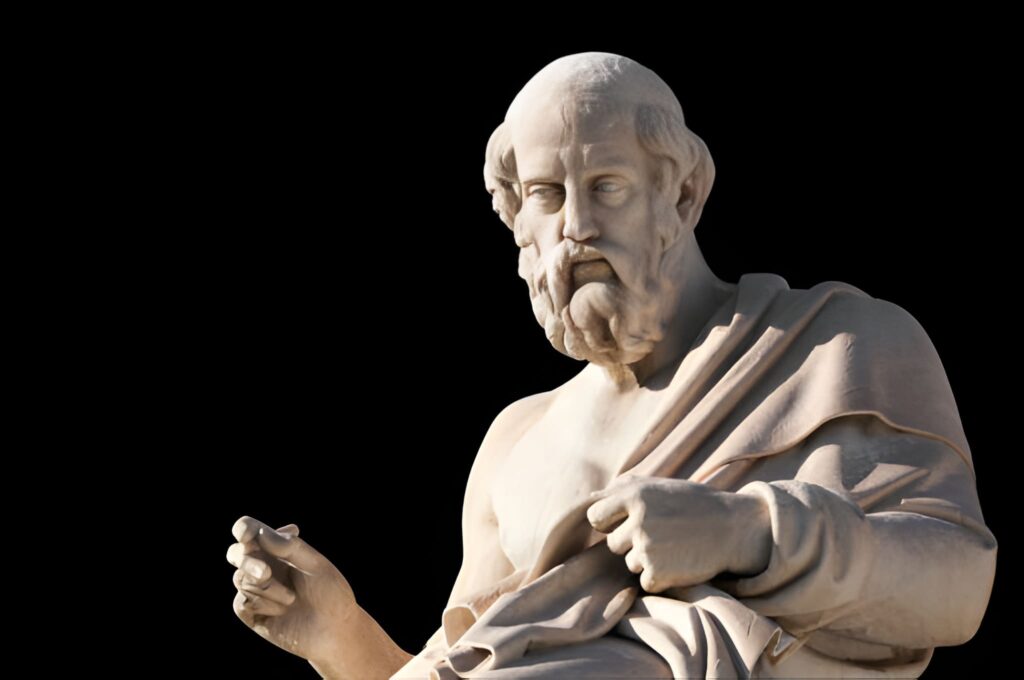
Education in ancient Greece was a cornerstone of its civilization, shaping the intellectual, moral, and civic fabric of Greek society. The primary sources that illuminate this educational system offer invaluable insights into the methods, purposes, and societal implications of Greek pedagogy. This article delves into these primary sources, examining their content, context, and the light they shed on ancient Greek education.
Ancient Greek education, or paideia, was designed to cultivate well-rounded citizens capable of contributing to the polis (city-state). It encompassed various disciplines, including music, gymnastics, philosophy, and rhetoric, each serving to develop different aspects of the individual. The educational practices varied across different city-states, notably Athens and Sparta, reflecting their distinct societal values and priorities.
A. The Role of Education in Greek Society
Education in ancient Greece was not merely a means of imparting knowledge but was deeply intertwined with the cultural and political life of the city-state. It aimed to produce citizens who were not only knowledgeable but also virtuous and capable of participating in civic life. This holistic approach to education emphasized the development of both the mind and the body, preparing individuals for active roles in society.
B. Variations Across City-States
While Athens is often celebrated for its contributions to education, other city-states like Sparta had markedly different educational systems. In Athens, education was more intellectual and democratic, focusing on philosophy, arts, and public discourse. In contrast, Sparta’s education system, known as the agoge, was militaristic and aimed at producing disciplined and physically robust soldiers.
II. Primary Sources of Ancient Greek Education
The primary sources that provide insights into ancient Greek education are diverse, encompassing literary works, inscriptions, and educational texts. These sources offer a window into the pedagogical practices, curricula, and educational philosophies of the time.
A. Literary Works
- Homeric Epics: The Iliad and the Odyssey were central to early Greek education. These epic poems were used to teach moral lessons, heroic ideals, and the values of Greek society. They were memorized and recited by students, serving as both educational tools and cultural touchstones.
- Socratic Dialogues: The writings of Plato, particularly the dialogues featuring Socrates, provide a detailed account of philosophical education. In works like the Republic, Plato outlines his vision of an ideal education system, emphasizing the importance of philosophy and the pursuit of truth.
- Aristotelian Texts: Aristotle’s works, such as Nicomachean Ethics and Politics, discuss the role of education in cultivating virtue and preparing individuals for civic life. Aristotle’s emphasis on empirical observation and classification also influenced educational methodologies.
B. Educational Texts
- Progymnasmata: These were preparatory exercises in rhetoric, designed to train students in the art of persuasion. Texts attributed to Aelius Theon, Hermogenes of Tarsus, and Aphthonius of Antioch outline these exercises, which were integral to the education of young men in rhetoric and public speaking.
- Rhetorical Handbooks: Works like Aristotle’s Rhetoric and Cicero’s De Oratore provided systematic approaches to the study of rhetoric. These texts were used in educational settings to teach students the principles of effective communication and argumentation.
C. Inscriptions and Epigraphy
Inscriptions on stone and other materials offer direct evidence of educational practices. These inscriptions include:
- Grammatical Exercises: Inscriptions containing exercises in reading and writing demonstrate the methods used to teach literacy.
- Honorific Inscriptions: Records commemorating teachers and students highlight the importance placed on education and the status of educators in society.
- Legal Inscriptions: Laws related to education, such as those regulating the schooling of children and the qualifications of teachers, provide insights into the legal framework surrounding education.
III. Analysis of Key Primary Sources
A. The Iliad and the Odyssey
The Iliad and the Odyssey were more than just literary works; they were educational tools that imparted values and lessons to the youth. The heroes of these epics embodied ideals such as bravery, honor, and loyalty, serving as models for young Greeks to emulate. The memorization and recitation of these poems were central to early education, fostering a shared cultural identity.
B. Plato’s Republic
In the Republic, Plato presents a vision of education that seeks to cultivate the philosopher-king, an individual who possesses wisdom and virtue. Education, according to Plato, should be lifelong and encompass both physical and intellectual development. His emphasis on the role of education in achieving justice and harmony in society underscores its importance in Greek thought.
C. Aristotle’s Politics
Aristotle’s Politics discusses the role of education in the formation of the ideal state. He argues that education should aim at producing virtuous citizens who can contribute to the common good. His analysis of different educational systems and their outcomes provides a comparative perspective on educational practices.
D. Progymnasmata Texts
The progymnasmata texts reveal the structured approach to teaching rhetoric in ancient Greece. These exercises, which included fables, anecdotes, and encomia, were designed to develop the student’s ability to compose and deliver speeches. The emphasis on rhetoric reflects the importance placed on public speaking and persuasion in Greek society.
E. Inscriptions and Epigraphy
Inscriptions provide tangible evidence of the educational landscape. For instance, inscriptions commemorating teachers and students highlight the value placed on education and the esteem in which educators were held. Legal inscriptions reveal the regulatory aspects of education, such as laws governing the conduct of teachers and the curriculum.
IV. Comparative Perspectives
Comparing the educational practices of different Greek city-states offers a broader understanding of ancient Greek education.
A. Athens vs. Sparta
In Athens, education was centered on intellectual development, with a focus on philosophy, arts, and public discourse. The presence of philosophers like Socrates, Plato, and Aristotle in Athens contributed to its reputation as a hub of learning.
In contrast, Sparta’s education system, the agoge, was designed to produce disciplined and capable soldiers. The emphasis was on physical training, obedience, and endurance, reflecting Sparta’s militaristic society.
B. Influence of Education on Society
The educational systems of Athens and Sparta shaped their respective societies in profound ways. In Athens, the emphasis on intellectual development fostered a culture of debate, democracy, and civic participation. In Sparta, the focus on physical prowess and discipline reinforced the values of militarism and communal living.
V. Legacy of Ancient Greek Education
The influence of ancient Greek education extends beyond antiquity. The Greek emphasis on a well-rounded education, combining intellectual, physical, and moral development, has influenced educational philosophies throughout history. The study of classical texts continues to be a cornerstone of liberal arts education, reflecting the enduring legacy of ancient Greek pedagogy.
VI. Conclusion
The primary sources of ancient Greek education provide a rich tapestry of insights into the methods, purposes, and societal implications of Greek pedagogy. Through literary works, educational texts, and inscriptions, we gain a deeper understanding of how education shaped the individuals and societies of ancient Greece. This exploration not only illuminates the past but also offers valuable lessons for contemporary educational practices.