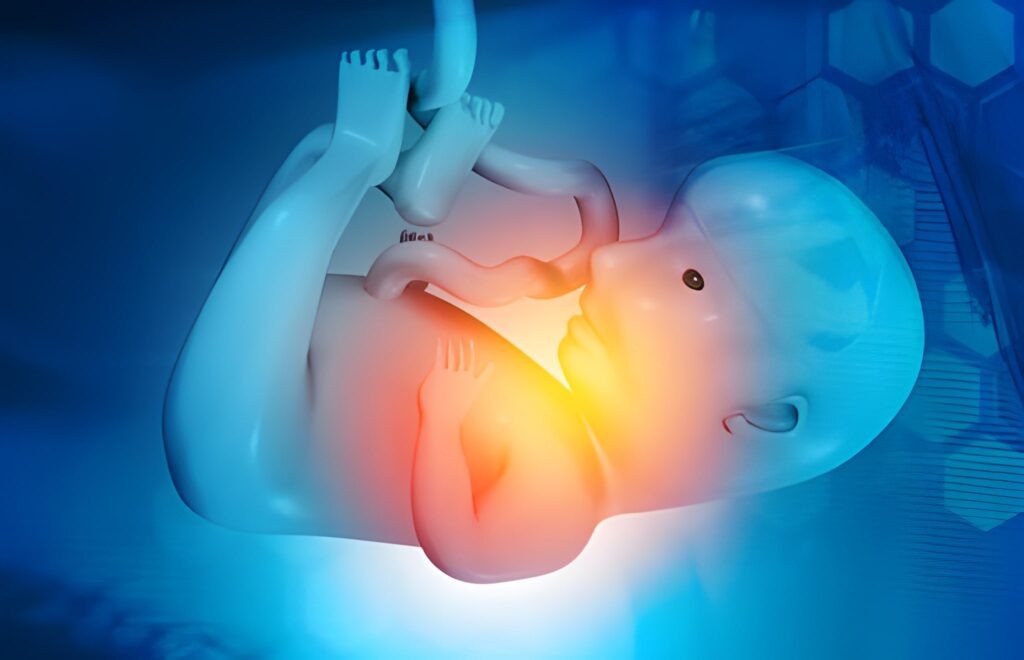
Beyond the Murmur: Decoding Neonatal Heart Anomalies
A clinical guide to heart sounds and radiographic findings in newborns
When a newborn male presents with abnormal heart sounds, the clinical atmosphere shifts instantly toward precise investigation. For parents, hearing that their baby has a heart murmur causes immediate distress, yet for clinicians, this sign acts as the first thread in a diagnostic tapestry. In many cases, a newborn heart murmur represents a benign transitional phase as the baby adapts to life outside the womb. However, when paired with specific radiographic findings, these sounds signal structural anomalies that require urgent intervention.
Table of Contents
Understanding Neonatal Heart Sounds
The transition from fetal circulation to neonatal circulation involves complex pressure shifts. In the womb, the right side of the heart maintains higher pressure, bypassing the lungs via the ductus arteriosus. Within minutes of birth, the lungs expand, pulmonary resistance drops, and the left side of the heart becomes the dominant pressure system. Abnormal sounds often occur when these "fetal shortcuts" fail to close or when structural barriers impede flow.
Clinicians categorize murmurs based on timing, intensity, and pitch. A systolic murmur occurs during heart contraction, while a diastolic murmur—heard during the relaxation phase—is almost always pathological in a newborn. The presence of an "ejection click" or a "gallop rhythm" further suggests that the heart is struggling against resistance or volume overload.
Interpreting Radiographic Findings
While the stethoscope provides the first clue, the chest radiograph (X-ray) offers the first visual confirmation of the heart's size, shape, and position. In a healthy newborn, the heart occupies less than 60% of the chest width. When the radiograph reveals an enlarged heart (cardiomegaly) or an unusual silhouette, it points toward specific defects.
- Boot-Shaped Heart: Often indicates Tetralogy of Fallot due to right ventricular hypertrophy.
- Egg-on-a-String: Suggests Transposition of the Great Arteries, where the mediastinum appears narrow.
- Snowman Sign: Associated with Total Anomalous Pulmonary Venous Return (TAPVR).
The radiograph also tells us about pulmonary blood flow. Increased vascular markings suggest a "left-to-right shunt," where blood intended for the body is being pumped back into the lungs. Conversely, dark, "clear" lung fields suggest decreased pulmonary flow, often seen in cyanotic heart disease where blood cannot reach the lungs efficiently.
Common Structural Anomalies
When heart sounds and radiographs align, several primary conditions often emerge as the culprit. These are broadly divided into cyanotic (blue) and acyanotic (pink) defects based on oxygen saturation levels.
The most common congenital heart defect. It involves a hole in the wall separating the lower chambers. The murmur is typically harsh and pansystolic. Radiographs may show cardiomegaly if the shunt is large enough to cause volume overload.
A classic "machinery-like" murmur heard at the upper left sternal border. This occurs when the fetal connection between the aorta and pulmonary artery fails to close. It is particularly common in premature infants.
A complex cyanotic defect consisting of four components: VSD, pulmonary stenosis, overriding aorta, and right ventricular hypertrophy. The classic "boot-shaped" heart on a radiograph is a hallmark of this condition.
Clinical Diagnostic Criteria
Modern diagnostics rely on a combination of clinical assessment and advanced imaging. While radiographs provide a snapshot, the echocardiogram remains the gold standard for definitive diagnosis. However, initial screening often involves simple calculations of oxygen saturation and pulse pressure.
| Sign | Acyanotic (Pink) | Cyanotic (Blue) |
|---|---|---|
| Oxygen Saturation | Typically 95% to 100% | Often below 85% to 90% |
| Radiograph | Congested lung fields | Often dark, oligemic lung fields |
| Primary Symptom | Congestive heart failure/Sweating | Cyanosis/Blue tint to skin |
| Example | VSD, ASD, PDA | ToF, TGA, Tricuspid Atresia |
Pulse oximetry screening is now mandatory in most hospitals across the United States. A difference of more than 3% between the right hand (pre-ductal) and either foot (post-ductal) can indicate a critical heart defect even before a murmur is clearly audible.
Management and Family Support
Managing a newborn with a heart anomaly is a multi-disciplinary effort. Pediatric cardiologists, neonatologists, and cardiac surgeons work in tandem to determine if the infant needs immediate surgery or if the condition can be monitored as the baby grows.
Supporting the Mother and Family
As specialists, we recognize that the emotional weight on a mother is immense. The transition from the joy of birth to the fear of a heart diagnosis is jarring. Communication must be clear, compassionate, and frequent. Explaining that many of these conditions are now highly treatable with excellent long-term outcomes helps alleviate the "crisis mode" families often enter.
In the year , advancements in minimally invasive procedures mean that many heart defects can be repaired without traditional open-heart surgery. Catheter-based interventions allow doctors to close holes or widen valves through a tiny incision in the groin, leading to faster recovery times and less trauma for the newborn.
The path forward involves close monitoring of weight gain, feeding patterns, and respiratory effort. Infants with cardiac anomalies often burn more calories just by breathing and pumping blood, necessitating high-calorie formulas or fortified breast milk. With the right medical oversight and parental care, the majority of these children go on to lead active, healthy lives, their "abnormal" start becoming a distant memory in a long and vibrant future.