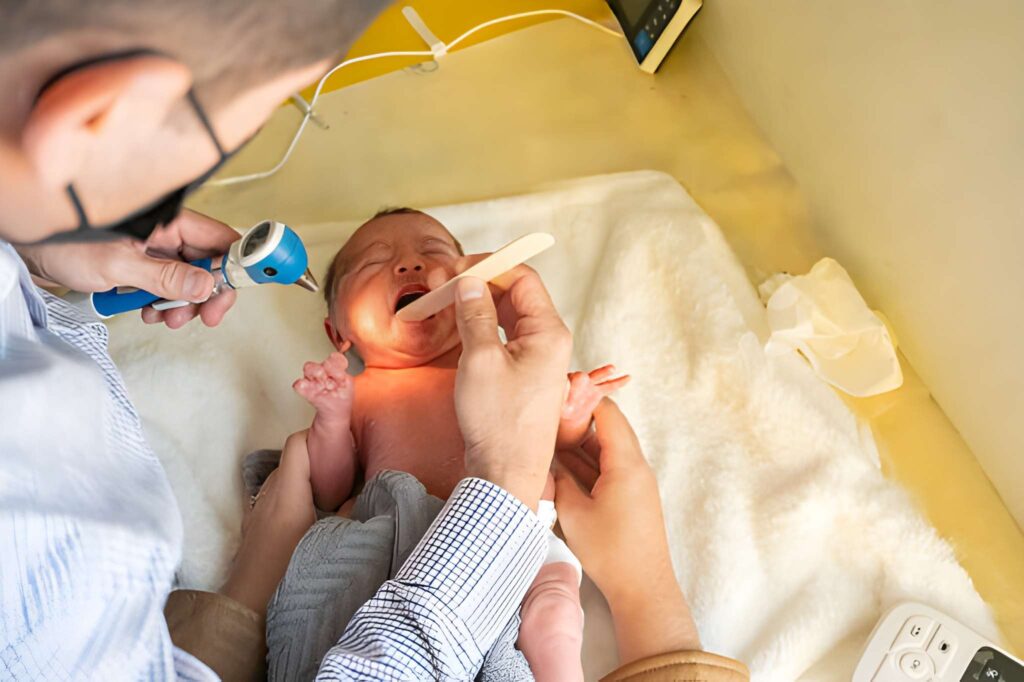
Navigating Ophthalmia Neonatorum: A Clinical and Parental Guide to Neonatal Conjunctivitis
Essential insights into symptoms, causes, and treatment protocols for
Understanding the Diagnosis
Finding the words ophthalmia neonatorum in a medical record often causes immediate concern for new parents. In clinical terms, this condition refers to conjunctivitis, or inflammation of the eye surface, occurring within the first four weeks of a newborn’s life. Unlike the common pink eye seen in older children, neonatal conjunctivitis requires swift attention due to the vulnerability of the infant's ocular tissues.
Medical teams view this condition not as a single disease but as a category of infections or irritations. The delicate membrane covering the white part of the eye and the inner eyelids becomes red, swollen, and often produces discharge. Specialists prioritize identifying the specific cause, as the treatment for a mild irritation differs vastly from the urgent requirements of a bacterial infection.
Common Triggers and Pathogens
Neonatal eye inflammation arises from three primary sources: chemical irritation, bacterial pathogens, or viral agents. During the birthing process, infants encounter various bacteria present in the birth canal. Even with a healthy mother, the shift from a sterile environment to one populated with microorganisms can trigger an immune response in the infant's eyes.
Historically, the most significant concerns involve Neisseria gonorrhoeae and Chlamydia trachomatis. These bacteria can pass from mother to baby during delivery, often even when the mother shows no symptoms herself. In other instances, common skin bacteria like Staphylococcus aureus or Streptococcus pneumoniae find their way to the infant's eyes via the hands of caregivers or environmental contact.
The Diagnostic Timeline: When Symptoms Appear
In the nursery, the number of days since birth serves as a critical diagnostic tool. Specialists use this timeline to predict the likely cause before lab results return. Understanding these windows helps parents know when an observation is an expected reaction or a signal for intervention.
This typically occurs within the first 24 hours. It often results from a reaction to the prophylactic eye drops (like Erythromycin or silver nitrate) administered at birth. The eyes appear mildly red, and the swelling usually resolves without treatment within 48 hours.
This is a medical emergency. It presents with severe eyelid swelling and thick, pus-like discharge. Without immediate systemic antibiotics, this pathogen can penetrate the cornea and lead to rapid vision loss.
This is the most common bacterial cause in developed nations. The discharge may be watery initially but becomes increasingly thick. It often presents in only one eye first before spreading to the other.
Comparing Bacterial and Chemical Origins
Distinguishing between a simple irritation and a serious infection requires careful observation. Medical professionals look for specific markers that separate these two categories.
Mild Symptoms
Appearance: Slight pinkness in the whites of the eyes.
Discharge: Clear or slightly watery.
Duration: Lasts 24 to 36 hours.
Treatment: Observation only.
Severe Symptoms
Appearance: Intense redness and significant lid swelling.
Discharge: Thick, yellow, or green pus.
Duration: Worsens over time.
Treatment: Prescribed antibiotics.
Clinical Management and Home Care
Once a medical professional confirms the diagnosis, management begins immediately. For bacterial causes, the baby will receive specialized antibiotic therapy. It is a common misconception that eye drops alone suffice for neonatal infections. Because bacteria like Chlamydia can also colonize the infant's respiratory tract, specialists often prescribe oral or intravenous antibiotics to prevent complications like pneumonia.
The Role of Laboratory Testing
To ensure the correct treatment, the medical team will perform a Gram stain and a culture of the eye discharge. This involves gently swabbing the inner part of the lower eyelid. This process does not harm the infant, although it may cause momentary fussiness. The lab results dictate whether the infant needs a broad-spectrum antibiotic or a targeted medication.
Proper Cleaning Techniques
While the antibiotics work internally, caregivers can support the infant's comfort through careful hygiene. Follow these steps to maintain eye cleanliness:
- Wash your hands thoroughly with soap and warm water for at least 20 seconds.
- Use a clean, sterile gauze pad or a soft washcloth dipped in warm, sterile water (boiled and then cooled).
- Gently wipe the eye from the inner corner (near the nose) to the outer corner.
- Use a fresh section of the gauze or a new pad for every single wipe.
- Never use the same gauze on both eyes to prevent cross-contamination.
Prevention and Prophylaxis Protocols
In the United States and many other countries, preventing ophthalmia neonatorum is a standard part of immediate newborn care. Within an hour of birth, an antibiotic ointment—most commonly 0.5% Erythromycin—is applied to each eye. This proactive measure has drastically reduced the rates of blindness caused by neonatal infections over the last century.
Expectant mothers also play a vital role in prevention. Routine prenatal screening for Chlamydia and Gonorrhea allows for treatment before delivery, significantly lowering the risk of transmission. If a mother is known to have an active infection at the time of birth, the medical team may administer a dose of Ceftriaxone to the newborn as an added layer of security.
| Preventative Action | Target Goal | Timing |
|---|---|---|
| Prenatal Screening | Identify maternal infections | First and third trimesters |
| Erythromycin Ointment | General bacterial prophylaxis | Within 1 hour of birth | Clear chemical irritants | As needed post-prophylaxis |
Long-term Outlook and Vision Safety
When diagnosed early and treated appropriately, the prognosis for ophthalmia neonatorum is excellent. Most infants recover fully without any impact on their long-term vision. The primary risk involves delays in treatment, especially with aggressive bacteria. Untreated Gonococcal infections can lead to corneal ulcers, which may leave permanent scars that obstruct sight.
In addition to ocular health, specialists monitor infants with Chlamydial conjunctivitis for signs of infantile pneumonia. About 10% to 20% of babies with Chlamydial eye infections may develop a distinct, "staccato" cough or congestion in the weeks following the eye symptoms. Identifying the eye infection early allows doctors to treat the systemic bacteria before it affects the lungs.
Summary for Caregivers
If your child's medical record lists ophthalmia neonatorum, remain calm but vigilant. Ensure you attend all follow-up appointments and complete the full course of any prescribed antibiotics, even if the eyes appear clear after the first day. Your proactive care, combined with neonatal expertise, ensures that your baby’s world remains bright and clear as they grow.