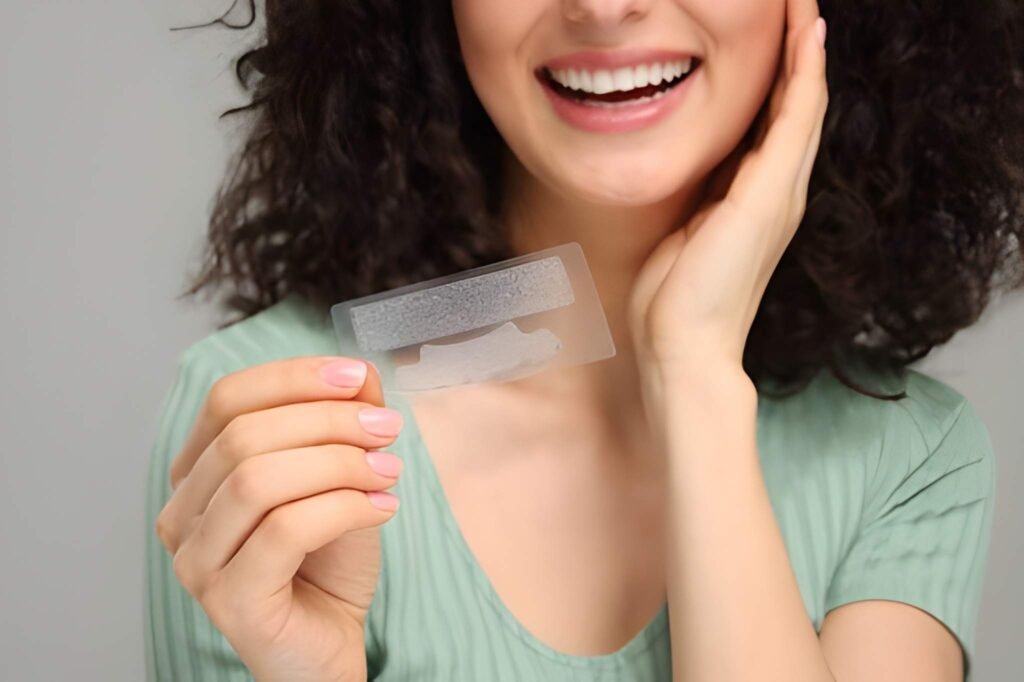
Bright Smiles and Breastfeeding: Navigating the Safety of Teeth Whitening Strips
Expert Persona: Maternal-Child Health Specialist | Updated
Expert Navigation Guide
The postpartum period marks a significant transition where many mothers seek to reclaim their sense of self through aesthetic self-care. Among the most common inquiries is the safety of over-the-counter teeth whitening strips. While breastfeeding, every topical or oral application requires scrutiny to ensure the shared biological environment between mother and infant remains protected. Teeth whitening strips primarily rely on peroxides to oxidize deep stains within the enamel. As a specialist, I evaluate these products by analyzing their chemical volatility, the rate of systemic entry through the oral mucosa, and the impact of postpartum hormonal shifts on gingival health. The consensus remains highly favorable, provided the mother adheres to specific usage guidelines that account for the unique physiology of lactation.
Chemical Analysis: Understanding Whitening Agents
Teeth whitening strips function through the application of a thin layer of peroxide-based gel. The two most common active ingredients are hydrogen peroxide and carbamide peroxide. Hydrogen peroxide is the "fast-acting" agent that releases its oxygen molecules quickly, whereas carbamide peroxide contains hydrogen peroxide stabilized with urea, providing a slower, sustained release.
When these peroxides contact the tooth enamel, they undergo a rapid chemical reaction called oxidation. This process breaks down complex chromogens (stains) into smaller, colorless molecules. For the nursing mother, the pivotal fact is that peroxide is an extremely unstable molecule. Upon contact with the moisture and enzymes in the mouth, it immediately begins decomposing into two harmless components: water and oxygen.
Systemic Absorption and the Milk Barrier
A frequent concern involves the accidental swallowing of whitening gel during the 30-minute application window. To understand the risk, we must look at the pathway from the mouth to the breast milk. For a substance to reach an infant, it must first survive the digestive system, be absorbed into the mother’s blood supply, and then pass through the mammary epithelium.
Hydrogen peroxide is poorly absorbed by the gastrointestinal tract. Even if a small amount of gel is swallowed, the acidic environment of the stomach and the presence of catalase (an enzyme) ensure that the peroxide is destroyed before it can reach systemic circulation. Furthermore, studies on high-strength whitening treatments have failed to detect elevated levels of peroxide in maternal plasma. Since milk is a filtrate of the blood, if it isn't in the blood, it cannot be in the milk.
Postpartum Oral Health Vulnerabilities
While the risk to the infant is negligible, the risk to the mother deserves closer attention. During pregnancy, elevated progesterone and estrogen levels often lead to "pregnancy gingivitis," a state where the gums are more sensitive, swollen, and prone to bleeding. This inflammation does not always vanish immediately after delivery.
Breastfeeding involves continued hormonal fluctuations that can keep the oral tissues sensitive. Using whitening strips on inflamed gums can cause significant irritation, localized "blanching" (white spots on the gums), and heightened tooth sensitivity. A specialist's priority is ensuring the mother's oral health is stable before introducing chemical irritants.
Whitening Methods: Efficiency vs. Safety Grid
Choosing the right whitening method involves balancing the speed of results with the intensity of chemical exposure.
| Whitening Method | Active Concentration | Maternal Sensitivity Risk | Infant Transfer Risk |
|---|---|---|---|
| Whitening Strips | 6% - 10% Hydrogen Peroxide | Moderate | Negligible |
| Whitening Toothpaste | Under 1% Peroxide / Abrasives | Low | Zero |
| In-Office Laser | 25% - 40% Hydrogen Peroxide | High | Negligible (Localized) |
| Custom Trays | 10% - 20% Carbamide Peroxide | Moderate | Negligible |
The Math of Peroxide Exposure
Let us look at the quantitative reality of using a standard whitening strip to provide context for the safety margins.
The "Trace Amount" Calculation
A typical whitening strip contains roughly 10mg to 20mg of whitening gel.
With a 10% concentration, the total peroxide available is only 1mg to 2mg.
Decomposition Rate: 95% within the first 10 minutes of oral contact.
Final systemic reach: Effectively 0.0mg.
Conclusion: The volume is too small to overcome the body's natural antioxidant defenses.
Specialist-Recommended Protocols
To ensure the most comfortable and safe experience, I recommend the following three-step safety protocol for breastfeeding mothers.
Effective Natural Alternatives
If you prefer to avoid chemicals entirely during the early stages of breastfeeding, several mechanical methods provide visible brightening without the use of peroxides.
Non-Chemical Brightening Tips
- Baking Soda Polish: Brushing with a paste of baking soda and water once a week acts as a gentle abrasive to remove surface stains from coffee or tea.
- Activated Charcoal: Used sparingly, charcoal binds to surface toxins and stains. Rinse thoroughly as it can be messy.
- Straw Usage: Drinking highly pigmented beverages (coffee, berry juices, tea) through a straw prevents the liquids from contacting the front teeth.
- Calcium-Rich Diet: Strong enamel is naturally whiter. Maintaining your calcium intake during breastfeeding protects the mineral density of your teeth.
Clinical Frequently Asked Questions
In summary, teeth whitening strips are a safe and effective aesthetic tool for breastfeeding mothers. The chemical nature of peroxide ensures that it decomposes into harmless byproducts before it can ever reach the infant through the milk supply. The primary focus for the nursing mother should be the health of her own gingival tissues and managing any temporary sensitivity caused by hormonal shifts. By choosing high-quality products and following a specialist-recommended protocol of rinsing and monitoring gum health, you can achieve a brighter smile without compromising the integrity of your breastfeeding relationship.