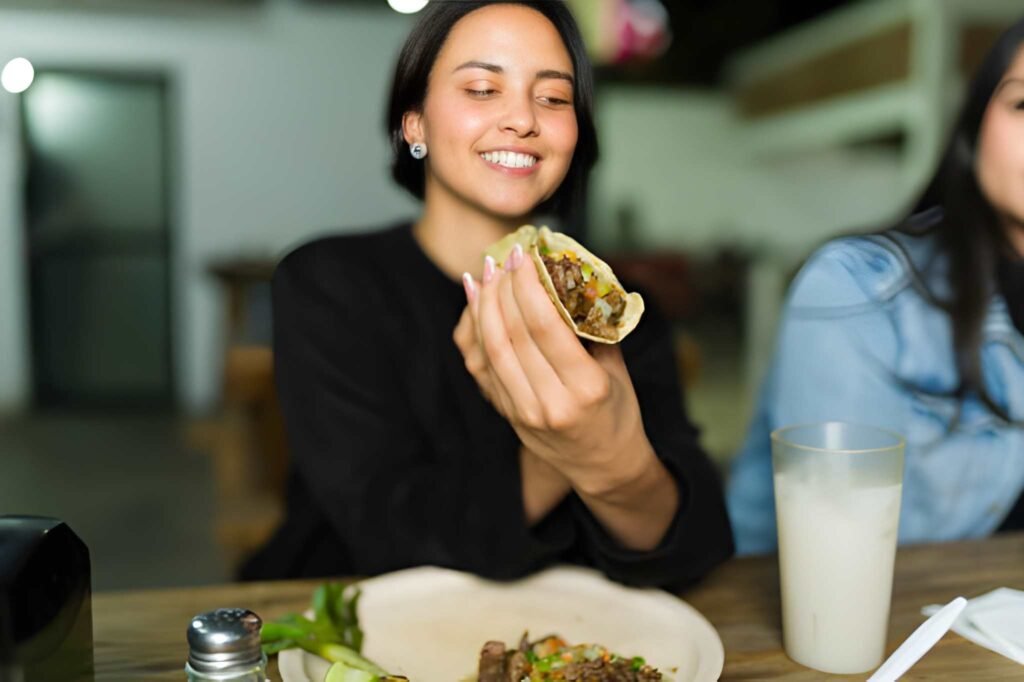
The Versatile Feast: A Specialist Guide to Tacos and Breastfeeding Success
Analyzing Macronutrient Density, Flavor Transfer, and Postpartum Metabolic Demand
The Biological Landscape of Taco Nutrition
In the clinical pursuit of postpartum wellness, we often look for "superfoods" that are easy to prepare, palatable, and nutrient-dense. As a child and mother specialist, I categorize tacos not merely as a convenient meal, but as a customizable nutritional delivery system. The fourth trimester demands a specific surplus of calories, minerals, and proteins to facilitate both maternal recovery and the energetic tax of milk synthesis. Tacos, by their very design, offer a unique opportunity to combine high-quality fats, lean proteins, and complex carbohydrates in a single, manageable portion.
From a biological perspective, the versatility of tacos allows a mother to "bio-hack" her meal based on her current physiological needs. Whether recovering from an iron-depleting delivery or managing the high-fat demands of hindmilk production, the taco framework can be adjusted to support specific clinical goals. Unless a mother has a diagnosed allergy to a specific component (such as corn or dairy), tacos are an exceptionally positive addition to the lactation diet.
Breaking Down the Components
To understand why tacos are beneficial, we must analyze the individual layers of the meal and their specific impact on maternal health and infant development.
The Protein Base
Lean beef provides essential heme iron, which is absorbed more efficiently than plant-based iron—critical for rebuilding red blood cell counts after birth. Chicken or fish offers lean building blocks for protein synthesis, while black or pinto beans provide plant-based protein alongside much-needed fiber.
Healthy Lipids (Avocado)
Avocados are a primary source of monounsaturated fats. These lipids are essential for the structural integrity of the infant's developing brain and the myelination of the central nervous system. They also increase maternal satiety, preventing blood sugar crashes during the 24-hour feeding cycle.
The Tortilla (Complex Carbs)
Corn tortillas are naturally gluten-free and provide a steady release of glucose. Unlike refined sugars, these complex carbohydrates prevent the insulin spikes that can lead to postpartum energy slumps. Corn is also a source of trace minerals like magnesium and phosphorus.
The Spicy Food Myth: Salsa and the Baby
One of the most persistent nursery myths is that nursing mothers must avoid spicy foods like salsa, jalapenos, or hot sauce to prevent "gassy" or "fussy" babies. As a specialist, I clarify that this is not supported by clinical evidence. Capsaicin—the compound responsible for the heat in peppers—does not transfer directly into breast milk in a way that "spices" the milk or burns the infant's digestive tract.
While the flavor of the diet (the volatile aromatic compounds) can subtly influence the scent and taste of the milk, the heat does not. In many global cultures, such as those in Mexico, Thailand, and India, mothers consume high levels of spices throughout lactation without any observed increase in infant distress. If your baby is fussy after you eat tacos, it is more likely a reaction to a specific protein (like cow's milk protein in the cheese) or simply a developmental phase rather than the salsa on your plate.
Beans and Crucial Fiber Dynamics
Mothers often worry that the beans in tacos will make their baby gassy. It is vital to understand the biological barrier between the gut and the breast. Gas is a byproduct of the mother's digestive process as bacteria in her large intestine break down complex sugars (oligosaccharides). Gas cannot enter the maternal bloodstream and therefore cannot enter the breast milk.
Actually, the fiber in beans is a critical asset for the postpartum mother. The first few weeks after birth are often characterized by slowed gastric motility and constipation. The high fiber content in black, pinto, or refried beans assists in maintaining maternal digestive regularity without the need for pharmacological stool softeners. A healthy maternal gut often correlates with a more stable immune environment for the nursing infant.
Early Palate Programming: The Sensory Loop
Interestingly, the diverse ingredients in a taco—cilantro, cumin, garlic, onion, and lime—do subtly change the flavor profile of your milk. This is actually a biological advantage. Infants who are exposed to a wide variety of flavors through breast milk are documented to be more accepting of a diverse range of solid foods when they begin weaning around six months.
This "flavor programming" occurs because the infant's taste buds are already "primed" to recognize the aromatic markers of the family's culinary culture. By eating tacos with fresh herbs and spices, you are essentially providing your infant with a sensory education, preparing their palate for a lifelong healthy relationship with whole foods. This sensory loop is one of the many ways breastfeeding bridges the gap between the womb and the world.
Diverse Maternal Diet → Volatile Aroma Transfer to Milk → Repeated Infant Exposure → Increased Acceptance of Solid Foods.
Specialist Note: Cilantro is sometimes rumored to decrease milk supply; however, there is zero clinical data to support this. In culinary amounts, it is perfectly safe.
Metabolic Energy Logic for Lactation
Lactation is one of the most metabolic-intensive states a human can experience. To produce approximately 25 to 30 ounces of milk per day, the body burns roughly 500 extra calories. Tacos are an efficient way to meet this "energy gap."
| Taco Ingredient | Postpartum Benefit | Key Nutrient |
|---|---|---|
| Grass-fed Beef | Blood replenishment & Muscle repair | Iron & Zinc |
| Avocado / Guacamole | Infant brain & retinal health | Omega-3 / Folate |
| Dark Leafy Greens | Bone mineral preservation | Calcium & Vitamin K |
| Salsa (Tomato-based) | Cellular protection & Immunity | Lycopene & Vitamin C |
| Greek Yogurt (as Sour Cream) | Maternal gut & Bone health | Probiotics & Calcium |
Food Safety Protocols for the Nursing Mother
While tacos are generally safe, we must maintain a high standard of food hygiene during the lactation period. The mother's immune system is still recalibrating after pregnancy, and a foodborne illness can lead to dehydration, which is the number one enemy of a healthy milk supply.
Additionally, ensure that all raw vegetables (lettuce, cabbage, cilantro) are washed thoroughly. In the US, pre-packaged salad mixes used in tacos are a common source of E. coli outbreaks. Washing these items under cold running water for 30 seconds reduces the surface microbial load significantly.
Socioeconomic Context: Affordable Wellness
In the United States, socioeconomic factors significantly dictate maternal nutrition. For many families on WIC (Women, Infants, and Children) or SNAP programs, "superfoods" like wild-caught salmon or organic berries may be inaccessible. Tacos represent an equitable nutritional strategy. Beans, corn tortillas, cheese, and seasonal vegetables are staple items often covered by assistance programs.
We advocate for the "Taco Strategy" because it allows a mother to achieve a high-protein, high-fiber diet on a restricted budget. By utilizing shelf-stable beans and accessible proteins, a mother can sustain breastfeeding for the recommended twelve months without the financial stress often associated with "prescriptive" wellness diets. Maternal mental health is improved when the family can eat a shared, enjoyable, and affordable meal together.
Concluding Specialist Summary
Are tacos good while breastfeeding? The answer is a resounding yes. They offer a nutrient-dense, customizable, and culturally rich way to meet the intense metabolic demands of lactation. By ignoring the myths regarding spicy foods and gas, and instead focusing on the quality of your proteins and the inclusion of healthy fats like avocado, you provide your infant with the building blocks for growth and a sophisticated palate. Maintain your food safety protocols, prioritize hydration alongside your meal, and enjoy tacos as a functional tool in your postpartum recovery kit. You are providing your child with the best possible nutrition; allow yourself a meal that is as satisfying as it is healthful.