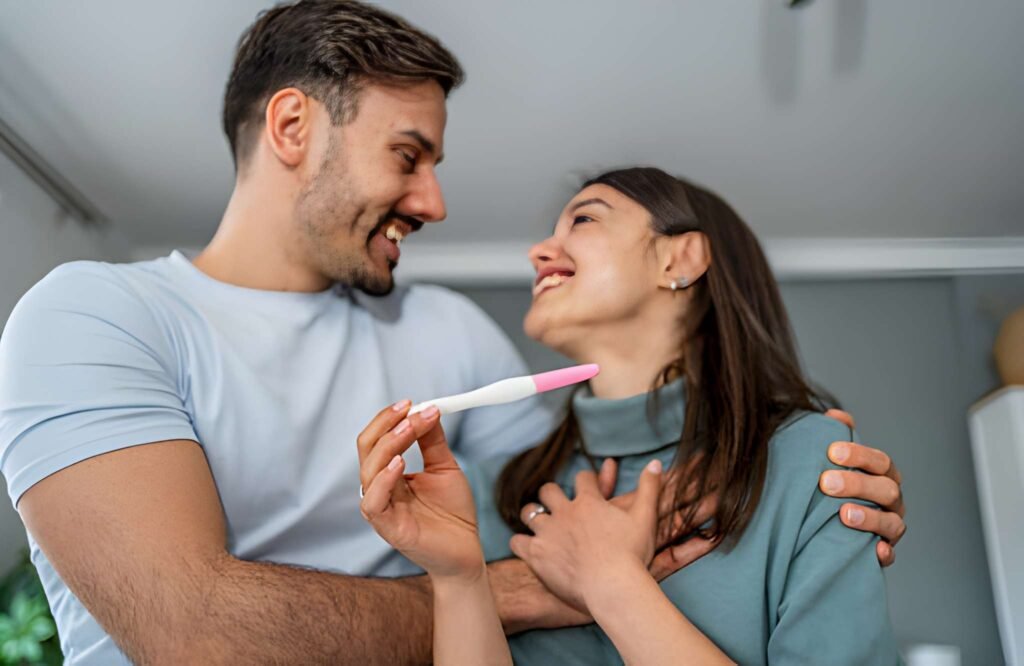
Decoding 14 DPO: Mastering the Signals of Early Pregnancy
DPO Defined: 14 DPO stands for 14 Days Past Ovulation. This timeframe is critical because it usually marks the end of the two-week wait and is the day most women expect their menstrual period to begin. By 14 DPO, if conception occurred, the human chorionic gonadotropin (hCG) hormone should be at a level high enough for most standard home pregnancy tests to detect.
Table of Contents
The passage to parenthood is filled with moments of anticipation, and the time around 14 DPO is arguably the most intense. This single day serves as a pivotal marker—it is the typical deadline for the luteal phase, the moment your body either sheds the uterine lining to begin a new cycle or commits to nurturing a newly implanted embryo. When trying to conceive, every subtle change feels magnified, and differentiating between premenstrual syndrome (PMS) and early pregnancy signs becomes a complex exercise in self-observation.
This article provides a calm, evidence-based guide to help you navigate the physical sensations and hormonal dynamics at play on this crucial day. We move beyond simple symptom lists to explore the underlying biology and offer practical comparisons, allowing you to interpret your body’s signals with clarity and confidence.
1. The Hormonal Reality at 14 DPO
At 14 DPO, your body operates under one of two distinct hormonal commands, dictating whether pregnancy proceeds or the menstrual cycle renews. Understanding these commands is fundamental to interpreting your physical state.
Progesterone: The Luteal Phase Constant
The hormone Progesterone is the primary architect of the entire two-week wait (TWW). Produced by the corpus luteum (the remnants of the follicle that released the egg), progesterone peaks around 7 to 10 DPO, regardless of pregnancy. Its function is to enrich the uterine lining and prevent contractions. Many classic PMS symptoms—bloating, breast tenderness, mood shifts, and fatigue—are purely the side effects of this progesterone surge, making them unreliable indicators of conception.
hCG: The Pregnancy Signal
If a fertilized egg successfully implanted into the uterine wall (which typically happens between 6 and 12 DPO), a new hormone enters the scene: Human Chorionic Gonadotropin (hCG). The cells that eventually form the placenta begin producing hCG, which signals the corpus luteum to continue progesterone production, thereby preventing the period. By 14 DPO, the hCG concentration in both blood and urine is often high enough for detection.
2. The Great Symptom Overlap: PMS vs. Pregnancy
The challenge at 14 DPO lies in the frustrating similarity between PMS and early pregnancy symptoms. Both conditions are governed by fluctuating progesterone levels. However, subtle differences in intensity, timing, and accompanying factors can offer clues.
Interactive Comparison: PMS vs. Pregnancy Clues
PMS: General tiredness, often manageable. Decreases once menstruation begins.
Pregnancy: Often described as bone-deep exhaustion. The body uses massive energy to build the placenta and increase blood volume. This fatigue frequently persists or intensifies post-14 DPO.
PMS: May involve mild queasiness or digestive upset, often brief.
Pregnancy: Nausea ("morning sickness") is typically more frequent and can strike at any hour. It's directly linked to the rapid rise of hCG, a hormone absent in a non-pregnant cycle. Heightened smell sensitivity often accompanies this symptom.
PMS: BBT drops back toward the pre-ovulation baseline temperature, usually 1 or 2 days before the period starts.
Pregnancy: BBT stays elevated due to sustained high progesterone levels. A sustained high temperature past 14 DPO, sometimes called a "triphasic pattern," is a strong, though not guaranteed, indication of pregnancy.
3. Key 14 DPO Symptoms to Monitor
While definitive confirmation requires a test, certain physiological changes are highly relevant at 14 DPO.
Implantation Bleeding vs. Menstruation
The appearance of blood at 14 DPO creates the most confusion. Is it the start of a period, or is it a final sign of implantation? Implantation, the process where the embryo embeds into the rich uterine lining, can sometimes cause light spotting.
| Characteristic | Implantation Bleeding (Pregnancy) | Menstruation (PMS) |
|---|---|---|
| Flow Intensity | Very light spotting, only a few drops or streaks. | Starts light, rapidly progresses to a moderate or heavy flow. |
| Color & Consistency | Pink, light red, or rusty brown. No clots present. | Bright red or dark red. Clots often present. |
| Duration | A few hours to 1–2 days, generally sporadic. | 3 to 7 days, with continuous, predictable flow. |
Note: Approximately 25 percent of pregnant individuals experience implantation bleeding. Its absence is completely normal.
Cramping and Abdominal Twinges
Mild uterine cramps are incredibly common at 14 DPO, caused both by the shedding of the uterine lining (PMS) or the rapid expansion and adjustment of the uterus to accommodate the pregnancy (early pregnancy).
- PMS Cramps: These usually intensify in the hours preceding the menstrual flow. They are often described as a deep, throbbing, or aching pain localized in the lower abdomen and radiating to the lower back.
- Pregnancy Cramps: These are typically much milder, more like a dull ache or a persistent pulling sensation rather than debilitating pain. They are generally short-lived and should not be as severe as regular period cramps. If you experience severe, one-sided abdominal pain, contact a healthcare provider immediately to rule out complications like ectopic pregnancy.
Breast Changes and Tenderness
Breast tenderness is one of the most frequently reported symptoms across both groups, thanks to progesterone. However, the presence of hCG accelerates changes that might help distinguish pregnancy.
- Intensity and Persistence: In PMS, tenderness often begins to subside once the period starts. In pregnancy, the soreness and fullness typically persist and may increase over the next few weeks as hormones continue to surge.
- Areola Changes: Look for visual clues. In early pregnancy, the areolas (the pigmented skin around the nipples) may darken in color and sometimes increase in diameter. Small bumps on the areola, called Montgomery’s Tubercles, may become more pronounced. These changes are specific to pregnancy hormones preparing the breasts for lactation.
Persistent Fatigue and Nausea
The intense hormonal production required to build the placenta causes a massive energy expenditure, resulting in profound fatigue. This tiredness often hits suddenly and cannot be cured by a nap. Similarly, the surge of hCG is responsible for 70 to 80 percent of women experiencing nausea, often referred to as morning sickness, which is a symptom far less common and typically milder in standard PMS.
4. Pregnancy Test Accuracy at 14 DPO
For most individuals with a regular 28-day cycle, 14 DPO is the day the period is expected, making it the most accurate time to take an at-home urine pregnancy test.
The sensitivity of home pregnancy tests (HPTs) is measured by the minimum level of hCG they can detect, usually around 25 mIU/mL. By 14 DPO, the median hCG level in a viable pregnancy is well within the detectable range, often around 137 mIU/mL, though this varies greatly.
Interpreting Results:
- Positive Result: A clear positive, even a faint line, at 14 DPO is highly reliable and confirms pregnancy. The presence of the hCG hormone means a fertilized egg has implanted.
- Negative Result: A negative result at 14 DPO is usually accurate, but not 100 percent conclusive. Late implantation (closer to 12 DPO) may mean hCG levels have not quite doubled enough to register on the test. If your period does not arrive within 48 hours, retesting is advised.
Calculation Corner: HCG Doubling Time
HCG levels should double approximately every 48 to 72 hours in a healthy early pregnancy. If implantation occurred late, say at 12 DPO, and the initial level was 10 mIU/mL, the expected level at 14 DPO would be:
A sensitive 25 mIU/mL test might miss this. Waiting another 48 hours for 16 DPO would push the level to approximately 40 mIU/mL, ensuring a detectable result.
5. Managing the Two-Week Wait Stress
The emotional turbulence around 14 DPO is profound, often amplified by the pressure of socioeconomic factors. For many US families, the desire to conceive is tied to planning for childcare costs, career shifts, and healthcare access. The anxiety of the TWW is compounded by the financial and logistical preparations that may follow a positive test. Maintaining emotional regulation is essential.
Actionable Steps for Emotional Wellbeing:
- Limit Symptom Checking: Excessive scrutiny of every cramp or twinge increases stress hormone production, which serves no positive purpose. Set one time per day to assess your physical state and then redirect your focus.
- Engage in Low-Impact Movement: Gentle walking or prenatal yoga helps regulate blood flow and reduce stress hormones like cortisol. This promotes physical health without risking undue strain.
- Define the Waiting Window: Commit to testing only on 14 DPO or later. This structured approach reduces the temptation for premature testing, minimizing unnecessary emotional disappointment from false negatives.
- Prepare for Both Outcomes: Mentally acknowledge that a period is possible. This is not pessimistic; it is protective. If your cycle begins, it allows you to transition quickly to planning the next cycle, focusing on what remains in your control.
Ultimately, 14 DPO is a crossroads, a moment demanding both patience and self-care. Use the knowledge of hormonal shifts and symptom comparisons to ground your interpretation of physical signals, but rely on the highly accurate home pregnancy test for confirmation. Trust the process your body is navigating, recognizing that regardless of the immediate outcome, you are engaging in a powerful journey of intention and creation.
© | Expert Child and Mother Health Content.