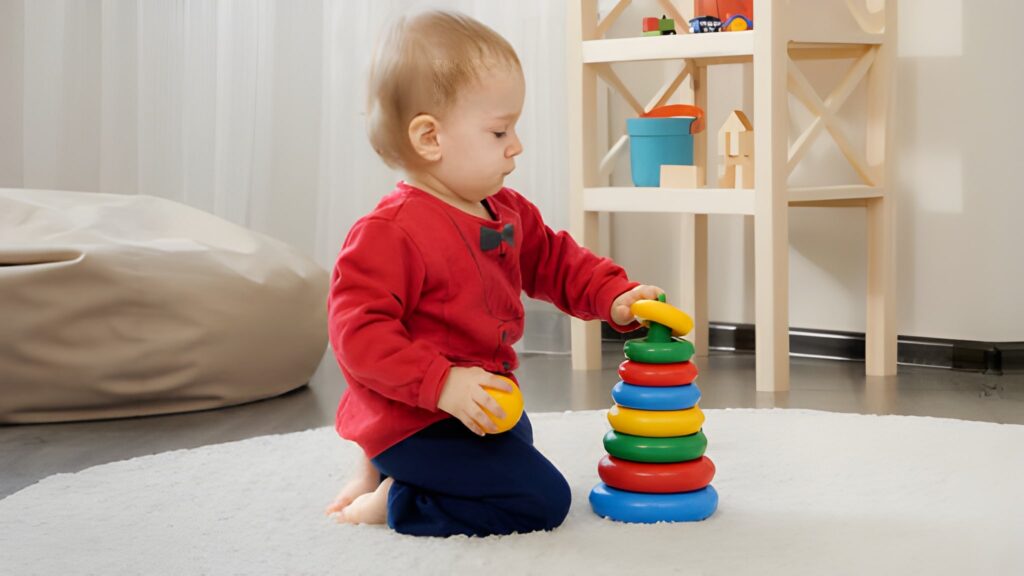
The first year of life is the most dynamic period of development, laying the foundation for all future growth. During this time, infants undergo rapid changes in physical, cognitive, language, and social-emotional domains. Understanding these changes helps parents, caregivers, and educators provide the right support, foster healthy attachments, and identify potential developmental concerns early. While every child develops at their own pace, general milestones provide a roadmap to track progress.
Physical Development
Infants experience extraordinary physical growth during the first year. On average, newborns double their birth weight by 4–6 months and triple it by 12 months. Length typically increases by about 50% in the first year. Motor development follows a predictable pattern, moving from reflexive actions to purposeful movements.
| Age Range | Physical Milestones | Gross Motor Skills | Fine Motor Skills |
|---|---|---|---|
| 0–3 months | Gains 1.5–2 lbs/month, length increases ~1 inch/month | Lifts head briefly, moves arms and legs | Hands mostly closed, reflexive grasp |
| 3–6 months | Gains 1 lb/month | Rolls over, supports upper body | Reaches for objects, brings hands to mouth |
| 6–9 months | Steady growth, improved muscle tone | Sits without support, begins crawling | Transfers objects between hands, rakes objects |
| 9–12 months | Gains 1 lb/month, grows ~0.5 inch/month | Pulls to stand, cruises along furniture, may take first steps | Pincer grasp, claps hands, points |
Cognitive Development
Cognitive development in the first year is primarily within Piaget’s sensorimotor stage, where infants learn through sensory experiences and motor interactions. Key cognitive milestones include:
- Object Permanence: Around 6–9 months, babies understand that objects exist even when out of sight.
- Cause-and-Effect Understanding: Infants learn that certain actions produce outcomes (e.g., shaking a rattle makes noise).
- Exploratory Behavior: Infants experiment with objects using senses—touch, taste, sight, sound, and movement.
| Age | Cognitive Skills | Examples |
|---|---|---|
| 0–3 months | Focuses on faces, tracks objects | Watches caregiver’s movements, recognizes familiar voices |
| 3–6 months | Explores with hands and mouth | Reaches for toys, brings objects to mouth |
| 6–9 months | Understands object permanence | Searches for hidden toys, shows curiosity |
| 9–12 months | Problem-solving through trial and error | Uses gestures, manipulates objects to achieve goals |
Language Development
Language development starts with pre-linguistic communication and gradually progresses to early words by the end of the first year.
- 0–3 months: Coos, gurgles, cries to communicate needs.
- 3–6 months: Babbles with consonant sounds (“ba,” “da”), responds to sounds and voices.
- 6–9 months: Imitates sounds, understands simple words like “no” or “bye-bye.”
- 9–12 months: Says first words (e.g., “mama,” “dada”), uses gestures like pointing, waving, or shaking head.
| Age | Language Skills | Communication Examples |
|---|---|---|
| 0–3 months | Coos, responds to sounds | Smiles or quiets in response to voice |
| 3–6 months | Babbles, experiments with sounds | Laughs, vocalizes pleasure |
| 6–9 months | Imitates sounds, understands simple words | Reaches for objects when named |
| 9–12 months | First words, uses gestures | Points to objects, waves, says “mama/dada” |
Social and Emotional Development
Social-emotional development begins with attachment to caregivers and gradually expands to interactions with others. Responsive caregiving is critical in forming secure attachment, which influences later social and emotional outcomes.
- 0–3 months: Recognizes caregiver, responds to familiar faces, expresses basic emotions like contentment or distress.
- 3–6 months: Enjoys social interaction, begins to show pleasure through smiles or vocalizations.
- 6–9 months: Develops stranger anxiety, expresses preference for primary caregivers.
- 9–12 months: Shows empathy, expresses basic emotions, seeks comfort from caregivers, engages in social games like peekaboo.
| Age | Social Skills | Emotional Milestones | Typical Play |
|---|---|---|---|
| 0–3 months | Responds to faces and voices | Smiles, expresses distress | Sensory exploration with caregiver |
| 3–6 months | Enjoys interaction, laughs | Begins emotional expression | Reaches, grasps, and shakes toys |
| 6–9 months | Shows attachment, stranger anxiety | Expresses preferences | Imitates actions, simple games |
| 9–12 months | Engages socially, shows empathy | Seeks comfort, reacts to others’ emotions | Interactive play, gestures, imitation |
Health and Nutrition
Nutrition is essential in the first year for optimal growth and brain development. Breastfeeding is recommended for the first six months, providing necessary nutrients and antibodies. By 6 months, solid foods can be introduced while continuing breastfeeding or formula. Iron, zinc, protein, and essential fats are critical for brain and body development. Sleep patterns also emerge in this period, with infants gradually sleeping longer stretches at night and taking naps during the day.
Monitoring Development and Early Intervention
Regular pediatric check-ups are vital to monitor weight, height, head circumference, motor milestones, and cognitive and social development. Developmental delays in motor skills, speech, or social engagement should prompt consultation with healthcare professionals. Early intervention can substantially improve long-term outcomes for children at risk of developmental delays.
Practical Strategies for Caregivers
- Engage in Face-to-Face Interaction: Talk, sing, and maintain eye contact to support attachment and language skills.
- Encourage Exploration: Provide safe spaces and age-appropriate toys for sensory and motor development.
- Respond to Cues: Attend promptly to cries, gestures, and facial expressions to foster security and trust.
- Promote Healthy Sleep: Establish routines and a calm sleep environment.
- Introduce Language Early: Narrate daily activities, read books, and use gestures to enhance communication.
- Provide Nutrition: Ensure breastfeeding or formula feeding, introduce complementary foods appropriately.
Conclusion
The first year of life is a period of rapid and transformative growth across physical, cognitive, language, and social-emotional domains. Caregivers play a crucial role in nurturing development by providing responsive care, safe environments, and stimulating experiences. Monitoring milestones, fostering secure attachments, and promoting early learning lay a strong foundation for continued growth and success in later childhood and beyond.