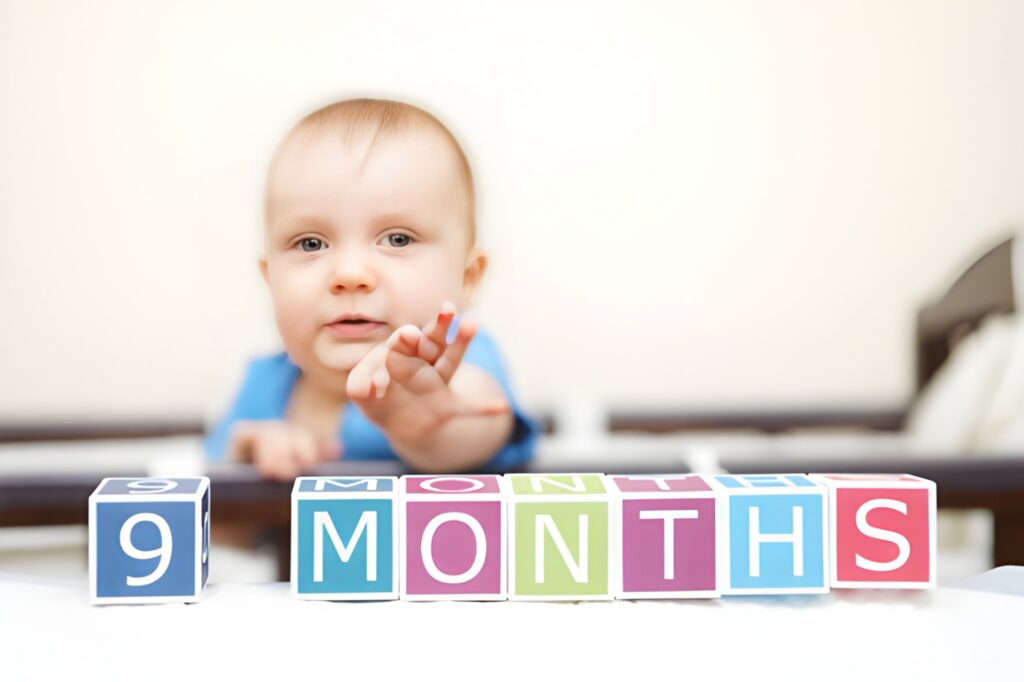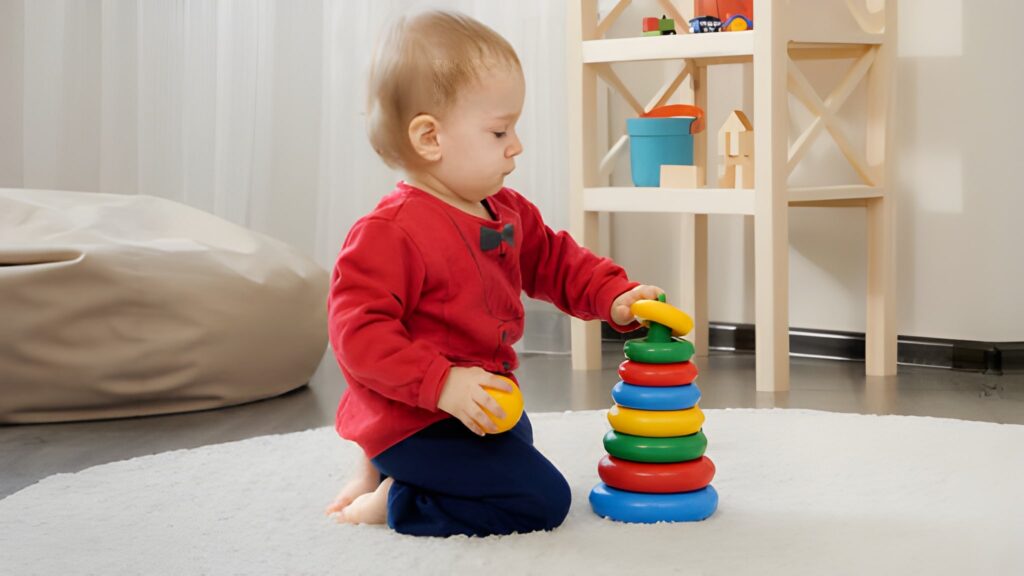
The period from birth to age five is often described as the most critical stage in a child’s life. During these years, children grow physically, develop essential cognitive skills, begin to communicate through language, and form the emotional and social foundations that shape their future. A 0–5 child development book provides parents and caregivers with structured guidance to understand milestones, create nurturing environments, and address challenges that naturally arise in early childhood. This comprehensive guide explores child development from multiple angles, offering practical strategies supported by research and contextualized for families in the United States.
The Importance of Understanding Early Development
Research consistently shows that experiences in the first five years have long-term effects on academic success, social adjustment, and overall health. The brain grows at its fastest rate during this time, creating billions of neural connections shaped by interaction, stimulation, and care. Parents who understand these processes can foster healthy growth by offering safe environments, engaging interactions, and supportive routines. A book dedicated to this age range allows families to move beyond trial and error and make informed choices rooted in developmental science.
Domains of Development in the Early Years
Child development is commonly divided into several interconnected domains. Understanding these domains helps parents recognize progress and provide targeted support.
Physical Development
This domain includes motor skills, growth in height and weight, and overall health. From rolling over in infancy to balancing on one foot at age five, physical abilities expand rapidly. Adequate nutrition, sleep, and opportunities for active play are central to this growth.
Cognitive Development
Cognitive growth involves thinking, problem-solving, memory, and learning. Infants explore with their senses, toddlers begin symbolic play, and preschoolers show early math and literacy understanding. Parents can encourage cognitive development by asking questions, offering puzzles, and allowing children to explore safely.
Language Development
From cooing and babbling to speaking in full sentences, language development reflects both brain growth and social interaction. Rich conversations, storytelling, and exposure to books strengthen vocabulary and comprehension.
Social and Emotional Development
Children learn to form relationships, regulate emotions, and understand others. Secure attachment with caregivers provides the foundation for empathy, cooperation, and resilience. Parents who respond consistently to their child’s needs foster emotional stability.
Adaptive Development
Adaptive skills involve practical tasks like eating independently, dressing, and toileting. These skills reflect a child’s growing autonomy and readiness for school and social settings.
Developmental Milestones by Age
Although every child develops at a unique pace, general patterns can be observed. The following table outlines typical milestones from birth to age five.
| Age Range | Physical Development | Cognitive Development | Language Development | Social/Emotional Development |
|---|---|---|---|---|
| 0–6 months | Lifts head, rolls over, sits with support | Explores objects with mouth and hands | Coos, babbles | Smiles at caregivers, responds to comfort |
| 6–12 months | Crawls, pulls to stand | Object permanence develops | First words, gestures | Stranger anxiety, enjoys peek-a-boo |
| 1–2 years | Walks, runs, scribbles | Imitates actions, simple problem-solving | Vocabulary grows quickly | Parallel play, strong attachment to parents |
| 2–3 years | Climbs, jumps, uses utensils | Pretend play, recognizes self in mirror | Two- to three-word sentences | Tantrums, seeks independence |
| 3–4 years | Pedals tricycle, builds towers | Understands counting, categorizes objects | Longer sentences, asks questions | Cooperative play, empathy emerges |
| 4–5 years | Balances on one foot, draws shapes | Early literacy, storytelling | Converses easily, asks “why” | Forms friendships, manages emotions better |
Milestones should be used as guides rather than rigid expectations. If a child shows delays, supportive environments and, when necessary, professional evaluation can make a significant difference.
The Role of Parents and Caregivers
Parents play a central role in shaping early development. Their daily interactions provide children with opportunities to learn and feel secure. Caregivers outside the family, such as childcare providers or teachers, also contribute by offering structured routines and social interaction.
Creating a Nurturing Environment
A safe, predictable environment allows children to explore freely without unnecessary stress. Consistent routines for sleeping, eating, and playing reduce anxiety and give children a sense of stability.
The Power of Responsive Interaction
When caregivers respond promptly and warmly to cries, gestures, and words, children learn that communication matters. This responsiveness strengthens language skills and emotional regulation.
Encouraging Exploration
Children are natural explorers. Providing age-appropriate toys, books, and outdoor activities supports curiosity and problem-solving. Parents should balance supervision with freedom to try new tasks.
Cultural and Socioeconomic Factors in Development
Development does not occur in isolation but within a cultural and socioeconomic context. Families in the United States vary widely in traditions, resources, and opportunities.
Cultural Perspectives
Cultural beliefs shape how parents approach feeding, discipline, independence, and education. For example, some cultures emphasize collective caregiving and extended family involvement, while others prioritize early independence. A development book should respect these differences and offer flexible strategies that align with diverse traditions.
Socioeconomic Challenges
Poverty, food insecurity, and limited access to healthcare affect developmental opportunities. Children in low-income families may have fewer educational resources and face stressors that influence emotional well-being. However, protective factors such as strong family bonds, community support, and access to public programs can buffer against negative outcomes.
| Socioeconomic Factor | Potential Impact | Supportive Strategies |
|---|---|---|
| Limited access to childcare | Fewer social opportunities | Encourage free playgroups, library programs |
| Food insecurity | Delayed physical growth, low energy | Promote affordable nutrition plans, federal food assistance |
| Parental stress | Emotional insecurity in children | Offer stress management resources, family counseling |
| Limited healthcare | Missed developmental screenings | Encourage community health clinics and early intervention |
Practical Strategies for Supporting Development
Promoting Language Growth
Reading aloud daily, singing songs, and having back-and-forth conversations help build vocabulary and comprehension. Parents should respond to a child’s sounds and questions with patience, reinforcing the value of communication.
Supporting Physical Development
Providing opportunities for movement, from tummy time in infancy to outdoor play in preschool years, strengthens muscles and coordination. Parents should limit screen time to ensure active play remains central.
Encouraging Cognitive Skills
Simple games like matching objects, sorting shapes, and counting everyday items develop problem-solving and math readiness. Storytelling and asking open-ended questions promote imagination and reasoning.
Nurturing Social and Emotional Health
Parents can model empathy, encourage sharing, and help children name their feelings. Setting limits with warmth teaches self-control without creating fear.
Building Adaptive Skills
Daily routines like dressing, brushing teeth, and helping with household tasks build independence and responsibility. Encouraging children to participate in chores fosters confidence.
Comparison of Parenting Approaches
Different parenting styles influence child outcomes. The following chart compares common approaches.
| Parenting Style | Characteristics | Possible Outcomes |
|---|---|---|
| Authoritative | Warm, responsive, sets clear boundaries | High self-esteem, good social skills, strong academics |
| Authoritarian | Strict, little flexibility, less emotional support | Obedience, but lower happiness and creativity |
| Permissive | Warm, few rules, little discipline | Strong creativity, but risk of poor self-control |
| Neglectful | Low warmth and guidance | Higher risk of developmental delays and behavioral issues |
Research suggests that authoritative parenting balances warmth with boundaries, offering the most positive outcomes. However, cultural values and family circumstances influence how parenting styles are expressed.
Preparing for School Readiness
By age five, children begin transitioning to formal education. A development book should guide parents in preparing children for this shift.
Academic Skills
Recognizing letters, counting objects, and following simple instructions build a foundation for kindergarten.
Social Skills
Children entering school benefit from learning to share, take turns, and follow group routines.
Emotional Readiness
Resilience, curiosity, and the ability to handle frustration are as important as academic preparation. Parents can foster readiness by encouraging problem-solving and persistence.
Conclusion
A 0–5 child development book is more than a collection of milestones. It is a roadmap that equips parents and caregivers with the knowledge to support growth in all areas of a child’s early life. From physical and cognitive skills to social and emotional development, every stage presents opportunities for learning and bonding. By understanding developmental science, respecting cultural diversity, and adapting strategies to family circumstances, parents can create strong foundations for their child’s future.