The Physical Experience: More Familiar, Often More Intense
The core biological process of pregnancy remains constant, but the second time around, your body begins from a different starting point. Prior pregnancy fundamentally alters the musculoskeletal and hormonal systems. This can lead to a more intense experience of certain symptoms, coupled with a keen awareness of what is happening internally.
Faster Show: When the Bump Appears
One of the most immediate physical differences is the timing of the "bump." In a first pregnancy (nulliparous), the abdominal muscles and uterus are firm and have never been stretched to full-term capacity. The uterus typically takes longer to project forward, meaning the bump often becomes noticeable closer to 16–20 weeks.
In a second or subsequent pregnancy (multiparous), the uterine ligaments and abdominal muscles (the rectus abdominis) retain memory of their previous stretching. This elasticity allows the uterus to expand and project much sooner. It is common for the baby bump to appear **a full month or two earlier** than in the first pregnancy, sometimes showing as early as 12–14 weeks.
Symptom Timing and Intensity: Heightened Awareness
While morning sickness or fatigue may be comparable in duration, how you interpret and experience symptoms changes dramatically due to experience. The second-time parent is often more attuned to the subtle shifts in their body, identifying symptoms long before they become pronounced.
Fetal Movement: Quicker and Clearer Perception
Fetal movements, known as quickening, are typically felt around 18–22 weeks in a first pregnancy. However, multiparous individuals usually feel these flutters much earlier, often between **13 and 16 weeks**. This earlier perception occurs because the mother already knows exactly what the sensation feels like, distinguishing it from gas or digestive movements almost immediately.
Braxton Hicks Contractions
Braxton Hicks contractions (practice contractions) often begin earlier and are felt more distinctly in a second pregnancy. The uterus is primed and more reactive. While they remain irregular and painless for most, their frequency can sometimes cause concern due to the increased sensation.
Uterus, Pelvis, and Abdominal Tone: The Aches of Experience
The subsequent pregnancy places different, often greater, stresses on the structural elements of the torso and pelvis. The muscles and joints, already loosened and stretched, may register discomfort sooner.
Round Ligament Pain
This sharp, brief pain in the lower abdomen or groin, caused by the stretching of the ligaments supporting the uterus, tends to be more pronounced in subsequent pregnancies. Because the ligaments are already stretched, they may spasm more intensely as the uterus grows rapidly early on.
Pelvic Girdle Pain (PGP)
PGP or symphysis pubis dysfunction (SPD) is often reported to be worse in second and third pregnancies. The hormone relaxin, which loosens pelvic joints, acts on ligaments that may not have fully recovered their tension from the first pregnancy. This lack of stability can lead to greater pain and mobility issues, sometimes requiring physical therapy sooner in the second trimester.
Posture and Back Strain
Carrying a toddler or constantly bending and lifting while pregnant adds significant physical strain. This often exacerbates backaches and fatigue much earlier than the first time around, where the focus was primarily on personal comfort.
Emotional and Psychological Shifts: From Obsession to Obligation
The mental and emotional landscape changes fundamentally between the first and second pregnancy. Novelty is replaced by familiarity, and anxiety shifts its focus.
First Pregnancy: The Novice's Focus
- **Obsession:** High focus on every symptom, reading numerous books, and meticulously tracking development.
- **Identity Shift:** Intense focus on transitioning into motherhood and the unknown changes to life.
- **Anxiety:** High anxiety regarding miscarriage, birth, and fetal health due to lack of experience.
- **Attention:** Receiving constant attention and advice from family and friends.
Second Pregnancy: The Veteran's Focus
- **Distraction:** Symptoms are often ignored or minimized due to the demands of caring for an older child.
- **Practicality:** Focus shifts to logistics—childcare during labor, managing the transition for the older sibling, and ensuring financial readiness.
- **Guilt:** Common feelings of guilt that the second baby is not receiving the same intense focus or documentation as the first.
- **Energy:** Chronic tiredness due to lack of rest, juggling parental duties with pregnancy demands.
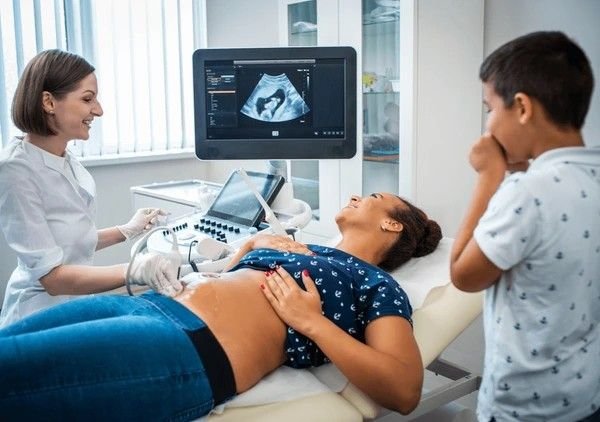
It is crucial to recognize that the lack of attention given to the second pregnancy is not a lack of love. It reflects a shift in priority from self-monitoring to managing a family unit. To counteract guilt, a parent can: Involve the older child in simple ways (feeling the kicks, helping select small items) and document key milestones, even if briefly, to ensure the second child has a record of their own prenatal journey.
Labor, Delivery, and Recovery: The Speed Factor
The mechanics of childbirth are fundamentally affected by prior delivery. The body is more efficient, though post-birth recovery presents new challenges.
Labor is Typically Shorter
For most women, the total duration of labor in a second pregnancy is significantly reduced. This is primarily because the muscles of the cervix and uterus have already undergone the thinning (effacement) and opening (dilation) process. The first stage of labor (cervical dilation) often progresses **twice as fast** in multiparous women compared to first-time mothers.
Postpartum Contractions (Afterpains)
Immediately after delivery, the uterus contracts strongly to shrink back down and close off the bleeding vessels where the placenta detached. These contractions, known as afterpains, are almost always **more noticeable and painful** in subsequent pregnancies. The muscles must work harder to contract a uterus that has already been stretched, and the process is managed with pain medication as needed.
Logistical and Social Changes: From Focus to Function
The greatest contrast lies in the external structure of the pregnancy. The first pregnancy revolves around the expectant parents; the second must revolve around the existing child.
Managing Appointments and Rest
Rest becomes a commodity, not a default. Attending prenatal appointments requires childcare coordination, and mid-day naps are often replaced by tending to a toddler. Planning for rest and scheduling help become critical components of survival during the second pregnancy.
Social Support and Attention
First pregnancies receive robust social attention. Second pregnancies, while still celebrated, often receive less fanfare. The focus shifts to the older sibling: how will they adjust? This shift requires the parents to proactively build a support network focused on practical help—meal trains, school pickups, or sibling-sitting—rather than celebratory focus.
Quick Comparison Table: First vs. Second Pregnancy
This table summarizes the most common physiological and psychological shifts observed between the first and second pregnancy.
| Characteristic | First Pregnancy (Primipara) | Second Pregnancy (Multipara) |
|---|---|---|
| "Showing" (Bump) | Later, typically 16–20 weeks, due to firm muscles. | Earlier, often 12–14 weeks, due to muscle elasticity. |
| Fetal Movement (Quickening) | Felt later, typically 18–22 weeks. | Felt earlier, typically 13–16 weeks, due to memory. |
| Round Ligament Pain | Less pronounced or starts later. | Starts earlier and can be more intense. |
| Pelvic Girdle Pain (PGP) | Often starts late in the third trimester. | Often starts sooner in the second trimester, potentially more severe. |
| Labor Duration | Longer, especially the first stage (up to 12+ hours). | Significantly shorter (often half the duration). |
| Postpartum Afterpains | Mild to moderate. | Significantly more intense, often requiring pain medication. |
| Emotional Focus | Intense focus on self, symptoms, and the new identity. | Focus on the older child, guilt, and logistics. |