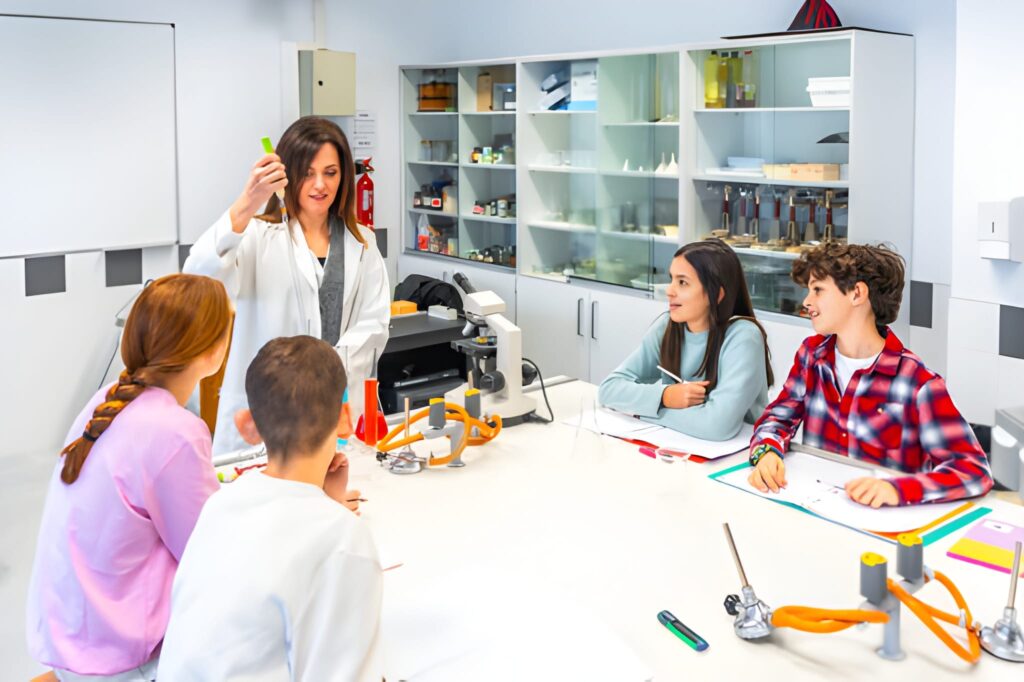
Primary education is the cornerstone of a child’s academic journey. It introduces structured learning, nurtures cognitive development, and establishes social and emotional skills that shape future growth. Across cultures and educational systems, the goals of primary education vary in emphasis, but five universal objectives consistently emerge. These objectives provide a framework for preparing children not only for higher education but also for responsible citizenship and lifelong personal development.
Objective 1: Cognitive Development and Foundational Literacy
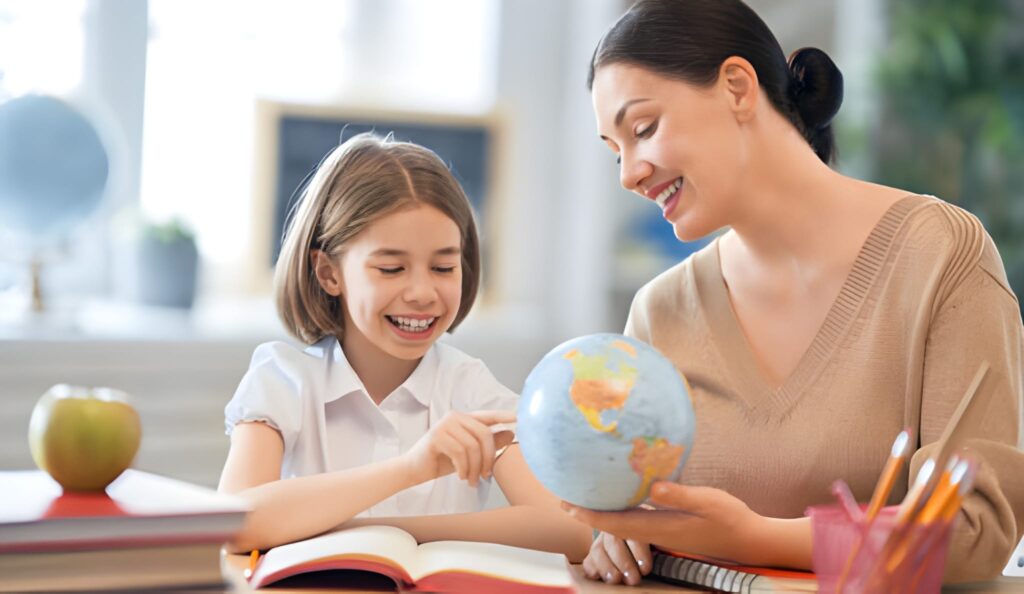
The first and most essential objective of primary education is to equip children with core literacy and numeracy skills. At this stage, children learn to read, write, and use numbers, which become the tools for further learning. Mastery of these basics ensures that children can engage with more complex subjects in later years. In addition to reading and mathematics, cognitive development includes fostering problem-solving, memory, and critical thinking. For example, reading comprehension exercises build analytical skills, while early science lessons introduce the concepts of observation and reasoning. These skills are essential not only for academic success but also for daily decision-making and adaptation in a changing society.
Objective 2: Socialization and Citizenship
Primary schools serve as one of the first structured environments where children interact with peers and authority figures outside the family. An important objective of primary education is to cultivate social skills and instill values of cooperation, respect, and responsibility. Through group activities, classroom discussions, and playground interactions, children learn to share, listen, and resolve conflicts. In many educational systems, civics education begins at this stage, teaching children about fairness, rules, and the importance of community. Developing early civic awareness lays the groundwork for responsible citizenship, where children grow into adults who respect diversity, contribute to society, and participate constructively in democratic processes.
Objective 3: Emotional and Personal Growth
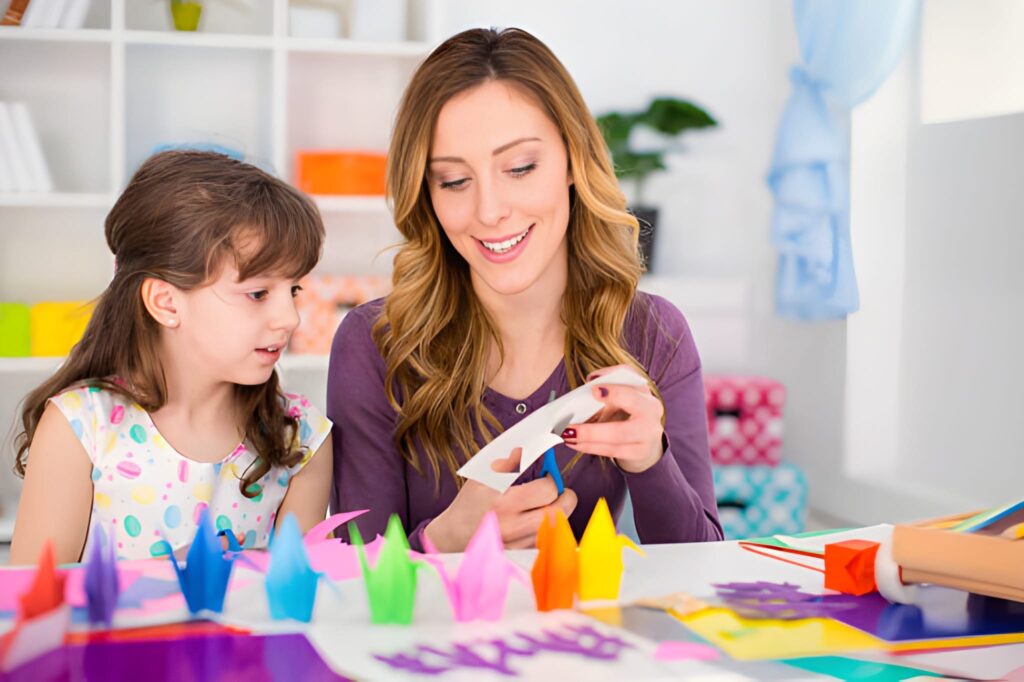
Another critical objective of primary education is fostering emotional intelligence and self-awareness. Children at this age are developing their identities, and schools provide opportunities to build self-esteem, resilience, and empathy. Teachers support this growth by encouraging children to express feelings, manage frustration, and practice self-control. Activities such as storytelling, role-play, and cooperative projects nurture empathy by allowing children to understand different perspectives. Furthermore, personal growth involves cultivating curiosity and a love for learning. When schools create a positive environment where mistakes are treated as learning opportunities, children develop confidence in their ability to take on challenges, which becomes an invaluable life skill.
Objective 4: Physical Development and Health Awareness
Primary education also emphasizes the physical well-being of children. Schools integrate physical education, sports, and health lessons to support motor skills, coordination, and healthy habits. Daily physical activities, whether through structured classes or free play, help prevent sedentary behavior and promote overall wellness. Health education introduces concepts such as hygiene, nutrition, and safety, encouraging children to make healthy choices early in life. This objective is particularly important in addressing broader public health concerns, such as childhood obesity and mental well-being. A balanced focus on both intellectual and physical development ensures that children grow into healthy individuals capable of sustained learning and productivity.
Objective 5: Preparing for Future Learning and Lifelong Skills
The final objective of primary education is to prepare children for secondary education and beyond by instilling learning habits and transferable skills. Beyond academic content, schools teach children how to learn: how to organize tasks, manage time, work independently, and collaborate with others. These skills are foundational for adapting to more advanced educational settings and for navigating life outside school. Primary education also introduces technology in many contexts, helping children develop digital literacy in an increasingly interconnected world. By emphasizing curiosity, adaptability, and perseverance, this stage ensures children are ready not only for future schooling but also for lifelong learning.
Comparative Overview of the Five Objectives
| Objective | Focus Area | Expected Outcomes |
|---|---|---|
| Cognitive Development | Literacy, numeracy, problem-solving | Foundational academic skills and critical thinking |
| Socialization and Citizenship | Peer interaction, civic awareness | Cooperation, respect, responsibility |
| Emotional and Personal Growth | Self-awareness, resilience, empathy | Confidence, empathy, curiosity |
| Physical Development | Health, fitness, hygiene | Strong motor skills, healthy habits |
| Preparation for Lifelong Learning | Learning strategies, adaptability | Independence, digital literacy, readiness for higher education |
Conclusion
Primary education plays a pivotal role in shaping children’s futures by providing a balance of academic, social, emotional, physical, and lifelong learning skills. The five objectives—cognitive development, socialization, personal growth, physical well-being, and preparation for future learning—form a holistic foundation that equips children to thrive in secondary education and in life. When these objectives are pursued together, primary schools do more than teach facts; they help raise well-rounded individuals capable of contributing positively to society.