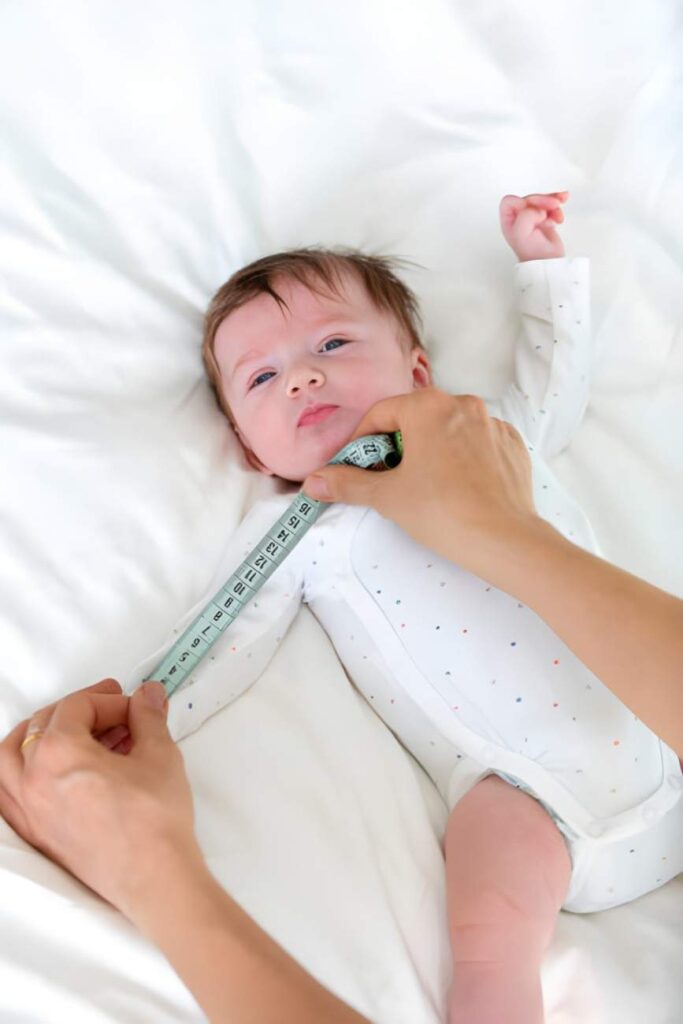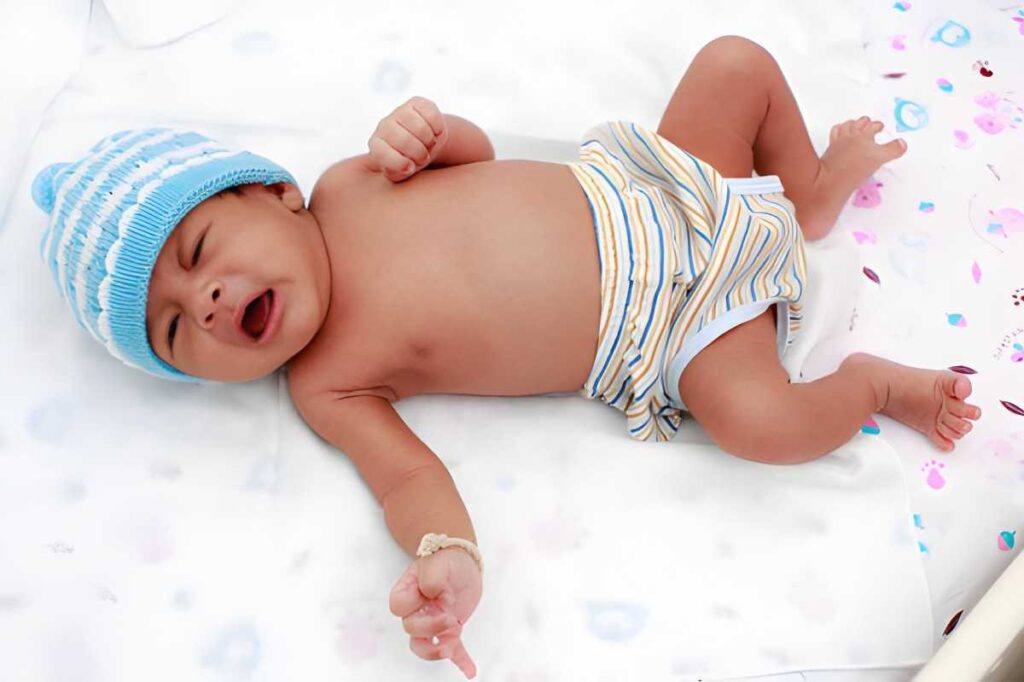
A newborn infant arrives with a fully formed set of eyes, yet they cannot yet "see" in the way adults do. Their visual world is a soft-focus tapestry of light, shadow, and movement. While a baby can hear clearly in the womb, their visual system remains largely dormant until the first moment they open their lids to the air. This delay is purposeful. The brain needs time to build the complex neurological highways required to process light into recognizable images. Understanding this progression helps parents provide the right stimuli at the right time, ensuring the child’s vision reaches its full potential.
The First Month: High Contrast Only
In the initial weeks of life, a baby’s visual acuity is roughly 20/400. To put this in perspective, an adult with this vision would be considered legally blind. The newborn’s eyes are physically capable of seeing, but the brain lacks the processing power to decipher fine details. They focus best on objects located between 8 and 12 inches from their face—exactly the distance to a parent’s face during cradling or feeding.
The Power of Black and White
During the first month, the retina is not yet sensitive enough to distinguish between subtle shades of color. Instead, the infant’s world is defined by contrast. They are naturally drawn to patterns with bold black and white stripes, checkers, or dots. These high-contrast images provide the sharpest signal to the brain, helping the visual cortex establish the first neural connections for edge detection and shape recognition.
Two to Four Months: The Arrival of Color
By the time a baby reaches two months, the world begins to take on a more vibrant hue. The cone cells in the retina, which are responsible for color vision, start to mature and synchronize with the brain. Red and orange are typically the first colors a baby recognizes, followed shortly by yellow and green. Blue and violet, which have shorter wavelengths, often take the longest to distinguish clearly.
Five to Eight Months: Depth and Tracking
This phase marks a significant leap in depth perception. Until about five months, a baby’s world is largely two-dimensional. As their binocular vision stabilizes, they begin to perceive the world in 3D. This development coincides with increased physical mobility. As the baby begins to roll, sit, and crawl, their visual system provides the spatial map necessary for navigation.
Refining Hand-Eye Coordination
During this period, the infant’s visual acuity improves to approximately 20/40. They can now spot a small crumb on the floor or a tiny button on a shirt. Their ability to track fast-moving objects also improves, allowing them to follow a ball rolling across a room or a pet running by. This is the ideal time to introduce toys with varying textures and shapes to further stimulate the link between sight and touch.
The Biology of the Growing Eye
The transformation of infant vision is driven by physical changes within the eye and the brain. At birth, the macula (the part of the retina responsible for central, sharp vision) is underdeveloped. Over the first year, the concentration of light-sensitive cells in the macula increases significantly.
| Anatomical Part | Status at Birth | Status at 12 Months |
|---|---|---|
| Lens | Relatively flat; low accommodation. | Flexible; can focus on near and far. |
| Optic Nerve | Partially myelinated; slow signal. | Fully myelinated; rapid signal transfer. |
| Eye Muscles | Weak; eyes may "wander." | Strong; precise, coordinated movement. |
| Visual Cortex | Few neural synapses. | Dense network of image-processing cells. |
Calculating Visual Acuity Progress
Visual acuity is a measure of the smallest detail a person can distinguish at a specific distance. Pediatricians use the Snellen scale to track this progress. For a newborn, the calculation reveals just how much work the brain has to do to catch up to an adult standard.
Newborn Estimate: 20/400 (Sees at 20 feet what an adult sees at 400 feet).
Percentage of Adult Function at Birth:
(20 / 400) * 100 = 5%
Percentage of Adult Function at 6 Months (Acuity ~20/40):
(20 / 40) * 100 = 50%
Result: The baby's visual resolution improves tenfold in the first half-year of life.
Supporting Your Baby's Vision
Parents can actively support this biological journey by providing age-appropriate visual challenges. In the early stages, the goal is clarity and contrast. As the baby grows, the goal shifts to coordination and spatial awareness. Modern US child development guidelines emphasize the "serve and return" interaction where visual engagement plays a primary role.
Practical Activities
1. The "Human Face" Game: Since faces are the ultimate stimulus, spend time making exaggerated expressions. Slow, deliberate movements help the baby track your features.
2. Contrast Cards: Place black and white cards on the side of the crib or changing table. Switch them out every few days to keep the stimulus "new" to the brain.
3. Mirror Play: By four months, babies love looking at reflections. A child-safe mirror helps them practice focusing on motion and depth.
4. Room Lighting: Use soft, indirect light. A newborn’s pupils are small and do not yet dilate effectively, making them sensitive to very bright or harsh lighting.
Common Concerns and Red Flags
While most visual development follows a predictable path, some variations require professional attention. In the United States, pediatric eye exams are typically recommended during well-child visits to catch issues like amblyopia (lazy eye) or strabismus (misalignment) early when they are easiest to treat.
During the first two months, it is common for an infant’s eyes to occasionally cross or wander outward. This happens because the eye muscles are still learning to work as a team. However, if the eyes remain constantly crossed or misaligned after the age of four months, you should consult a pediatric ophthalmologist.
Most babies are born with blue or gray eyes. The final eye color depends on the production of melanin in the iris. Significant shifts usually occur between 6 and 9 months, but subtle changes can continue until the child is 3 years old.
Watch for excessive tearing, red or encrusted eyelids, or extreme sensitivity to light. Additionally, if a baby does not follow a moving object with their eyes by 3 months, or if one pupil appears white or cloudy, seek medical advice immediately.
A Year of Discovery
By the time a child celebrates their first birthday, their visual world is nearly as sharp as an adult's. They have moved from a 12-inch focus window to a world where they can judge the distance of a bird in the sky or the location of a favorite toy across the playground. As we move through , the tools we have to track and support this development continue to improve. By observing and engaging with your baby’s visual journey, you are helping them build the primary sensory lens through which they will experience the world for the rest of their lives.