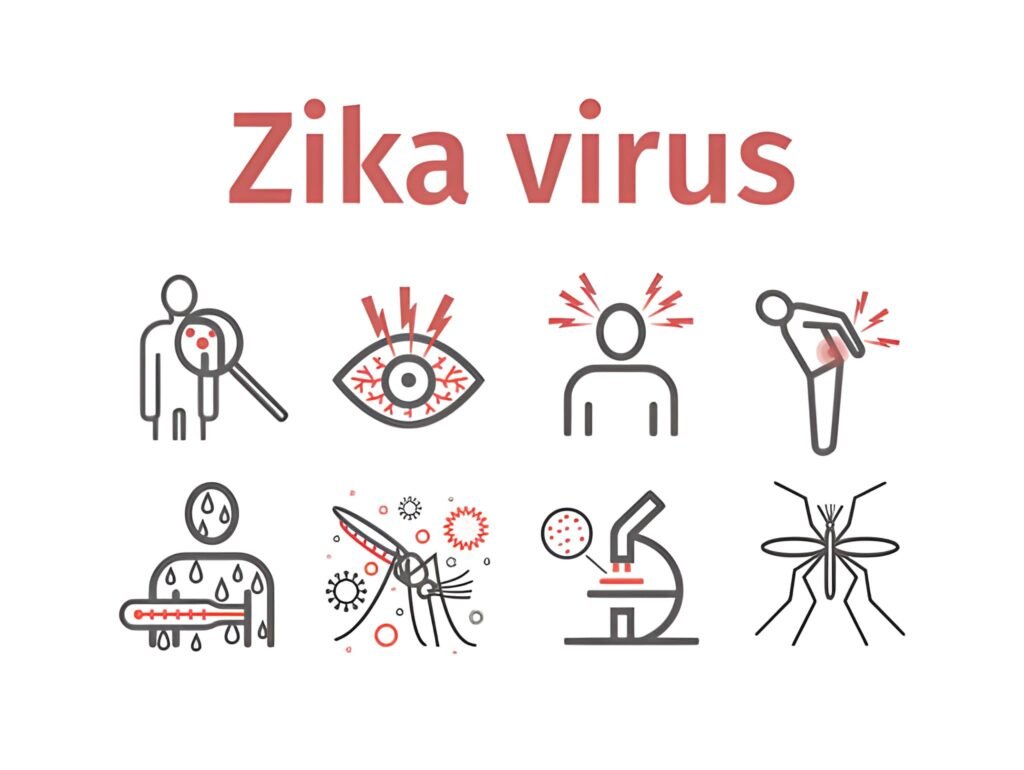
In the global landscape of infectious diseases, few pathogens sparked as much immediate concern for neonatal health as the Zika virus. While the scientific community identified the virus in the mid-twentieth century, its catastrophic potential only became clear during the massive outbreaks in 2015 and 2016. The most striking consequence of this epidemic was the sudden rise in newborns delivered with microcephaly—a condition characterized by a significantly smaller head size due to abnormal brain development in the womb.
As we navigate , Zika remains a critical point of study for epidemiologists and pediatricians. The virus targets neural progenitor cells, effectively hijacking the building blocks of the fetal brain. This guide provides a detailed analysis of the virus, its mechanism of action, and the strategies used to protect the most vulnerable members of society.
The Biology of the Zika Virus
Zika is a member of the Flaviviridae family, making it a close relative of other well-known diseases such as Dengue, Yellow Fever, and West Nile virus. It primarily spreads through the bite of infected Aedes aegypti and Aedes albopictus mosquitoes. These specific mosquitoes are notorious for their ability to thrive in urban environments and their preference for human hosts.
Unlike many other viruses that the maternal immune system successfully filters, Zika possesses a unique ability to cross the placental barrier. Once it enters the fetal circulation, it exhibits a terrifying affinity for the developing central nervous system. This direct assault on fetal neurons leads to the cluster of defects now formally recognized as Congenital Zika Syndrome.
The Physiological Impact: Microcephaly Explained
Microcephaly is not a single disease but rather a clinical finding that indicates the brain has stopped growing or has failed to develop properly. When the Zika virus infects a pregnant woman, it can invade the fetus at any trimester, though infection during the first and early second trimesters appears to carry the highest risk for severe structural damage.
Brain Tissue Destruction
The virus kills the cells intended to become the cerebral cortex. This leads to a thin cortex and a lack of the characteristic folds (gyri) that define a healthy human brain.
Intracranial Calcifications
Imaging often reveals calcium deposits within the brain tissue. These represent areas where the virus caused significant cell death and subsequent scarring.
Redundant Scalp Skin
Because the brain stops growing but the skin continues to develop, newborns often have excess, folded skin on their scalps, highlighting the underlying lack of skull volume.
Primary Pathways of Transmission
While the mosquito bite is the most common route, Zika is unique among flaviviruses because it can also spread through other pathways. This complexity makes containing outbreaks significantly more difficult for public health officials.
| Mode of Transmission | Mechanism | Risk Duration |
|---|---|---|
| Vector-Borne | Bite of an infected Aedes mosquito. | Active throughout mosquito lifespan. |
| Maternal-Fetal | Virus crosses the placenta during pregnancy. | Highest risk during 1st/2nd trimesters. |
| Sexual Transmission | Spread via semen or vaginal fluids. | Can persist in semen for several months. |
| Blood Transfusion | Contaminated blood products. | Period of active viremia in donor. |
Clinical Presentation and Diagnostic Methods
In adults, Zika is often "silent." Approximately 80% of infected individuals show no symptoms at all. Those who do fall ill typically experience a mild, self-limiting sickness. This lack of severe symptoms in the mother is precisely why the virus is so dangerous; many women do not realize they are infected until a routine ultrasound reveals fetal abnormalities.
Comprehensive Prevention and Vector Control
In the absence of a widely available vaccine, prevention remains the primary tool in the fight against Zika. Strategies focus on two fronts: reducing the mosquito population and preventing individual bites, particularly for pregnant women or those planning to conceive.
Environmental Management and "Source Reduction"
Aedes mosquitoes are "container breeders," meaning they can lay eggs in as little as a bottle cap of water. Community-wide efforts to eliminate standing water are the most effective way to lower the local mosquito population density.
If a community has 500 breeding sites and each site produces 200 mosquitoes per week:
500 x 200 = 100,000 new mosquitoes/week.
Reducing sites by 80% (leaving only 100):
100 x 200 = 20,000 new mosquitoes/week.
Result: 80,000 fewer potential vectors in the immediate vicinity.
Socioeconomic Context and Global Burden
The impact of Zika is not distributed evenly. The 2015 outbreak hit South and Central America hardest, where many communities lacked the infrastructure for consistent vector control or widespread access to prenatal diagnostic imaging. For families in these regions, the birth of a child with microcephaly introduces a lifetime of intensive care requirements, physical therapy, and financial strain.
In the United States, the focus remains on monitoring "imported" cases from travelers and maintaining surveillance in high-risk states like Florida and Texas. The economic burden of caring for a child with Congenital Zika Syndrome is estimated to be millions of dollars over the child's lifetime, factoring in specialized education, surgeries, and loss of income for caregivers.
Current Research and the Path Forward
Since the initial crisis subsided, research has shifted toward developing a viable vaccine. Several candidates reached clinical trials, including DNA and mRNA-based vaccines. Scientists are also exploring genetic modification of mosquitoes—releasing sterile males into the wild to crash the local population of Aedes aegypti.
Furthermore, we are now beginning to see the long-term data for children born during the 2015 peak. Many children who appeared normal at birth but were exposed to Zika in utero are showing delayed developmental issues, such as hearing loss, vision problems, and seizure disorders. This "late-onset" component of the syndrome necessitates long-term pediatric follow-up for any child with suspected prenatal exposure.
While Zika has faded from the daily headlines, the threat of another "spillover" event remains. Urbanization, climate change, and global travel create the perfect conditions for the virus to re-emerge. Maintaining robust public health surveillance and community education is the only way to ensure that the tragedy of the 2015 microcephaly crisis is never repeated.