Fragile Pathways: Managing Neonatal Blood Clotting Disorders
A Professional Resource for Neonatal Hemostasis and Care in
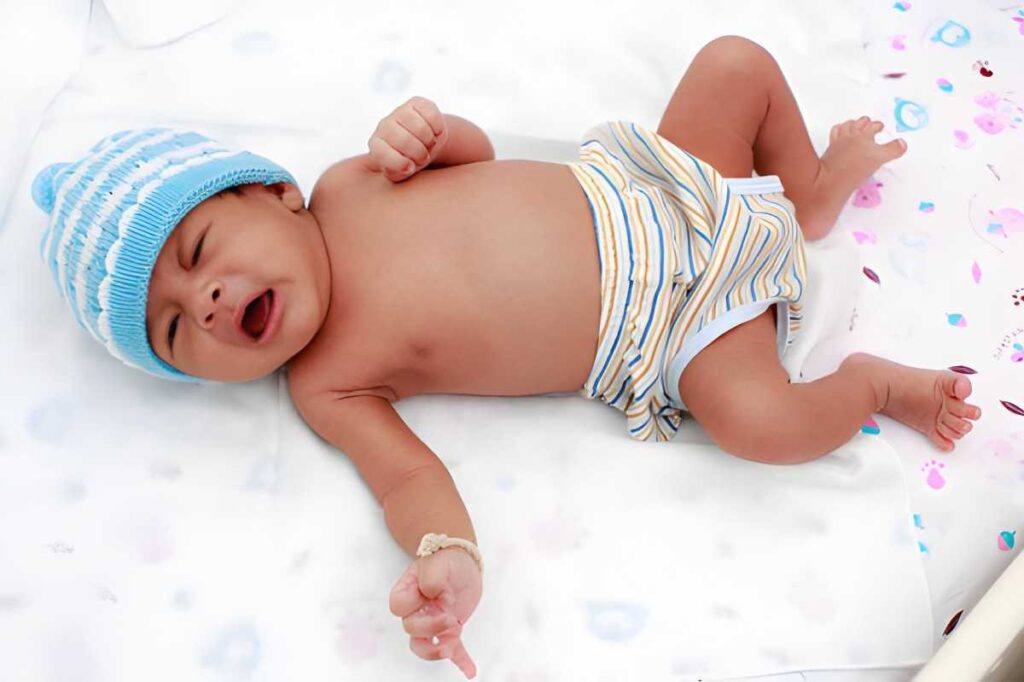
The transition from the womb to external life requires the immediate activation of the baby's circulatory system. While we often focus on heart rates and oxygen saturation, the blood clotting system—scientifically known as hemostasis—represents a silent, critical defense mechanism. A newborn baby who experiences difficulty with blood clotting faces significant risks, ranging from minor bruising to life-threatening internal bleeding. This guide explores the reasons why these delicate systems sometimes fail and how medical teams intervene to protect the newest members of our society.
In the United States, neonatal care standards include routine screenings and preventative treatments that have dramatically reduced the incidence of catastrophic bleeding. However, biological variations and genetic predispositions still lead to cases requiring specialized hematology. Understanding the underlying causes of clotting difficulty helps parents and clinicians act with speed and precision.
The Biological Mechanism of Neonatal Clotting
Blood clotting involves a complex series of events known as the clotting cascade. When a blood vessel suffers damage, the body triggers three primary responses: vessel constriction, platelet plug formation, and the activation of clotting factors. In newborns, this system is naturally immature. Most infants possess only 20 to 60 percent of the clotting factor levels found in adults. While this provides a baseline level of protection, the system operates with a much smaller margin for error.
Clotting Factor Maturity: Clotting factors like II, VII, IX, and X require Vitamin K for synthesis in the liver. Because Vitamin K does not cross the placenta efficiently and newborn intestines lack the bacteria to produce it, babies enter the world in a naturally deficient state.
The clotting process resembles a falling row of dominoes. If one factor remains absent or inactive, the entire chain fails. In a healthy infant, the system balances itself, but when external stressors or genetic gaps occur, the result is excessive bleeding or an inability to form a stable scab.
Vitamin K Deficiency Bleeding (VKDB)
Historically known as "hemorrhagic disease of the newborn," Vitamin K Deficiency Bleeding (VKDB) remains the most common preventable clotting disorder. Infants lack the necessary Vitamin K stores to produce the proteins that bind blood cells together. Without a preventative injection at birth, the risk of "late VKDB"—which often causes brain bleeds—remains a concern through the first six months of life.
Occurs within the first 24 hours of life. It usually stems from maternal medications that interfere with Vitamin K metabolism, such as certain anticonvulsants.
Appears between day 2 and day 7. This frequently links to delayed or inadequate feeding, as breast milk contains very low levels of Vitamin K.
Happens between week 2 and month 6. This is the most dangerous form, as it often presents without warning as a sudden intracranial hemorrhage.
Genetic Clotting Conditions: Hemophilia
When a clotting issue persists despite Vitamin K supplementation, doctors investigate genetic causes. Hemophilia stands as the most prominent hereditary clotting disorder. This condition primarily affects male infants due to its X-linked inheritance pattern. In Hemophilia A, the baby lacks Factor VIII, while Hemophilia B involves a deficiency in Factor IX.
The approximate frequency of male births affected by Hemophilia A in the United States.
A family history often points to these conditions, yet roughly 30 percent of cases arise from new genetic mutations with no prior family history. In these instances, the first sign of trouble often occurs after a routine medical procedure, such as a circumcision or a heel prick for metabolic screening. The site might ooze blood for hours despite the application of pressure, signaling a failure in the internal "plumbing" system.
Platelet Function and Thrombocytopenia
While clotting factors represent the chemical glue of the blood, platelets act as the physical bricks. If a newborn has a low platelet count—a condition called neonatal thrombocytopenia—the body cannot build the initial plug necessary to stop a leak. This condition affects roughly 1 to 5 percent of all newborns and up to 30 percent of those in neonatal intensive care units (NICU).
Clinicians look for "petechiae," which are tiny, pinhead-sized red or purple spots on the skin caused by minor bleeding from capillaries. Other signs include purpura (larger purple bruises) or prolonged bleeding from the umbilical cord stump.
Causes include maternal immune system responses where the mother's antibodies attack the baby's platelets, infections like sepsis, or rare bone marrow disorders. Treatment often involves platelet transfusions or intravenous immunoglobulin (IVIG) to stabilize the count.
Diagnostic Protocols and Blood Work
Physicians utilize specific laboratory tests to pinpoint the exact failure point in the clotting system. These tests measure the time it takes for blood to solidify under controlled conditions. When a baby shows signs of clotting difficulty, the medical team acts quickly to prevent complications like anemia or shock.
| Test Name | What it Measures | Significance |
|---|---|---|
| PT (Prothrombin Time) | Factors I, II, V, VII, X | Indicates Vitamin K status and liver function. |
| aPTT | Factors VIII, IX, XI, XII | Primary screen for Hemophilia A and B. |
| CBC (Complete Blood Count) | Platelet levels | Identifies thrombocytopenia. |
Emergency Response and Treatment
Treating a newborn with clotting issues requires a tiered approach based on the severity and cause of the bleeding. For a baby with Vitamin K deficiency, a therapeutic dose of Vitamin K given intravenously or intramuscularly can restore clotting function within a few hours. In genetic cases, the strategy shifts toward replacing the missing proteins directly.
Inheritance Probability: X-Linked Hemophilia
If a mother carries the hemophilia gene (Hh) and the father does not (HY), the statistical probability for their offspring follows a clear pattern:
Chance of a Son having Hemophilia: 50%
Chance of a Son being Unaffected: 50%
Chance of a Daughter being a Carrier: 50%
Chance of a Daughter being a Non-Carrier: 50%
Note: Genetic counseling provides precise family-specific risk assessments.
The Role of Transfusions
In critical situations where a baby has lost a significant amount of blood or faces imminent danger of internal hemorrhage, doctors utilize "Fresh Frozen Plasma" (FFP). FFP contains a broad spectrum of all clotting factors. If the diagnosis confirms a specific deficiency like Hemophilia A, the team uses "recombinant factor concentrates," which are highly purified versions of the missing protein. These treatments allow even very small infants to survive major bleeding episodes and live healthy lives.
Long-Term Outlook and Family Support
The diagnosis of a clotting disorder in a newborn often causes significant emotional stress for the family. However, the long-term outlook for most conditions has improved vastly over the last decade. For Vitamin K issues, the recovery is usually total and permanent. For chronic conditions like Hemophilia, modern "prophylaxis" treatments involve regular infusions that prevent bleeding before it starts, allowing children to participate in most normal childhood activities.
Education represents the primary tool for safety. Parents learn to recognize early signs of joint bleeds or bruises and maintain close contact with specialized Hemophilia Treatment Centers (HTCs). In the United States, these centers provide a network of experts—including hematologists, nurses, and social workers—to guide the family through every developmental stage. While a newborn's clotting difficulty requires immediate and expert attention, the path forward often leads to a future full of activity and growth.
Checklist for Parents and Caregivers
- Ensure the baby receives the Standard Vitamin K injection at birth.
- Monitor for excessive oozing at the umbilical cord or injection sites.
- Note any unusual bruising or clusters of tiny red spots on the skin.
- Report a family history of bleeding disorders to the neonatal team.
- Keep all follow-up appointments for repeat blood work.
By staying vigilant and informed, families ensure their newborns receive the protection required for their fragile circulatory systems. Modern medicine offers powerful solutions for even the most complex clotting challenges, turning a frightening start into a manageable journey.