Navigating the Journey: When a Newborn is Transferred to the Neonatal Intensive Care Unit
A Professional Guide for Families and Caregivers on the Realities of NICU Admission
Contents
The Immediate Transition: Understanding the NICU Transfer
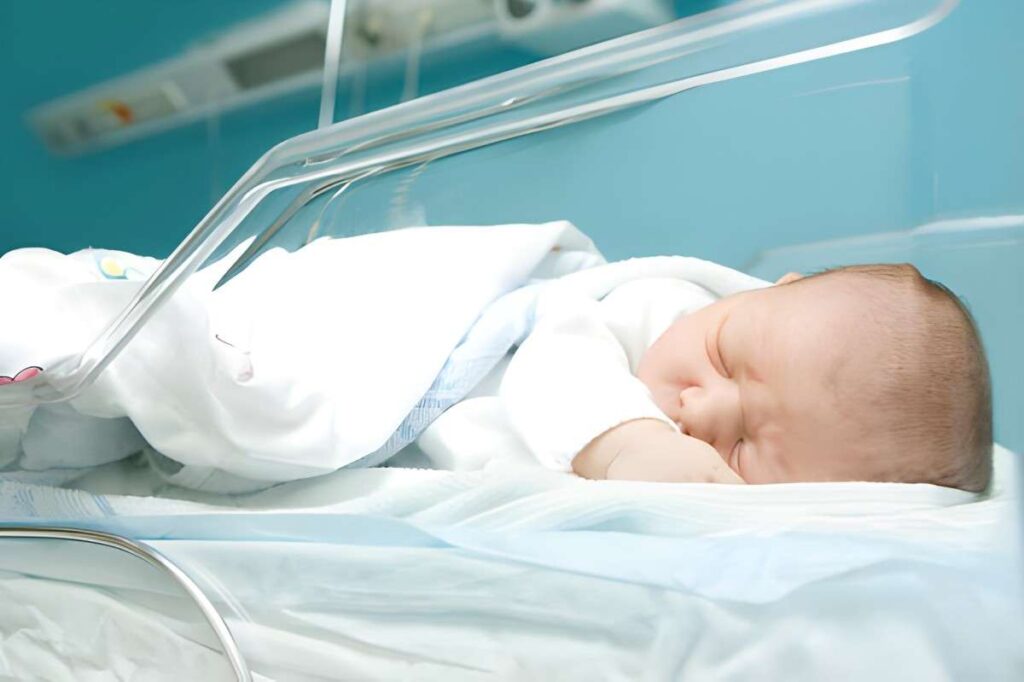
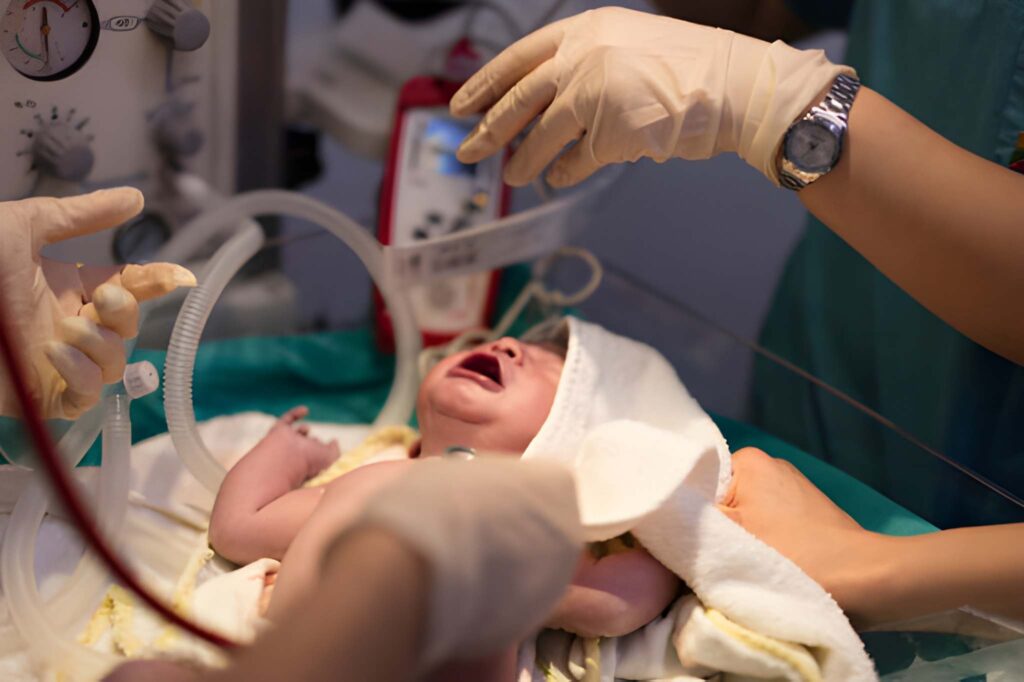
The moment a medical team decides to transfer a newborn to the Neonatal Intensive Care Unit (NICU), the atmosphere in the delivery room changes. For parents, this transition often brings a mixture of anxiety, confusion, and a sense of detachment from the expected birth experience. As a specialist, I view this transfer not as a failure of the birth process, but as the activation of a specialized safety net designed to provide the highest level of medical surveillance available.
A NICU transfer occurs when a newborn requires medical interventions that exceed the capabilities of a standard well-baby nursery. This might happen immediately after birth or several hours later as the infant struggles to adapt to life outside the womb. Modern neonatology focuses on the Golden Hour, the first sixty minutes of life where stabilization can significantly influence long-term neurological and physical outcomes.
Primary Drivers for NICU Admission
Why is a baby moved to intensive care? The reasons are diverse, ranging from expected complications like prematurity to sudden respiratory distress in a full-term infant. Medical teams use specific clinical criteria to determine if a transfer is necessary.
| Reason for Admission | Clinical Definition | Standard Primary Treatment |
|---|---|---|
| Prematurity | Born before 37 weeks gestation | Temperature regulation and nutritional support |
| Respiratory Distress | Difficulty breathing or low oxygen | CPAP or mechanical ventilation |
| Hypoglycemia | Critically low blood sugar levels | Intravenous glucose administration |
| Sepsis Risk | Suspected or confirmed infection | Antibiotic therapy and monitoring |
| Hyperbilirubinemia | Severe jaundice | Phototherapy (light treatment) |
In full-term infants, Respiratory Distress Syndrome (RDS) or Transient Tachypnea of the Newborn (TTN) are frequent culprits. These babies might breathe rapidly (over 60 breaths per minute) or show signs of retractions, where the skin pulls in around the ribs and neck as they labor to inhale.
The Transport Protocol: Moving Between Facilities
Sometimes, the hospital where the birth occurs does not have the specific level of care required. In these instances, a specialized neonatal transport team is summoned. This team functions like a mobile intensive care unit, equipped with portable incubators, ventilators, and monitors.
The Transport Incubator
Often called an isolette, this device maintains a precise thermal environment. Keeping a newborn warm is critical because cold stress causes the baby to burn through glucose and oxygen stores rapidly.
The Transport Team
Typically consisting of a neonatal nurse, a respiratory therapist, and sometimes a nurse practitioner or neonatologist. They stabilize the baby at the referring hospital before the journey begins.
The calculation for oxygen needs during transport is rigorous. For example, if a baby requires 2 liters per minute of flow and the transport takes 45 minutes, the team must ensure the portable tanks carry at least double that amount to account for delays. Safety and stability are prioritized over speed; the team will not leave the original hospital until the infant is as stable as possible.
Decoding the Levels of Neonatal Care
Not all NICUs are the same. The American Academy of Pediatrics (AAP) classifies neonatal care into four distinct levels. Understanding which level your baby is in helps clarify the severity of the situation and the types of specialists involved.
The NICU Environment: Alarms, Lights, and Lines
Walking into a NICU for the first time can be overwhelming. The room is filled with beeping monitors and complex machinery. Each piece of equipment serves a vital purpose in sustaining the newborn's life while their body continues to mature.
Common NICU Equipment
Pulse Oximeter: A small light-emitting sensor taped to the foot or hand that measures oxygen saturation in the blood. In the NICU, we look for levels typically between 88% and 95% for premature babies to prevent oxygen toxicity.
Feeding Tubes (NG/OG): Since many NICU babies lack the suck-swallow-breathe coordination (which usually develops around 34 weeks), milk is delivered via a tube through the nose or mouth directly to the stomach.
The Essential Role of the Mother and Family
When a baby is in the NICU, mothers often feel like bystanders. However, the medical team views the mother as an essential part of the care team. Your presence has measurable physiological effects on the infant.
Kangaroo Care
Skin-to-skin contact helps regulate the baby's heart rate, temperature, and breathing. It also encourages brain development and increases the mother's milk supply.
Breast Milk Advocacy
For a NICU baby, breast milk is medicine. It significantly reduces the risk of Necrotizing Enterocolitis (NEC), a serious intestinal condition. Even if the baby cannot nurse, pumping is a vital contribution.
Managing the Emotional Toll
Postpartum depression and anxiety are significantly higher among NICU parents. It is vital to utilize the hospital's social workers and chaplains. The separation from a newborn is a biological trauma, and acknowledging that difficulty is the first step toward coping.
Long-Term Outlook and Discharge Planning
The goal of every NICU stay is a safe discharge. This process begins almost the day the baby arrives. Discharge generally requires the baby to meet three "milestones":
- Maintain Temperature: Staying warm in an open crib without an external heat source.
- Full Oral Feedings: Taking all calories by breast or bottle without needing a feeding tube.
- Weight Gain: Consistent growth over several days.
While the NICU journey is a marathon, not a sprint, the advancements in neonatal medicine over the last two decades have drastically improved outcomes. Most infants who spend time in the NICU go on to live healthy, normal lives, often catching up to their peers by the age of two.
When the transfer happens, take it one hour at a time. Ask questions, participate in cares like diaper changes when possible, and remember that you are your baby's most important advocate.