Understanding the Unthinkable: A Comprehensive Guide to Neonatal Loss
A compassionate exploration of the medical, psychological, and logistical aspects of losing a newborn male.
The Medical Landscape of Early Neonatal Mortality
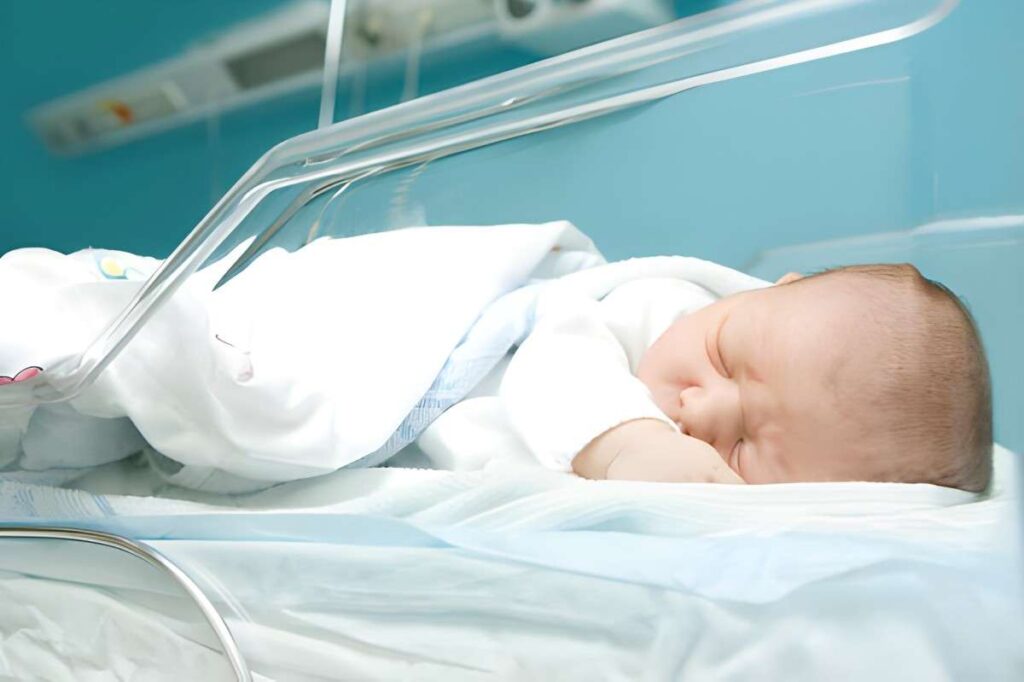
The arrival of a newborn represents the culmination of hope, planning, and months of physical endurance. When that journey ends abruptly with the death of the infant shortly after birth, the impact is seismic. In the United States, neonatal death—defined as the death of a live-born infant within the first 28 days of life—remains a critical focus of maternal and child health specialists. While medical advancements have drastically reduced these numbers over the last several decades, the experience remains a reality for thousands of families annually.
Statistically, the first 24 hours of life represent the most vulnerable window for a newborn. Medical teams in Neonatal Intensive Care Units (NICU) work tirelessly to stabilize infants, yet biological and environmental factors sometimes exceed the reach of modern intervention. Understanding the "why" behind these events is often the first step toward processing the "what now."
Common Clinical Causes and Vulnerabilities
The causes of death shortly after birth are often complex and multifactorial. Doctors usually categorize these into three primary areas: congenital anomalies, prematurity-related complications, and birth-related events.
These include structural abnormalities in the heart, lungs, or brain that may not be compatible with life outside the womb. Some conditions are identified during prenatal screenings, while others only become apparent during the transition to independent breathing and circulation.
Infants born before 37 weeks, and particularly those born before 28 weeks (extremely preterm), face significant hurdles. Their organs, especially the lungs and digestive system, are not fully developed. Respiratory Distress Syndrome (RDS) and Necrotizing Enterocolitis (NEC) are common challenges in this group.
This category includes Birth Asphyxia (lack of oxygen during delivery) and severe infections like Sepsis. Sudden shifts in the mother's health, such as placental abruption or preeclampsia, can also lead to critical distress for the newborn.
Navigating the Immediate Aftermath at the Hospital
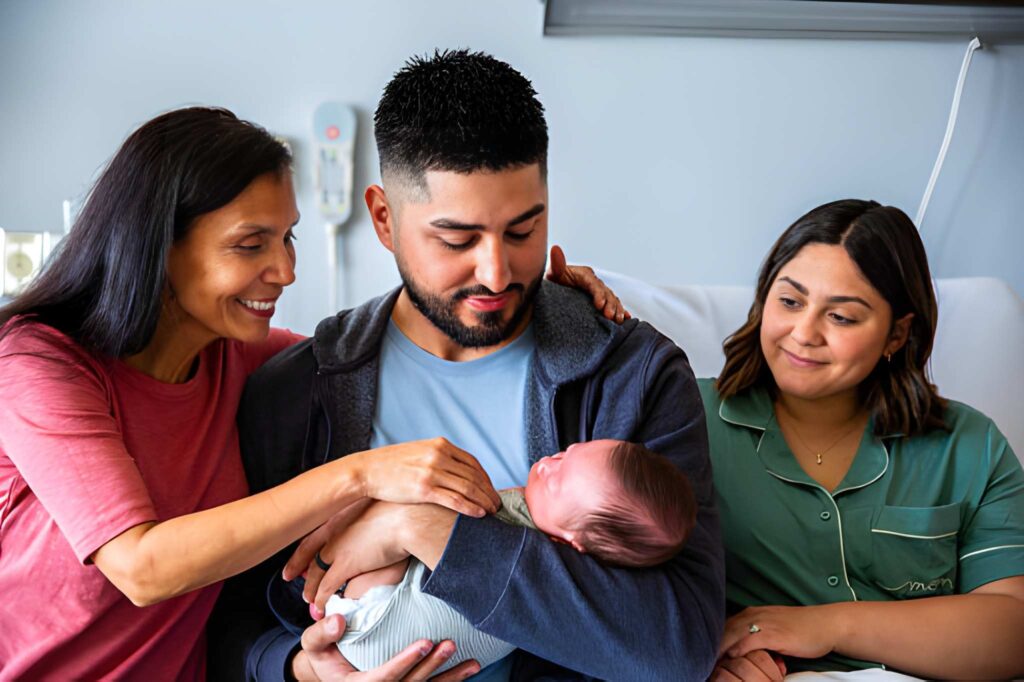
In the moments following a loss, parents often find themselves in a state of shock. Modern hospitals in the U.S. follow specific protocols designed to provide "trauma-informed care." This involves giving parents the time and space to bond with their child, even in death.
Parents should know that they have rights during this time. You may request to hold the baby, bathe him, or dress him in a special outfit. You can invite family members or a chaplain to the room. These rituals, though painful, serve as vital anchors in the grieving process, acknowledging the reality of the child's existence and his place in the family.
Understanding the Biological Paradox of Male Newborns
A consistent observation in neonatal medicine is the "male disadvantage." Despite often being larger in size at birth, male newborns statistically face a higher risk of mortality and morbidity than female newborns. This is a topic of significant study among child specialists.
| Factor | Male Newborn Profile | Biological Impact |
|---|---|---|
| Lung Maturation | Slower surfactant production | Higher risk of Respiratory Distress Syndrome (RDS). |
| Genetic Makeup | Single X chromosome | Increased vulnerability to X-linked genetic disorders. |
| Inflammatory Response | More aggressive immune response | Higher susceptibility to sepsis and neurological injury. |
| Hormonal Influence | Higher testosterone levels | May inhibit certain protective lung developments in utero. |
This biological reality does not make the loss any less tragic, but it helps medical professionals and parents understand that the infant’s struggle was often rooted in deep-seated physiological challenges rather than a lack of care or attention.
The Psychological Journey of Maternal and Paternal Grief
Grief following neonatal loss is unique because it is the loss of a future. Parents are not just mourning a person they knew for years; they are mourning the person they were going to know. For the mother, this is compounded by the "hormonal drop-off" that occurs postpartum.
Mothers often experience "empty arms syndrome," a physical ache to hold their child. The body continues to produce milk and heal from birth, creating a painful physiological reminder of the loss. Postpartum depression and PTSD are significant risks.
Fathers or partners often feel the pressure to be the "rock" for the grieving mother. This can lead to delayed or suppressed grief. Men may express grief through activity or withdrawal, which is sometimes misunderstood by their partners.
Calculating the Weight of Grief: A Comparison
While grief cannot be quantified, we can look at the typical stages and support needs required over the first year of recovery.
Practical Steps and Administrative Requirements
Navigating bureaucracy while grieving is an immense burden. However, certain steps are legally required in the U.S. when a baby is born alive but dies shortly after.
Death and Birth Certificates
Because the infant was born alive, the state will issue both a birth certificate and a death certificate. While it feels cruel to receive both, these documents are necessary for legal records and for certain insurance or bereavement leave benefits.
The Question of an Autopsy
Medical teams may request an autopsy to determine the exact cause of death. This is a deeply personal decision.
- Pros: Can provide closure, help identify genetic risks for future pregnancies, and contribute to medical science.
- Cons: May conflict with religious beliefs, can delay funeral arrangements, and sometimes does not yield a definitive answer.
Building a Path Toward Healing and Resilience
Resilience does not mean "getting over it." It means finding a way to carry the memory of the son while continuing to function in the world. Specialists recommend several avenues for long-term support.
Share Pregnancy & Infant Loss Support: A national organization providing resources and support groups.
Compassionate Friends: Offers specialized support for the death of a child at any age.
Postpartum Support International (PSI): Critical for mothers dealing with the intersection of birth hormones and grief.
Healing often involves finding a way to honor the child. This might look like planting a tree, making a donation in his name, or simply speaking his name aloud. For siblings, it is important to use honest, age-appropriate language. Avoid euphemisms like "he went to sleep," as this can create fear of bedtime in young children. Instead, use clear terms: "His body stopped working, and the doctors couldn't fix it."
The journey ahead is not linear. There will be good days and devastating ones. By understanding the medical realities and allowing for a full range of emotional expression, families can eventually find a "new normal" that includes the enduring love for the son they lost too soon.