Neurological Nuances: Sneezing and the Shrill Cry in Newborns
A Specialist’s Guide to Distinguishing Normal Reflexes from Clinical Red Flags
Clinical Navigation
The Physiology of the Newborn Sneeze
Newborns are obligate nose breathers, meaning they primarily breathe through their nostrils rather than their mouths during the first few months of life. Consequently, any tiny obstruction—be it lint, amniotic fluid residue, or dust—triggers a protective reflex. Sneezing in a newborn is rarely a sign of a viral upper respiratory infection. Instead, it serves as a vital biological mechanism to clear the narrow nasal passages.
During the transition from the fluid-filled environment of the womb to the air-filled world, the infant must clear remaining secretions. Unlike adults, newborns do not have fully mature cilia (tiny hairs) that move mucus efficiently. Sneezing compensates for this lack of maturity. It is common to see a newborn sneeze three or four times in rapid succession. As long as the infant is feeding well and lacks a fever, this behavior remains within the spectrum of normal physiological development.
Specialist Insight: The "Dry" Sneeze
If your newborn sneezes frequently but has no nasal discharge, it is likely a sensory response. Newborns are incredibly sensitive to light and environmental changes. The photic sneeze reflex—sneezing when exposed to bright light—is also observed in neonates. Always observe the context before assuming the infant is ill.
Decoding the Shrill, High-Pitched Cry
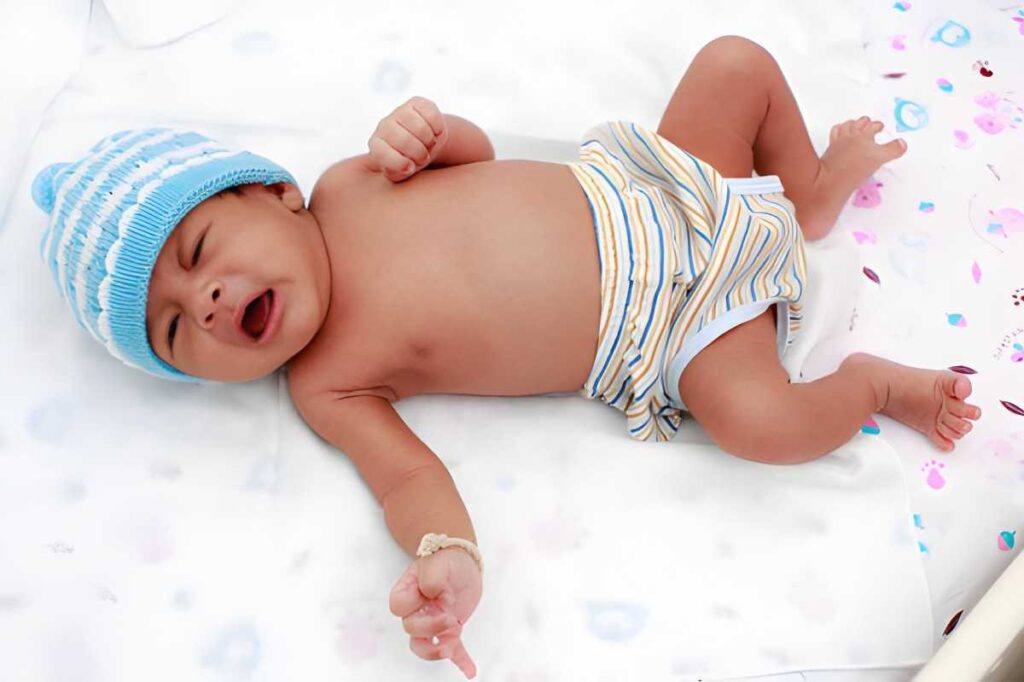
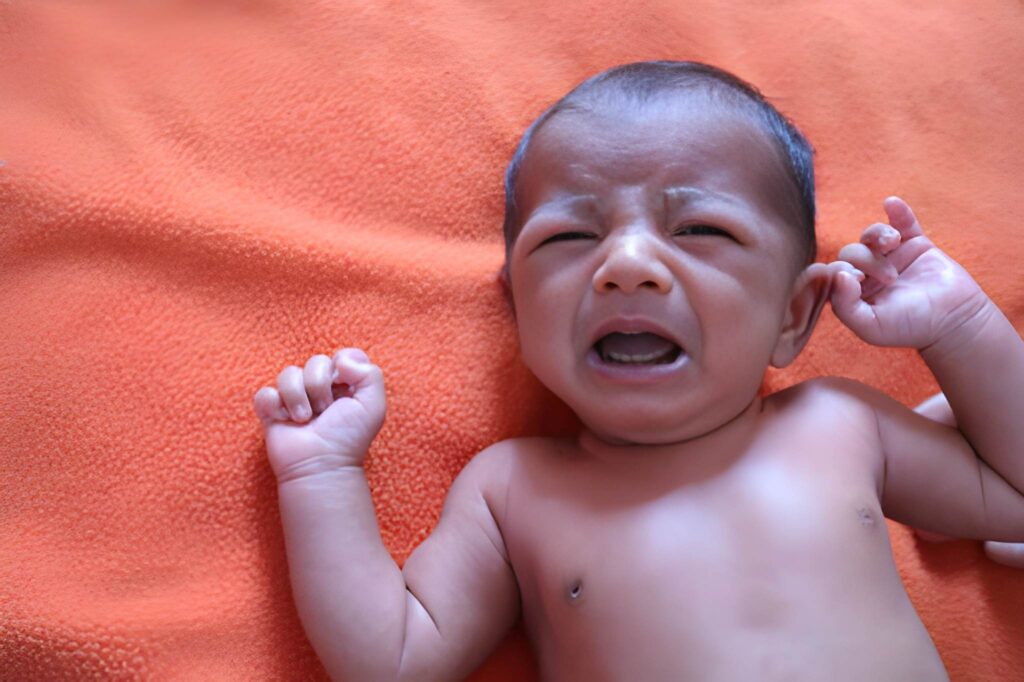
While sneezing is typically benign, the character of a newborn’s cry provides significant insight into their central nervous system (CNS). A healthy newborn cry is usually robust, rhythmic, and settles with comfort. In contrast, a shrill or high-pitched cry—often described as sounding like a siren or a cat (cri-du-chat)—suggests neurological irritability or extreme physiological distress.
Low to medium pitch, varies in intensity, stops when needs (hunger, diaper) are met. It has a melodic quality with clear pauses for breath.
Piercing, monochromatic, and sustained. It often sounds "pain-filled" and may be difficult to soothe even with standard comfort measures.
A high-pitched cry indicates that the infant's threshold for stimulation is extremely low. This is often seen in babies experiencing central nervous system hypersensitivity. The sound itself is produced by the tension in the vocal cords, which is controlled by the laryngeal nerves—nerves that are highly sensitive to the overall state of the infant's brain and metabolic health.
The Intersection: Neonatal Abstinence Syndrome (NAS)
When sneezing and a shrill cry occur together, clinicians immediately evaluate for Neonatal Abstinence Syndrome (NAS). This condition occurs when an infant experiences withdrawal from substances they were exposed to in utero, most commonly opioids. In the current socioeconomic climate of the United States, NAS is a critical focus for neonatal specialists.
| Symptom Category | NAS Presentation | Standard Newborn Behavior |
|---|---|---|
| Respiratory | Excessive sneezing ( > 3-4 times in a row) | Occasional clearing of the nose |
| Neurological | Shrill, high-pitched cry; tremors | Rhythmic cry; brief startle reflex |
| Gastrointestinal | Projectile vomiting; loose stools | Occasional spit-up; soft stools |
| Skin | Excoriation (redness) on nose or knees | Healthy, intact skin |
In NAS, the sneezing is not just about clearing dust; it is a neurological manifestation of withdrawal. The high-pitched cry is the hallmark of the infant's inability to regulate their own nervous system. These babies often exhibit what we call disorganized behavior, where they cannot transition smoothly between sleep and wake states.
Neurological Assessment and Scoring
To provide objective care, hospitals use standardized tools like the Finnegan Scoring System or the Eat, Sleep, Console (ESC) model. These frameworks allow nurses and doctors to quantify the severity of the neurological signs.
The "Finnegan" Logic for Sneezing/Crying
In a clinical setting, we assign points based on the frequency and intensity of these signs:
- Excessive Sneezing: If an infant sneezes more than 3-4 times per scoring interval, it adds to the cumulative score.
- High-Pitch Cry: A cry that is sustained and shrill earns 2 to 3 points, whereas a normal cry earns 0.
If a total score reaches 8 or higher on three consecutive occasions, medical intervention—which may include pharmacological support—is usually initiated.
Critical Red Flags: When the Cry Means More
Beyond withdrawal, a shrill cry can signal other urgent medical conditions. As a specialist, I look for "the company the symptom keeps." A shrill cry by itself is concerning; a shrill cry accompanied by a bulging fontanelle (soft spot) or fever is an emergency.
In cases of neonatal meningitis, the high-pitched cry is a result of increased intracranial pressure. The inflammation of the membranes surrounding the brain causes extreme pain and sensitivity to touch.
Low blood sugar can cause a weak, high-pitched cry. Since the brain relies exclusively on glucose for fuel, a lack of sugar causes the nervous system to misfire, leading to jitters and abnormal crying patterns.
Sometimes a difficult birth can lead to a fractured clavicle. If a baby lets out a shrill cry every time they are moved or their arm is lifted, localized pain must be ruled out.
Soothing and Stabilization Strategies
Whether the signs are caused by NAS, overstimulation, or a temporary neurological "glitch," the goal is to lower the infant's cortisol levels and stabilize their environment. We use a concept called Low-Stimulus Care.
The Environmental Reset
Dim the lights and reduce ambient noise. For a baby with a shrill cry, even a whisper can feel like a shout. Skin-to-skin contact (Kangaroo Care) is the most potent non-pharmacological tool we have. The mother's heartbeat acts as a natural pacemaker for the infant's erratic heart rate and breathing.
Swaddling and Suctioning
For the sneezing infant, gentle bulb suctioning can help, but avoid over-suctioning as this can cause nasal swelling and increase sneezing. A tight, proper swaddle provides the "deep pressure" that a disorganized nervous system craves, mimicking the snug environment of the uterus.
In conclusion, while a sneeze is often just a sneeze, the character of a cry is the newborn's most honest communication of their neurological state. By observing these signs with a keen, clinical eye, caregivers can ensure that every infant receives the specialized support they need during the most vulnerable days of their lives.