Poppy Seeds and Breastfeeding: Navigating the Opiate Myth and Nutritional Reality
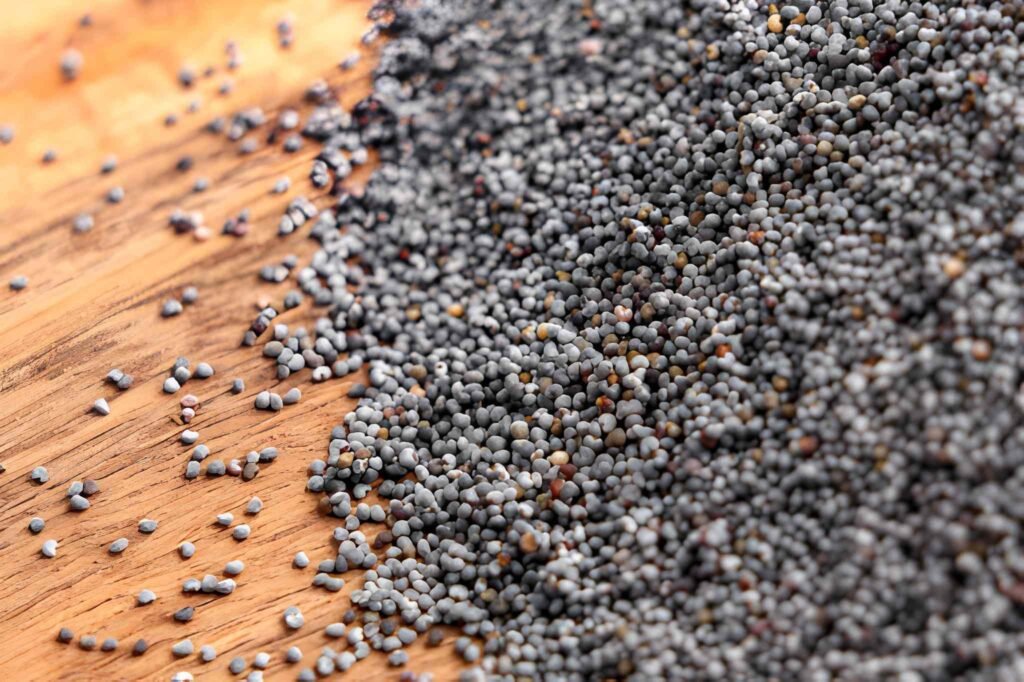
Few culinary ingredients spark as much debate in the postnatal community as the poppy seed. Found in everything from traditional lemon-poppy seed muffins to the iconic "everything" bagel, these tiny seeds carry a heavy reputation. New mothers often find themselves caught between the desire for a nutrient-dense snack and the lingering fear of opiate contamination and its subsequent effects on breast milk.
As a child and mother specialist, I categorize poppy seeds as a low-risk food with specific caveats. While the seeds themselves do not contain opiates, they originate from the opium poppy plant. During the harvesting process, the seeds can become contaminated with the milky sap of the poppy pod, which contains morphine and codeine. This creates a complex pharmacological landscape for the breastfeeding parent. This guide dismantles the myths, examines the chemistry of milk transfer, and provides clear culinary guidelines for nursing mothers in .
Nutritional Profile: More Than Just a Garnish
Mothers often overlook the significant nutritional benefits of poppy seeds. These seeds provide a concentrated source of minerals essential for postpartum recovery and bone health. During lactation, your body requires a steady supply of calcium and manganese to maintain your own skeletal integrity while enriching your milk.
Poppy seeds also contain healthy fats, specifically oleic acid, which supports cardiovascular health, and linoleic acid, which contributes to the inflammatory response management required during the healing phase of the fourth trimester. For the nursing parent, these fats help ensure the caloric density of breast milk remains optimal for infant weight gain.
The Opiate Connection: The Science of Contamination
The seeds of the Papaver somniferum plant do not naturally produce morphine or codeine. However, they reside within the seed pod, which produces opium. During harvest, mechanical processes can cause the seeds to rub against the pod walls or become coated in the plant's latex.
When a nursing mother consumes poppy seeds, any surface morphine or codeine enters her bloodstream. Because these molecules are relatively small and can be fat-soluble, they possess the ability to cross the blood-milk barrier. The question is not if they transfer, but how much transfers to the infant.
The "Everything Bagel" and Drug Testing
A major concern for US-based mothers involves workplace or hospital-mandated drug screenings. In the clinical setting, "poppy seed defense" is a well-known phenomenon. Consuming as little as two tablespoons of poppy seeds can trigger a positive result for opiates on a standard urine drug screen.
| Test Type | Standard Threshold | Poppy Seed Risk |
|---|---|---|
| Standard DOT Test | 2,000 ng/mL | Low risk (threshold raised specifically for seeds) |
| Hospital Screening | 300 ng/mL | High Risk of a false-positive indicator |
| Federal Workplace | 2,000 ng/mL | Moderate risk depending on seed quantity |
If you work in a profession requiring random drug testing, or if you expect a hospital screening during your postnatal follow-ups, I recommend avoiding poppy seeds for at least 48 to 72 hours prior to the test. While a laboratory can eventually distinguish between heroin use and poppy seed consumption through specialized testing (looking for 6-monoacetylmorphine), the initial positive result can cause significant legal and social stress.
Pharmacology of Milk Transfer
The pharmacokinetics of morphine in breast milk suggest that infant exposure remains low but measurable. Morphine has a milk-to-plasma (M/P) ratio of approximately 0.4 to 0.8. This means the concentration in the milk is lower than the concentration in the mother's blood.
Morphine levels peak roughly 1 to 2 hours after ingestion. The body metabolizes most alkaloids quickly through the liver.
Trace amounts appear within 2 hours. For a standard muffin containing 1 teaspoon of seeds, the dose reaching the baby is negligible.
Calculation: If a mother consumes a serving containing 1mg of morphine residue (a high estimate for washed seeds), the infant might receive roughly 0.005mg through a full feeding. This is far below any therapeutic or toxic dose for a newborn. However, the cumulative effect of high-volume consumption over several days remains unstudied.
Infant Safety: What to Monitor
While culinary use is generally safe, "unwashed" seeds or poppy seed teas pose a severe threat. There are documented cases of infant sedation and respiratory depression following maternal use of poppy seed tea.
If you have consumed a large quantity of poppy seeds and notice any of the following in your baby, contact a pediatrician immediately:
- Excessive Somnolence: Difficulty waking the baby for feeds.
- Respiratory Changes: Slow, shallow, or irregular breathing.
- Poor Feeding: A sudden lack of interest in nursing or a weak suck.
- Constipation: A sudden cessation of bowel movements (opiates slow the gut).
For healthy, full-term infants, the risks from a single bagel are non-existent. However, for premature infants or those with underlying respiratory conditions, even trace amounts of opiates can have a more pronounced effect. Specialists recommend extra caution during the first few weeks of life when the infant's metabolic pathways are still maturing.
Culinary Guide and Safe Amounts
You do not need to eliminate poppy seeds from your diet entirely. Moderation and sourcing are your best tools for ensuring a safe breastfeeding journey.
Recommended Culinary Limits
Culinary Moderation: Consuming 1 to 2 tablespoons of poppy seeds per day is considered safe for most nursing parents. This includes the amounts typically found in baked goods or salad dressings.
Avoid "Medicinal" Uses: Never consume poppy seed tea or home-brewed infusions while breastfeeding. These products lack standardization and can contain lethal doses of morphine.
The "Wait and See" Approach: If you feel unusually drowsy after eating a poppy-heavy meal (like a large piece of poppy seed cake), wait 3 to 4 hours before nursing your baby to allow the peak alkaloid levels in your blood to subside.
Specialist FAQ: Frequently Asked Questions
There is no clinical evidence that poppy seeds act as a galactagogue (milk-boosting food). While they provide essential minerals like calcium and iron, which support overall health, they do not directly stimulate prolactin or oxytocin production.
I recommend avoiding them in the days leading up to delivery. Many hospitals perform routine toxicology screens on both the mother and the newborn's first stool (meconium). A positive result can trigger a social services investigation, even if it was just from a muffin. It is better to avoid the administrative hassle.
Baking at high temperatures (like in a muffin or bread) can reduce morphine levels by about 25% to 30%, but it does not eliminate it entirely. The primary reduction in opiate content comes from the washing and soaking of the seeds before they reach the consumer.
While no poppy seed is guaranteed 100% free of trace alkaloids, seeds sourced from countries with strict agricultural regulations (like the UK or Australia) often undergo more rigorous washing processes compared to seeds from other regions.
In summary, poppy seeds are a nutritious addition to your diet when consumed in standard culinary amounts. The risk to your nursing infant from a typical bagel or muffin is clinically negligible. However, the risk of a false-positive drug test is real and should be managed with timing and awareness. By focusing on washed commercial seeds and avoiding concentrated teas, you protect both your recovery and your baby’s safety.