The Brine Balance: Are Pickles Good for Breastfeeding?
Exploring probiotics, sodium management, and the fascinating biology of flavor transfer.
The Biological Root of Postpartum Cravings
The postpartum period is often accompanied by intense dietary cravings, frequently leaning toward salty or vinegary foods. As a specialist in child and maternal health, I observe that these cravings are rarely random. The act of breastfeeding increases maternal fluid turnover and electrolyte requirements significantly. A craving for pickles is often the body’s primitive signal for sodium and potassium replenishment.
When a mother is nursing, her body is in a state of high-volume fluid production. Breast milk is approximately 87 percent water, and the synthesis process requires a precise balance of minerals to maintain osmotic pressure. Pickles, being a concentrated source of sodium and electrolytes, can serve as a rapid—albeit high-intensity—tool for satisfying these physiological needs. However, the "goodness" of a pickle depends heavily on how it was transformed from a cucumber.
Lacto-Fermentation vs. Vinegar Brining
To understand the impact of pickles on lactation, we must distinguish between the two primary methods of pickling utilized in the United States. Most pickles found on ambient grocery shelves are vinegar-brined. These are pasteurized, meaning they are heated to a temperature that kills all bacteria—both harmful and beneficial.
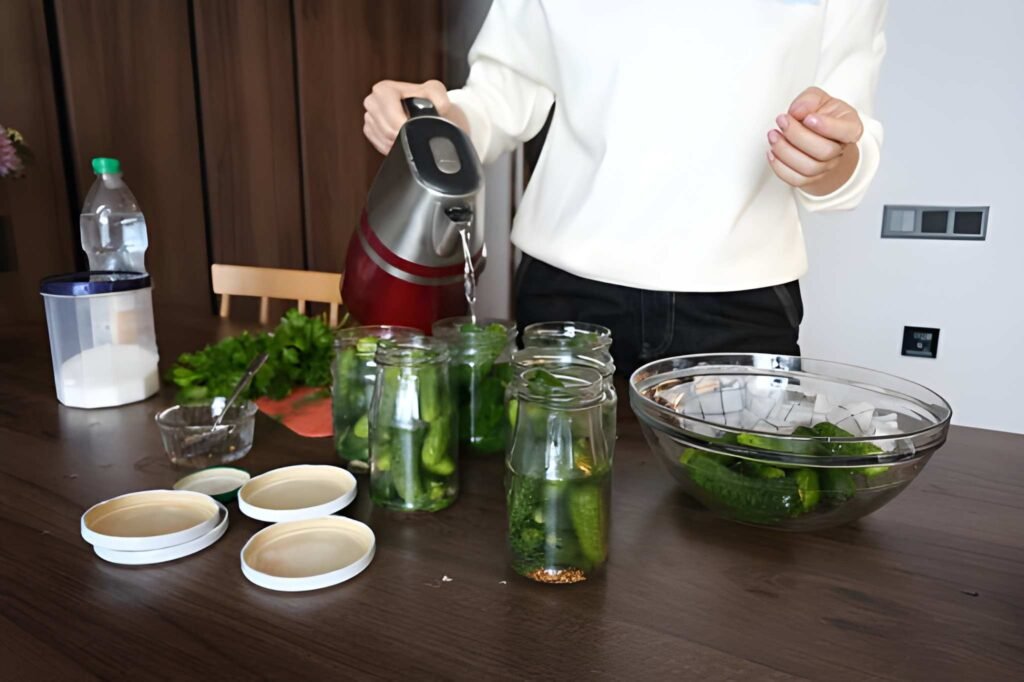
Created using salt and water. This process encourages the growth of Lactobacillus bacteria. These are "living" foods that contain active probiotics which can support the maternal gut and indirectly influence the infant's health.
Created using acetic acid. While they provide the same satisfying crunch and sodium hit, they lack the probiotic benefits of fermented varieties. They are essentially a flavored delivery system for salt and water.
Probiotics and the Maternal Microbiome
If you choose lacto-fermented pickles, you are introducing beneficial bacteria into your system. This is of particular clinical interest during the breastfeeding journey. The mother’s gut microbiome is the primary "seed" for the infant’s developing immune system. Through skin contact and the minor but critical transfer of "pioneer" bacteria through breast milk, a healthy maternal gut supports infant digestive stability.
Probiotics in pickles can also help the mother manage common postpartum issues such as constipation or sluggish digestion, which are often exacerbated by iron supplements or pelvic floor shifts. A well-functioning maternal digestive tract ensures that nutrients from the rest of the diet are absorbed more efficiently, directly improving the quality of the milk supply.
Sodium Dynamics and Hydration Risks
The primary caveat regarding pickles is their sodium density. While some salt is necessary for electrolyte balance, excessive sodium can be counterproductive for a nursing mother. Sodium is hydrophilic—it pulls water toward itself.
Flavor Profiles: Garlic, Dill, and the Infant Palette
One of the most fascinating aspects of breastfeeding is sensory programming. Unlike formula, which has a static flavor, breast milk is a dynamic "flavor bridge" to the family’s diet. Compounds from garlic, dill, and even the "sour" notes of vinegar cross into the milk supply within 2 to 4 hours of consumption.
Studies have shown that infants actually tend to nurse for longer periods and attach more vigorously when the breast milk is subtly flavored with garlic. Consuming garlic-heavy pickles may actually encourage a more robust nursing session for some infants.
Dill has been used traditionally as a "carminative" to help relieve gas. While the amount of dill essential oil that reaches the milk is small, it is generally considered a soothing herb for the digestive tract.
Busting the "Acidic Milk" and Gas Myths
A persistent myth in parenting circles suggests that eating "acidic" foods like pickles will make the breast milk acidic or cause the baby to have gas. This is physiologically impossible. The pH of human breast milk is tightly regulated by the mother's body, maintaining a neutral range of 7.0 to 7.4 regardless of whether she eats a pickle or a piece of cake.
Furthermore, the gas-producing sugars (oligosaccharides) found in some vegetables are the cause of gas in the mother's colon. This gas stays in the mother's digestive tract; it cannot enter the bloodstream or the milk. If an infant is gassy after a mother eats pickles, it is likely a coincidence or a reaction to a specific protein in the mother's diet (such as cow's milk protein), not the acidity or "gas" of the pickle itself.
Calculating Safe Sodium Intake
To enjoy pickles safely, a mother should understand how they fit into her daily "Sodium Budget." For lactating women, the recommended daily limit is roughly 2,300mg, but many find that slightly higher levels are tolerated if hydration is prioritized.
The Specialist’s Pickling Selection Guide
Not all jars are created equal. When selecting pickles to support your breastfeeding journey, follow these clinical prioritization rules:
| Pickle Feature | Why it Matters | Nursing Benefit |
|---|---|---|
| Yellow Dye #5 Free | Avoids synthetic neuro-stimulants. | Ensures no dye transfer to infant. |
| Low-Sodium Varieties | Reduces the risk of cellular dehydration. | Protects milk volume stability. |
| Raw/Unpasteurized | Retains live Lactobacillus cultures. | Supports maternal gut and infant immunity. |
| Glass Packaging | Prevents BPA/plastic leaching into acidic brine. | Eliminates endocrine-disrupting chemicals. |
The Specialist Clinical Summary
Pickles are a safe and potentially beneficial addition to the breastfeeding diet when consumed with mindfulness. Their ability to satisfy electrolyte cravings makes them an effective snack for the high-metabolic state of lactation. For the greatest health return, prioritize lacto-fermented, refrigerated pickles that provide probiotics to support your microbiome.
The primary clinical concern remains sodium management. A mother who enjoys pickles must be diligent about her water intake to ensure the high salt content does not trigger dehydration, which is the number one cause of a sudden dip in milk supply. By choosing varieties free of synthetic dyes and monitoring the total daily sodium load, you can enjoy the "pucker" of a pickle while providing high-quality nutrition to your infant.
In conclusion, embrace the flavor bridge. The garlic and dill in your favorite pickle are not just satisfying your cravings; they are providing your infant with their first "tasting menu" of the world outside the womb. As always, if your infant displays unusual skin rashes or extreme fussiness that seems to correlate with your intake, consult with your pediatrician—but for the majority of nursing pairs, the humble pickle is a crunchy, salty win.