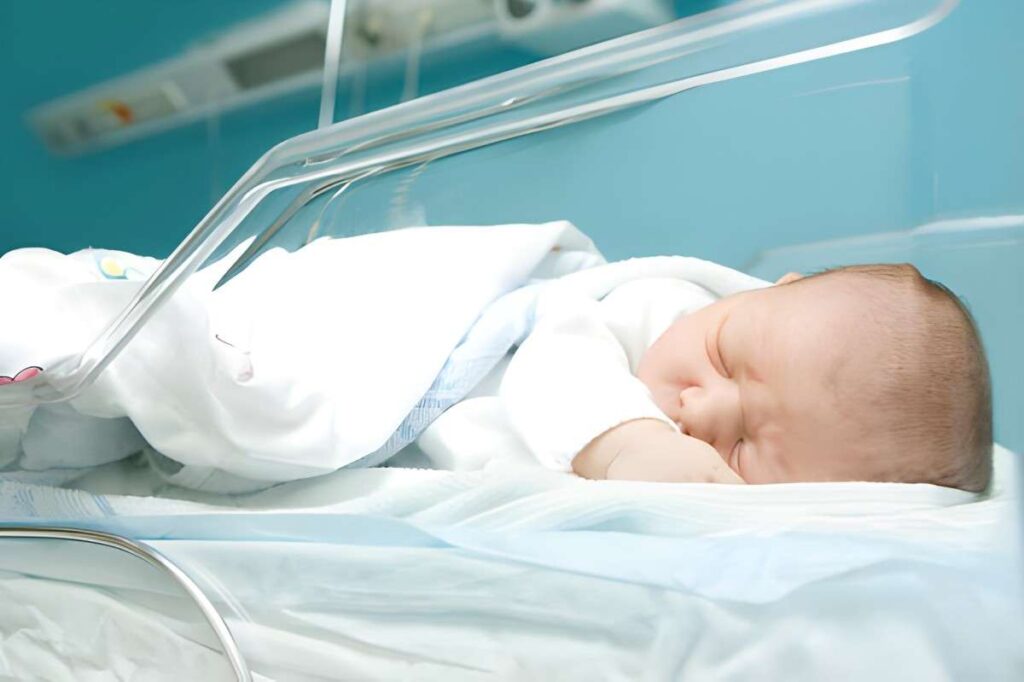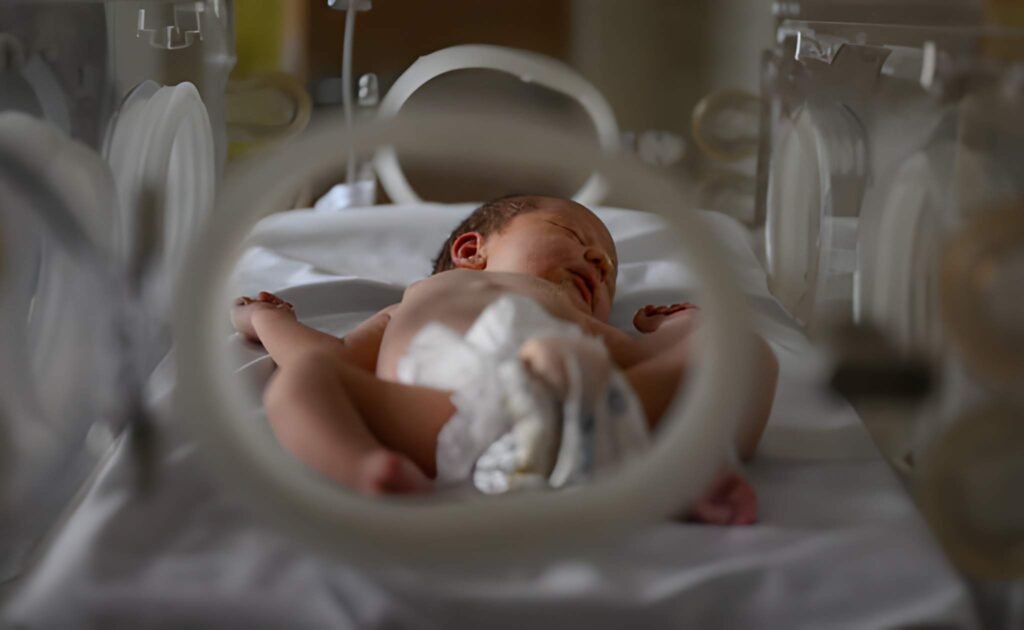
The image of a newborn baby abandoned in a forest strikes a chord of primal fear and fascination across cultures. From the legendary founders of Rome to modern news headlines, the narrative of neonatal survival against the elements challenges our understanding of human fragility. While the public often views newborns as entirely helpless, developmental biology reveals a suite of specialized mechanisms designed to protect the infant during periods of extreme stress. Exploring this topic requires a multidisciplinary look at physiology, history, and the legal frameworks established to prevent such tragedies in the United States today.
Biological Resilience: The Cold Response
When a newborn is exposed to the ambient temperatures of a forest, their body enters a state of high-stakes metabolic defense. Unlike adults, newborns cannot effectively shiver to generate heat. Their muscular system is not yet sufficiently developed for the rapid contractions required to produce warmth through movement. Instead, they rely on a remarkable biological feature known as Brown Adipose Tissue (BAT), or brown fat.
The Engine of Non-Shivering Thermogenesis
Brown fat is located primarily around the infant's neck, chest, and kidneys. It contains a high density of mitochondria and a specialized protein called Thermogenin. When the infant's skin temperature drops, the sympathetic nervous system triggers the breakdown of these fat cells. This process, called non-shivering thermogenesis, converts chemical energy directly into heat. This "internal furnace" allows a newborn to maintain core temperature for a limited time, even when the external environment is significantly cooler than the womb.
Folklore, Mythology, and the Wild Child
Humanity has long used the story of the abandoned infant to symbolize divine protection or future greatness. These stories often feature a "helper" from the natural world—a wolf, a bear, or a bird—that nurtures the child. However, the psychological reality of such events is far more sobering than the myths suggest.
Safe Haven Laws: The Modern Shield
In the United States, the legal response to newborn abandonment underwent a revolution at the turn of the century. Recognizing that desperation and panic often drive these actions, states implemented Safe Haven Laws (often called Baby Moses Laws). These statutes provide a legal, anonymous alternative for parents who feel they cannot care for their newborn, specifically designed to prevent abandonment in dangerous locations like forests or dumpsters.
Anonymity: A parent can leave an unharmed newborn at a designated location without providing a name or being subject to prosecution for abandonment.
Designated Locations: In most states, these include hospitals, fire stations, and staffed police stations.
Age Limits: The window for safe surrender varies by state, ranging from 3 days to 30 days after birth.
Immediate Care: Once surrendered, the infant receives immediate medical evaluation and is placed into the adoption or foster care system.
Clinical Pathways for Post-Exposure Care
If a newborn is discovered in a forest environment, the medical response must be immediate and methodical. The primary threats are hypothermia, dehydration, and sepsis (infection). Because a newborn’s immune system is still naive, exposure to forest pathogens—especially through an unsterilized umbilical cord—can lead to rapid systemic infection.
| Clinical Priority | Action Taken | Goal |
|---|---|---|
| Rewarming | Radiant warmers or skin-to-skin. | Reversing metabolic acidosis. |
| Hydration | Intravenous (IV) fluids with glucose. | Restoring electrolyte balance. |
| Cord Care | Surgical cleaning of the umbilicus. | Preventing neonatal tetanus and sepsis. |
| Neurological Scan | Ultrasound or MRI. | Checking for oxygen deprivation damage. |
Socioeconomic Drivers of Abandonment
Abandonment is rarely a calculated act of malice; it is almost always an act of extreme crisis. In the US socioeconomic context, several factors contribute to this phenomenon. Lack of access to healthcare, the stigma of "shame" in certain communities, and untreated postpartum psychosis are leading drivers. Postpartum psychosis is a severe medical emergency occurring in 1 to 2 out of every 1,000 births, characterized by a break from reality that can lead a parent to believe abandonment is a "protection" or a "command."
Addressing the root cause requires more than just legal safety nets; it requires robust mental health support and the removal of barriers to reproductive care. When a community provides accessible maternal support, the incidence of unsafe abandonment drops significantly. Education regarding Safe Haven Laws is also critical, as many at-risk individuals remain unaware that a legal, safe alternative exists.
The Mathematics of Metabolic Heat Loss
To understand the timeline of forest survival, we can look at the physics of heat transfer. A newborn has a very large surface-area-to-volume ratio, meaning they lose heat much faster than an adult. The rate of cooling can be estimated using basic thermodynamic principles adapted for biological organisms.
Body Mass: 3.5 kilograms
Heat Loss Formula (Simplified):
Loss = (Surface Area * Temperature Gradient * Heat Transfer Coefficient)
Example: If the forest air is 50 degrees Fahrenheit (10 degrees Celsius) and the baby is 98 degrees Fahrenheit (37 degrees Celsius), the gradient is 27 degrees Celsius.
Calculation: In a breezy, damp environment, the caloric expenditure required to maintain core temperature exceeds the infant's total caloric reserves within 4 to 6 hours. This marks the "critical window" for discovery.
A Shared Human Obligation
The story of an infant in the wild serves as a reminder of our shared responsibility to protect the most vulnerable members of society. As we move through , the technology to monitor and support maternal health continues to improve, yet the human element remains paramount. By strengthening community ties, expanding awareness of legal protections, and understanding the biological realities of infant resilience, we can ensure that every child begins their life in a place of safety rather than a place of peril. The goal is a world where the forest remains a place of beauty and play, rather than a setting for neonatal crisis.