Diagnostic Reliability and Cost Analysis
The 1 Test: Analyzing the Accuracy of Ultra-Low-Cost Pregnancy Tests
A common misconception in consumer health is that product price correlates directly with diagnostic reliability. For home pregnancy tests (HPTs) purchased at ultra-low-cost retailers, this is generally untrue. These affordable tests operate using the identical core chemical technology as expensive drugstore brands: detecting the Human Chorionic Gonadotropin (hCG) hormone. Understanding the source of the low price, the FDA regulatory standards involved, and the specific limitations of these tests is crucial for confident and cost-effective testing. This guide separates marketing myths from clinical reality, confirming the reliability of these budget-friendly diagnostic tools.
Table of Contents
The Scientific Reality: Same Mechanism, Different Price
All qualitative urine pregnancy tests rely on the same fundamental technology: a dipstick or strip coated with monoclonal antibodies designed to bind exclusively to the beta subunit of the hCG hormone.
The Core Active Component
The antibody strip is the core diagnostic component, and its manufacturing cost is minimal. The reason the price differs so drastically between a dollar-store test and a major brand name test lies in peripheral features, not chemical efficacy:
- Digital Readout: More expensive tests include digital processors and screens, adding significant manufacturing costs.
- Packaging and Branding: A substantial portion of the cost of premium tests covers advertising, packaging design, and brand reputation.
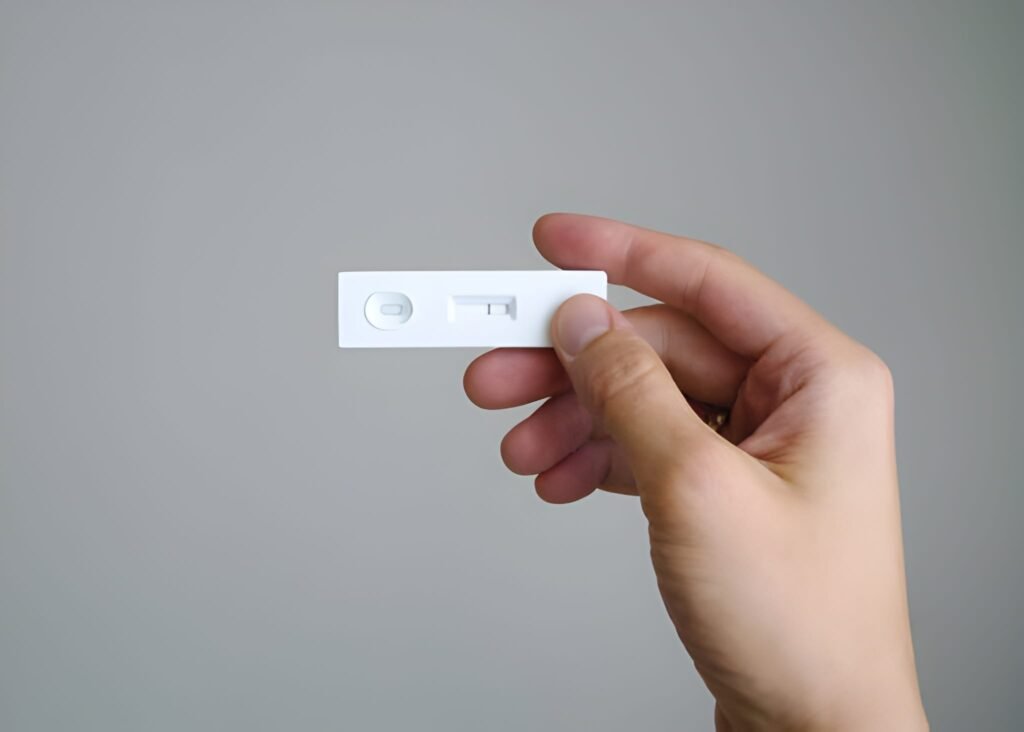
- Format: Low-cost tests often utilize a basic test strip or cassette that requires dipping into a cup of urine, eliminating the expense of a full plastic housing and direct urine stream format.
Clinical Endorsement of Generic Tests
Studies comparing low-cost pregnancy tests (like those sold at dollar stores) with clinic-grade QuickVue tests confirm that they are equally effective at detecting hCG at the standard clinical threshold of 25 mIU/mL. Healthcare clinics and hospitals often use these exact low-cost strip or cassette tests for in-office screening.
Regulatory Standards and 99 Percent Claims
In the United States, all HPTs sold legally are regulated by the Food and Drug Administration (FDA) and must meet stringent quality and performance standards.
The Meaning of 99 Percent Accuracy
When manufacturers claim 99 percent accuracy, this figure often relates to laboratory testing where urine is artificially spiked with a controlled amount of hCG.
- Clinical Benchmark: The 99 percent accuracy claim is generally valid when the test is taken on or after the day of the expected period, regardless of the test's price or brand. By this time, hCG levels are typically high enough (over 50 mIU/mL) to be reliably detected by any FDA-cleared test.
- User Error: The biggest threat to accuracy is not the test's price, but user error—testing too early, failing to follow instructions precisely, or reading the result outside the recommended timeframe.
Sensitivity Differences: Early Detection vs. Value
The key differentiator that justifies the higher cost of premium tests is their sensitivity—their ability to detect lower levels of hCG, allowing for earlier results.
Sensitivity Comparison
| Test Type | Typical Sensitivity (mIU/mL) | Primary Benefit |
|---|---|---|
| Ultra-Low Cost (e.g., Dollar Store) | 25 mIU/mL (Standard) | Highest value; definitive result after missed period. |
| Early Result (Premium) | 10–12 mIU/mL (High Sensitivity) | Can detect pregnancy up to 6 days before missed period. |
| Clinical Urine Test | 20–25 mIU/mL (Standard) | Used by most provider offices for confirmation. |
Minimizing Risk: False Negatives and User Error
Regardless of price, the primary diagnostic challenge remains the false negative, particularly when testing before the expected period.
Interactive Tool: Testing Window Strategizer
Maximize Your Test Accuracy
Enter your DPO to see the recommended testing action for a 25 mIU/mL sensitive test.
Practical Steps for High Accuracy
- Test After Missed Period: The highest accuracy for low-cost tests is achieved 1 to 2 days after the expected period (15–16 DPO).
- Check Expiry Dates: Always verify the expiration date on the package, as ultra-low-cost items may be closer to expiring, which can compromise the test reagents.
- First Morning Urine: Use the first urine of the day, as it contains the highest concentration of hCG. Diluted urine later in the day is the most common cause of a false negative.
Choosing the Right Test Methodology
The decision between a budget test and a premium test often comes down to budget and testing frequency.
When to Choose Low-Cost Tests
Low-cost tests are the most logical choice when:
- Testing frequently (e.g., during fertility treatment cycles or when cycles are irregular).
- Confirmation is needed after the period is already late.
- A single, cost-effective result is needed for preliminary confirmation before seeking a blood test.
The only significant advantage of the expensive test is the ability to potentially detect a pregnancy a few days sooner. However, even the expensive tests are not guaranteed before the missed period. Therefore, ultra-low-cost tests offer a high-value, reliable diagnostic tool for the majority of testing needs.
Pregnancy tests purchased at 99 cent stores or other low-cost retailers are chemically reliable and function identically to their expensive counterparts. By adhering to the crucial timing protocols—waiting until after the missed period and using first morning urine—individuals gain definitive and accurate results without incurring unnecessary financial cost.